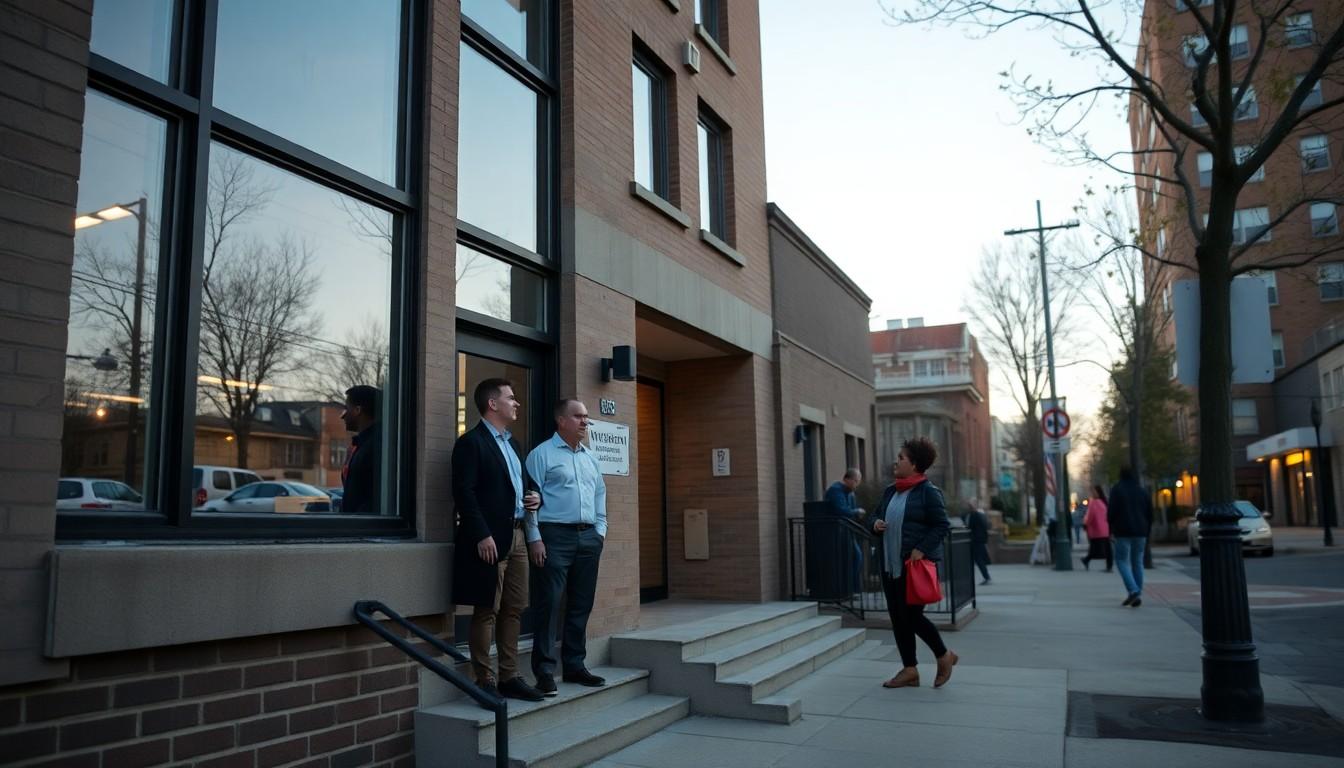
Survivors and researchers are drawing attention to intimate-partner violence in LGBTQ relationships, where outdated stereotypes, limited services and fear of stigma can make getting help especially difficult. The issue matters across the UK and beyond, because abuse can be overlooked even when warning signs are visible.
Essential Takeaways
- Abuse affects LGBTQ couples too: Research shows intimate-partner violence is not limited to heterosexual relationships.
- Stereotypes can delay help: The assumption that men are always perpetrators may leave queer women feeling disbelieved.
- Stigma creates extra barriers: Some survivors fear that reporting abuse could threaten their family support or expose their sexuality.
- Services need better training: Advocates want shelters, police and healthcare workers to understand LGBTQ-specific risks.
- Mental health can suffer: Survivors may experience anxiety, depression, post-traumatic stress and a long recovery after leaving.
The abuse people don't always recognise
A young woman known as Claire was attacked by her former girlfriend in a Los Angeles car park. As she struggled to breathe, bystanders watched but didn't intervene. The experience became a painful turning point, yet it also exposed a wider problem: violence between women is still frequently underestimated. Uncloseted Media reported that Claire felt people didn't view her ex as threatening because she was a woman. [6]
That response reflects a stubborn cultural script in which domestic abuse is imagined as a man hurting a woman. But research into same-sex relationships has found that intimate-partner violence can occur at comparable, and sometimes higher, rates than in heterosexual relationships. Reviews have also identified sexual minority women as a group facing significant exposure to abuse. [3] [4]
For someone living through it, the confusion can be profound. Affection may follow an explosive argument, apologies can blur the memory of what happened, and the survivor may start waiting for the kinder version of their partner to return. That cycle doesn't make the abuse less serious; it often makes leaving more complicated. [6]
Why sexuality can make asking for help harder
Coming out can already bring the fear of rejection. Add domestic abuse to the picture and some survivors feel they're carrying two secrets at once. Claire described worrying that relatives might question or reject her relationship, rather than simply recognise that she needed protection. [6]
That fear isn't just personal. Studies have found that LGBTQ people can face strained family relationships and higher levels of mental-health difficulty than their heterosexual peers. A recent JAMA Network Open study reported significantly higher odds of several commonly diagnosed mental-health conditions among sexual and gender minorities. [2]
This is where the idea of a "double closet" becomes especially powerful. A survivor may hesitate to disclose the violence because they fear outing themselves, reinforcing damaging stereotypes about queer relationships, or losing one of the few sources of support they have. It's an exhausting bind, and silence can give an abuser more room to isolate their partner. [6]
Mental health matters, but it isn't an excuse
One survivor, identified as K.P., described an incident in which her former partner allegedly threatened her with knives. She eventually contacted police through a colleague, but said the response left her frustrated after her ex had left the scene. The account underlines how quickly emotional abuse, intimidation and physical danger can become entangled. [6]
Mental-health conditions may affect a person's behaviour or increase vulnerability in a relationship, but they don't excuse violence. Research has linked anger with intimate-partner violence perpetration, while separate evidence shows that LGBTQ people experience elevated mental-health risks. The distinction matters: support should address mental illness, but responsibility for abuse must remain with the person using it. [2] [5]
Survivors can also experience lasting consequences after leaving, including depression, anxiety, post-traumatic stress and a reduced sense of wellbeing. K.P. said it took months before she felt able to breathe normally again. That slow recovery is a reminder that ending the relationship is often the beginning of the healing process, not the end. [2] [7]
Where support services fall short
Reporting abuse should open a door to practical help, not leave someone holding a leaflet and wondering what happens next. Researchers and advocates say police should offer clear referrals, explain available options and understand that same-sex relationships fall under domestic-abuse protections too. [6]
Shelters can face particular challenges, especially in rural areas where there may be only one local refuge. Survivors may worry about being recognised, outed or placed in the same service as a former partner. Those concerns can be enough to stop someone seeking help altogether. [6]
The evidence base is still incomplete, which makes targeted services harder to design. Research on LGBTQ health and relationships has highlighted elevated mental-health risks and the need for more nuanced, inclusive responses, but policy and frontline practice haven't always kept pace. [2] [4]
Training could change the first response
Inclusive posters are useful, but they can't carry the entire burden. Shelter workers, healthcare professionals, campus staff and police need practical training on coercive control, same-sex abuse, confidentiality and the ways stigma can affect disclosure. Survivors should be asked what they need, rather than expected to fit a service designed around a heterosexual model. [6]
There are signs of progress where LGBTQ-awareness training has been introduced, yet coverage remains uneven. Better training could help officers recognise a domestic-abuse incident when both people are women, avoid assumptions about who is vulnerable, and connect survivors with specialist support. [6]
The most important intervention may also be the simplest. If someone sees violence in public, checking in safely, calling emergency services or alerting security can matter. No one should have to fight for recognition while strangers look away.
It's a small change in awareness, but it can make support easier to reach when it matters most.
Source Reference Map
Story idea inspired by: [1]
Sources by paragraph: