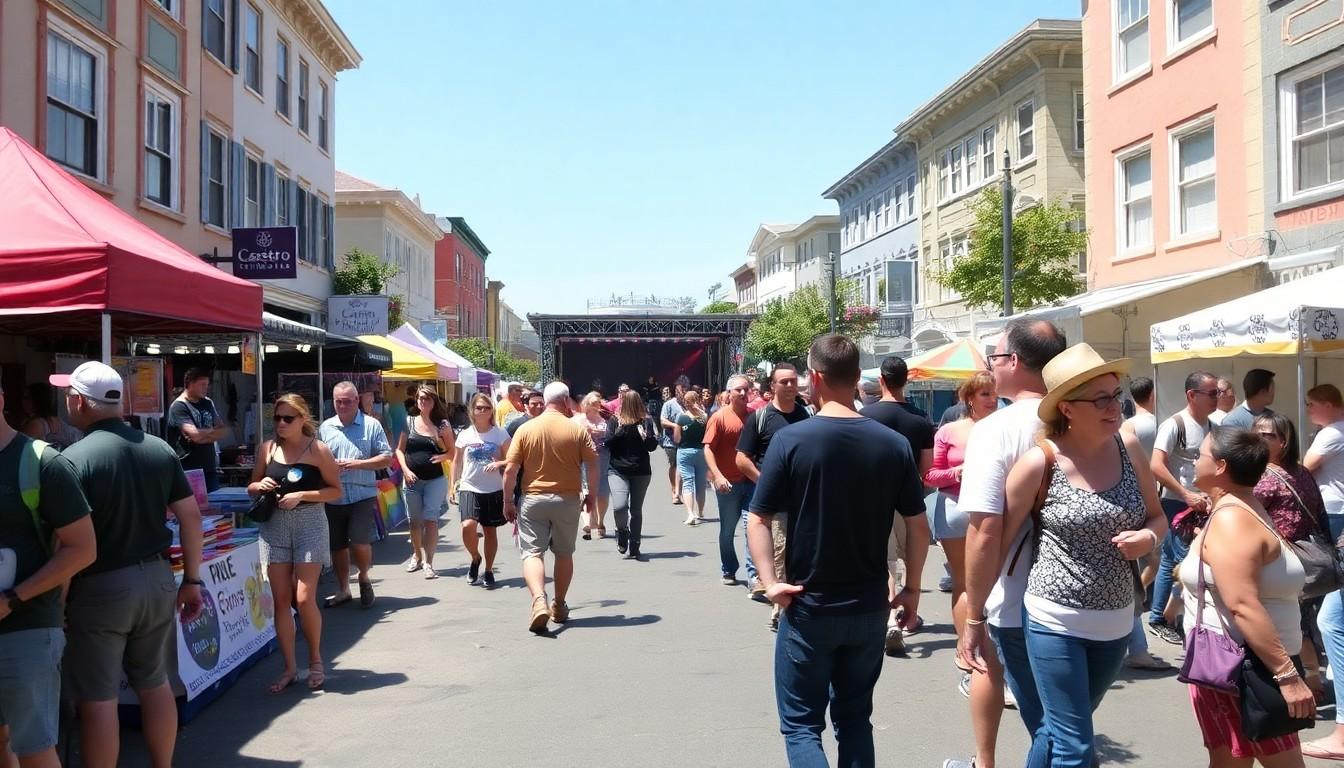
Visitors are gathering in San Francisco’s Castro district for the 52nd Castro Street Fair, a lively celebration of LGBTQIA+ community, local businesses, artists and chosen family. This year’s theme, “Where We Belong”, gives the event a warm focus, while live entertainment, street dancing and fundraising keep its long-running community spirit firmly in view.
Essential Takeaways
- A landmark celebration: The fair has been running since 1974, when Harvey Milk helped establish it.
- This year’s message: “Where We Belong” centres community, visibility, inclusion and hope.
- Local energy: Expect vendors, performers, artisans, community groups and Castro businesses.
- A charitable tradition: The fair has distributed more than $1.6 million to local non-profit beneficiaries since 1998.
- Come ready to explore: Comfortable shoes, an open schedule and a little spending money will make the day easier and more enjoyable.
The Castro Street Fair is built around belonging
The strongest thing about the Castro Street Fair isn't simply its size or its colourful programme. It's the feeling of arriving somewhere that has made room for you. With music in the air, people moving between stalls and dancing spilling into the street, the atmosphere is designed to feel both celebratory and welcoming.
The 2026 theme, “Where We Belong”, reflects the Castro's importance to generations of LGBTQIA+ people. The official announcement presents belonging as something actively created together, with space for trans people, drag performers, allies, chosen families and anyone arriving in search of connection. (According to the Castro Street Fair's 2026 announcement.)
That makes the theme more than a slogan. It gives the day a clear emotional centre, particularly at a time when visibility and community still matter deeply.
From Harvey Milk's fair to a San Francisco institution
The event began in 1974, when Harvey Milk helped found the Castro Street Fair. What started as a community gathering has become one of the neighbourhood's defining annual occasions, bringing together residents, visitors, performers, organisations and independent traders.
Historical accounts of the fair underline how closely it is tied to the Castro's wider story. It has offered a platform for local groups and businesses while helping turn the street into a place where political expression, celebration and everyday social life can meet. (The San Francisco Gay History archive traces that development.)
That history gives the 52nd edition extra weight. It isn't merely another city street festival, but a living continuation of a tradition shaped by activism, creativity and mutual support.
Expect music, makers and plenty of street-level colour
For visitors, the appeal is refreshingly straightforward. There'll be live entertainment, local vendors, artists, community organisations and plenty of opportunities to dance, browse and bump into someone you haven't seen for ages.
The fair also highlights the merchants and small businesses that give the Castro its character throughout the year. That means the best approach isn't to rush from one stage to the next. Leave time to look around, discover independent stalls and spend with neighbourhood businesses where you can. (The event's official information emphasises local participation and community organisations.)
A comfortable pair of shoes is a sensible starting point. Add a phone charger, water and a flexible attitude, because the most memorable moments at an event like this are often the unplanned ones between the headline activities.
Why the fundraising matters
The fair's community role extends beyond one energetic day. Since 1998, it has distributed more than $1.6 million to local non-profit beneficiaries, supporting organisations that serve and strengthen the wider community.
Visitors are encouraged to donate at the entry gates. Even a small contribution helps maintain the fair's charitable tradition, while also recognising the volunteer effort, community partnerships and practical work needed to stage a large public event. (The Castro Street Fair's published materials outline its fundraising record and donation arrangements.)
That detail is easy to overlook when the music starts, but it's one of the fair's most meaningful features. The celebration has a giving mechanism built into it, so enjoying the day can also help support work happening across San Francisco.
A welcoming outlook for the 52nd edition
The fair's organisers are inviting people to reconnect, meet someone new and enjoy being together. It's a simple promise, but one that suits the event's history: a good street fair should feel lively without becoming impersonal.
The 2026 artwork and promotional material continue to frame the occasion around visibility, joy and community identity. Meanwhile, the event's long-running format keeps one foot in tradition and the other in the present, which is probably why it continues to feel relevant rather than purely nostalgic. (The official 2026 key-art release supports that visual and thematic direction.)
For newcomers, the easiest way in is to arrive curious. For regulars, there'll be familiar faces, favourite businesses and the pleasant reassurance that the Castro is still making room for joy.
It's a colourful day out with a serious community heart, so explore the fair, support local and make space for belonging.
Source Reference Map
Story idea inspired by: [1]
Sources by paragraph: