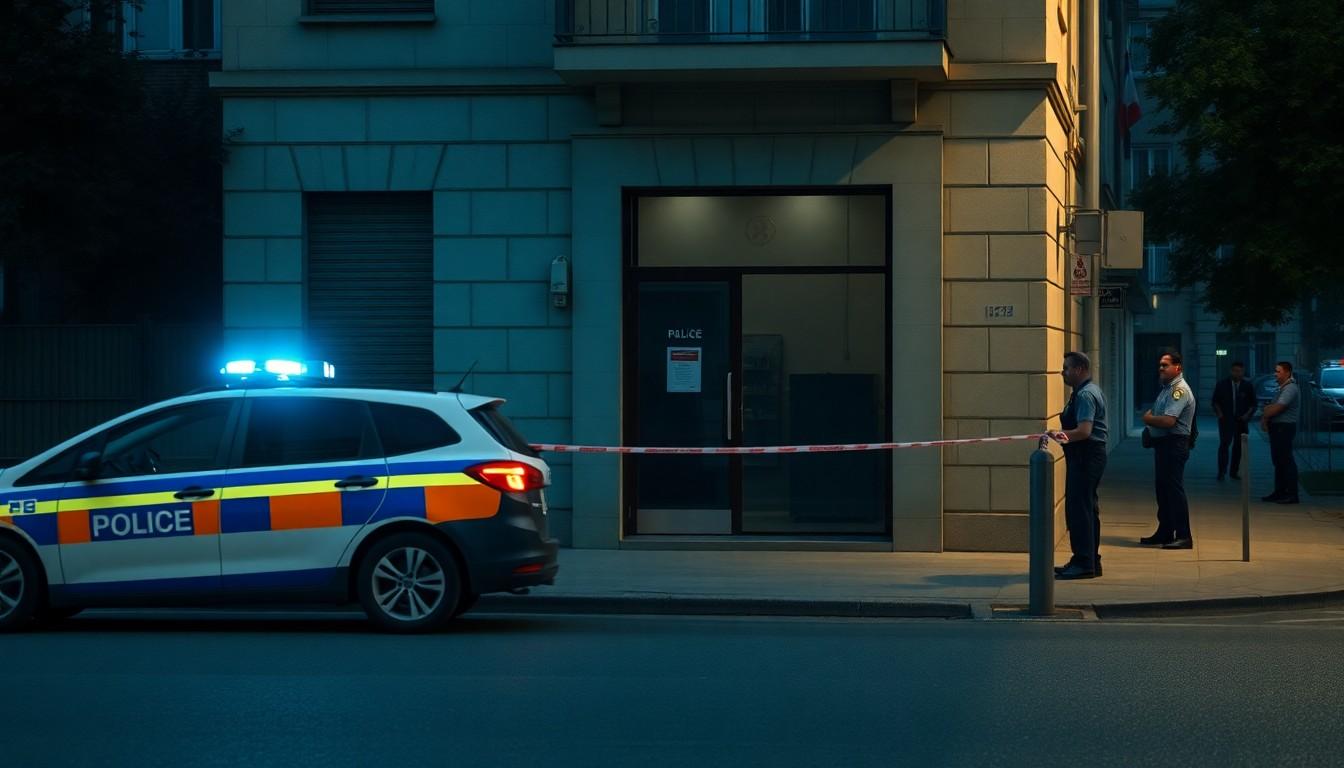
Turkish police have detained dozens of people in raids on LGBTQ+ venues and activists' homes across 12 provinces, according to reports. The operation, presented by officials as a campaign to protect family values, has prompted accusations of state-led discrimination and renewed fears about the shrinking space for LGBT rights in Turkey.
Essential Takeaways
- Dozens detained: Turkish authorities reportedly detained 47 people in weekend raids.
- Nationwide operation: Police action took place across 12 provinces, including Istanbul and Ankara.
- Activists targeted: Kaos GL, one of Turkey's best-known LGBTQ+ organisations, was among the reported targets.
- Disputed numbers: The organisation says about 50 activists were detained, including people taken from their homes.
- Online restrictions: Authorities reportedly blocked websites and social media accounts connected to LGBTQ+ groups.
Raids stretch across Turkey
The operation reached far beyond a single nightlife district. Reports describe police searches at gay bars, private homes and locations linked to LGBTQ+ activists, with 47 people detained according to Turkish authorities and several international outlets.
The scale has unsettled rights groups because the action appears to combine criminal investigations with pressure on civil society. UPI and other reports said the raids were conducted in 12 provinces, giving the campaign a distinctly national feel rather than the character of an isolated police operation.
Officials frame action as a defence of family values
The raids were linked to a government campaign called "My Family Is Safe", which authorities say is intended to defend traditional family values. That language has become increasingly prominent in Turkey's political debate, particularly as officials discuss birth rates, social change and the role of the family.
Critics see a very different picture. The Turkish Human Rights Association said the campaign was being used to intimidate LGBTQ+ people and weaken independent organisations, according to coverage by The Debate and Bozok Media. It described the operation as fear-driven discrimination rather than a neutral public-safety initiative.
Kaos GL says the crackdown goes further
Kaos GL was reportedly one of the central targets. Istanbul prosecutors said 26 people were detained and that police seized drugs, digital devices, smuggled alcohol and a firearm during the operation. A separate investigation in Ankara was said to have led to another 21 detentions.
The organisation disputes the official account, saying roughly 50 activists were taken, including more than 10 from their homes. LGBTQ Nation reported that authorities also moved against online material, with websites and social media accounts associated with LGBTQ+ groups allegedly blocked.
That disagreement matters. When official figures and an affected organisation's account diverge so sharply, the question isn't simply how many people were arrested, but how the operation is being defined and communicated.
Why the online element matters
Kaos GL has reportedly faced accusations of "indecency" over online posts that authorities say were accessible to children. Such claims can have a chilling effect well beyond the people directly detained, particularly when they are paired with website blocks and social media restrictions.
For activists, digital platforms are essential for legal information, community support and public advocacy. Cutting off those channels can make it harder to document arrests, organise assistance or challenge official narratives. RocketNews and RigaTV both highlighted the wider implications of the raids for LGBTQ+ groups operating in Turkey.
A difficult climate for LGBT rights
Same-sex marriage isn't recognised in Turkey, and President Recep Tayyip Erdogan has repeatedly used hostile language about LGBTQ+ people. He has also linked LGBT communities to concerns over falling birth rates, rhetoric that rights advocates say turns a minority group into a convenient political target.
The latest raids are therefore being watched as part of a broader pattern rather than a standalone law-enforcement story. For people who work in Turkey's LGBTQ+ movement, the fear is that venues, homes, websites and community groups are all becoming vulnerable at once.
The coming legal proceedings should show whether the detentions lead to formal charges and how broadly the authorities interpret accusations of indecency. Until then, the raids have already sent a stark message to activists and venues across the country.
It's a troubling reminder that political language can quickly become pressure on real people and places.
Source Reference Map
Story idea inspired by: [1]
Sources by paragraph: