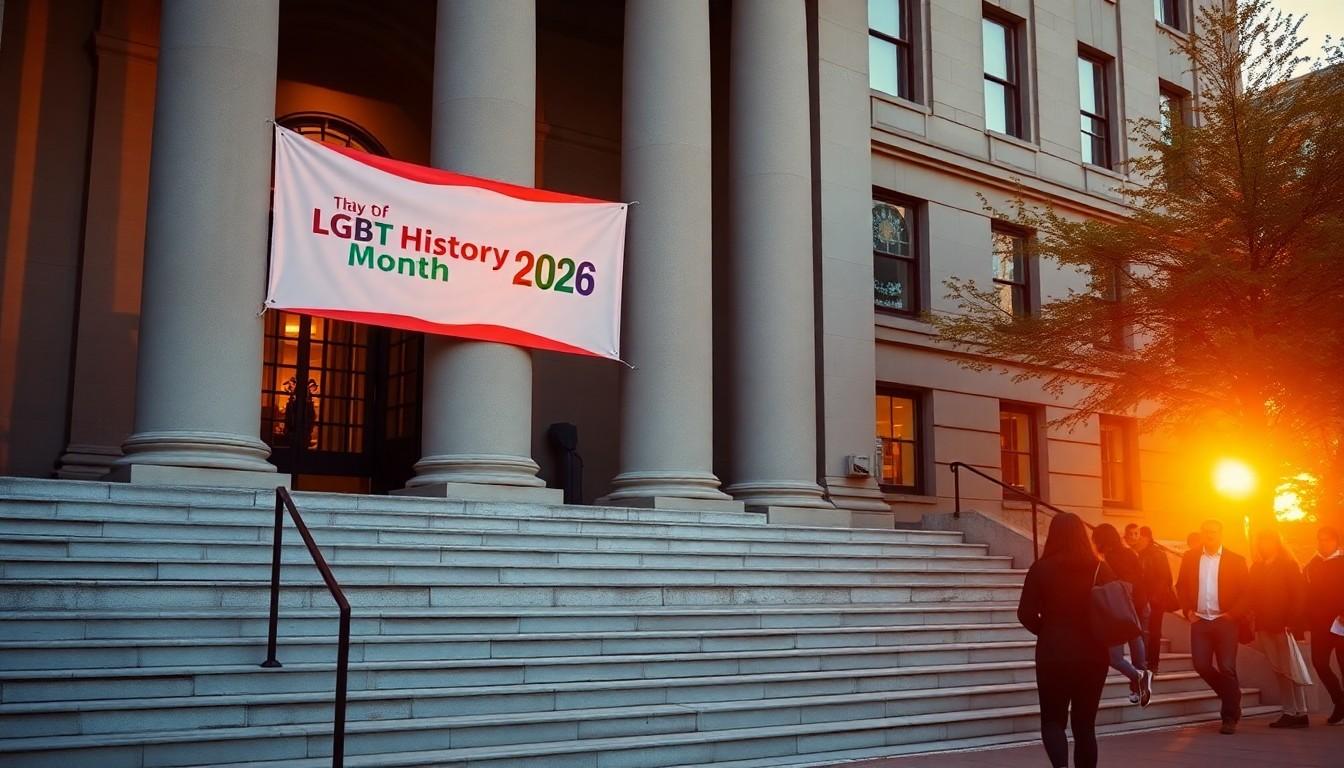
Philadelphia is set to open LGBT History Month 2026 with a high-profile reception honouring Dr Anthony Fauci, whose HIV/AIDS work remains closely tied to LGBTQ history. The event also celebrates transgender political progress, while October's 31-day programme brings a fresh figure, story and set of learning resources to audiences each day.
Essential Takeaways
- Launch date: Equality Forum's reception takes place on 27 September in Philadelphia.
- Featured honour: Dr Anthony Fauci will receive the International Role Model Award.
- Pennsylvania first: Downingtown Mayor Erica Deuso will receive the Frank Kameny Award.
- Daily format: LGBT History Month spotlights one Icon on each day of October.
- Wide-ranging roster: The 2026 list spans politics, fashion, arts, activism, literature and public health.
Philadelphia puts public health and LGBTQ history in the spotlight
Philadelphia's autumn calendar is gaining a particularly meaningful opening event. Equality Forum will host its 2026 LGBT History Month VIP Reception at the Independence Visitor Center on Sunday, 27 September, giving the annual celebration an early, high-profile start.
Dr Anthony Fauci is due to receive the International Role Model Award, with the recognition focusing especially on his work during the HIV/AIDS crisis. For many LGBTQ communities, that period remains a deeply personal chapter of grief, activism and hard-won progress. Equality Forum's event information confirms the reception's timing and location.
Fauci's public-health career also includes work connected with COVID-19, Ebola and Zika. But it is his long involvement in HIV/AIDS that gives this particular honour its strongest historical resonance, according to coverage from the Washington Blade.
Why Fauci's HIV/AIDS work still matters
The early HIV/AIDS epidemic hit gay communities with devastating force, while misinformation and stigma often travelled faster than reliable medical guidance. In that climate, public-health leadership mattered not only in laboratories and hospitals but also in the wider fight for dignity, visibility and effective care.
Fauci became one of the most recognisable American medical figures associated with the federal response. His recognition by Equality Forum therefore connects a major public-health career with the LGBTQ activists and communities who pushed institutions to respond more urgently and compassionately.
That link is important because history can become too neat when it is reduced to names and dates. Behind every milestone were frightened families, exhausted campaigners and people demanding to be heard. The reception offers a chance to remember that human story alongside the official record, as Pennsylvania Culture Press reported.
A second award celebrates transgender political progress
The Philadelphia gathering will also honour Downingtown Mayor Erica Deuso with the Frank Kameny Award. Deuso made Pennsylvania political history in November 2025 after becoming the first openly transgender person elected mayor in the Commonwealth.
That achievement gives the event a present-day edge. LGBT History Month isn't only about looking backwards; it also recognises the people changing public life now, sometimes in places where representation once seemed almost unthinkable.
A mayoral election may sound local, but its symbolism travels well beyond one borough. For transgender voters and candidates, seeing an openly trans official take office can make public service feel more visible, practical and possible. The announcement was also highlighted in regional coverage of the Equality Forum launch.
October's 31 Icons turn history into a daily habit
The main programme begins on 1 October and runs throughout the month, with one LGBT Icon presented each day. Rather than dropping a single large archive online, the format creates a small daily invitation to explore someone new.
Each profile is supported by educational material, including a biography, video, bibliography, downloadable images and further resources. The official LGBT History Month website describes the project as a way to make LGBTQ history more accessible, particularly when it may be overlooked by traditional education and cultural institutions.
That daily rhythm is smart. A month-long series can feel more approachable than one enormous list, and it gives teachers, families and curious readers a natural reason to return. One day might bring a fashion pioneer, the next a writer, activist, architect or public official.
The 2026 roster crosses centuries and industries
The 2026 selection is deliberately broad. It includes figures such as Calvin Klein, Barry Diller, Chris Pappas, St Vincent, Edmund White and Abraham Lincoln, alongside artists, activists, designers, diplomats and historical figures from earlier centuries.
Other names include Giorgio Armani, Edward Enninful, Amber Ruffin, Alok Vaid-Menon, Jessica Stern and Jewel Thais-Williams. The range makes the project feel less like a narrow roll call and more like a map of how LGBTQ lives and influence have appeared across public culture.
For readers choosing where to begin, the best approach is simple: follow your curiosity. Pick a familiar name, then try one you've never encountered. That is where projects like this can be most rewarding, because a quick daily read may lead to a book, film, archive or local story worth keeping.
Philadelphia's launch takes place from 1pm to 2pm on 27 September at the Liberty View Terrace of the Independence Visitor Center. LGBT History Month then officially begins on 1 October, when the first of the 31 Icons takes the spotlight.
It's a small daily commitment, but it can open a much bigger window onto LGBTQ history.
Source Reference Map
Story idea inspired by: [1]
Sources by paragraph:
- Paragraph 1: [2], [3]
- Paragraph 2: [5], [6]
- Paragraph 3: [3], [5]
- Paragraph 4: [4], [6]
- Paragraph 5: [2], [3]
- Paragraph 6: [5], [6]
- Paragraph 7: [4], [3]
- Paragraph 8: [2], [4]
- Paragraph 9: [3], [5]
- Paragraph 10: [4], [6]
- Paragraph 11: [4], [5]
- Paragraph 12: [2], [3]
- Paragraph 13: [4], [6]
- Paragraph 14: [2], [5]