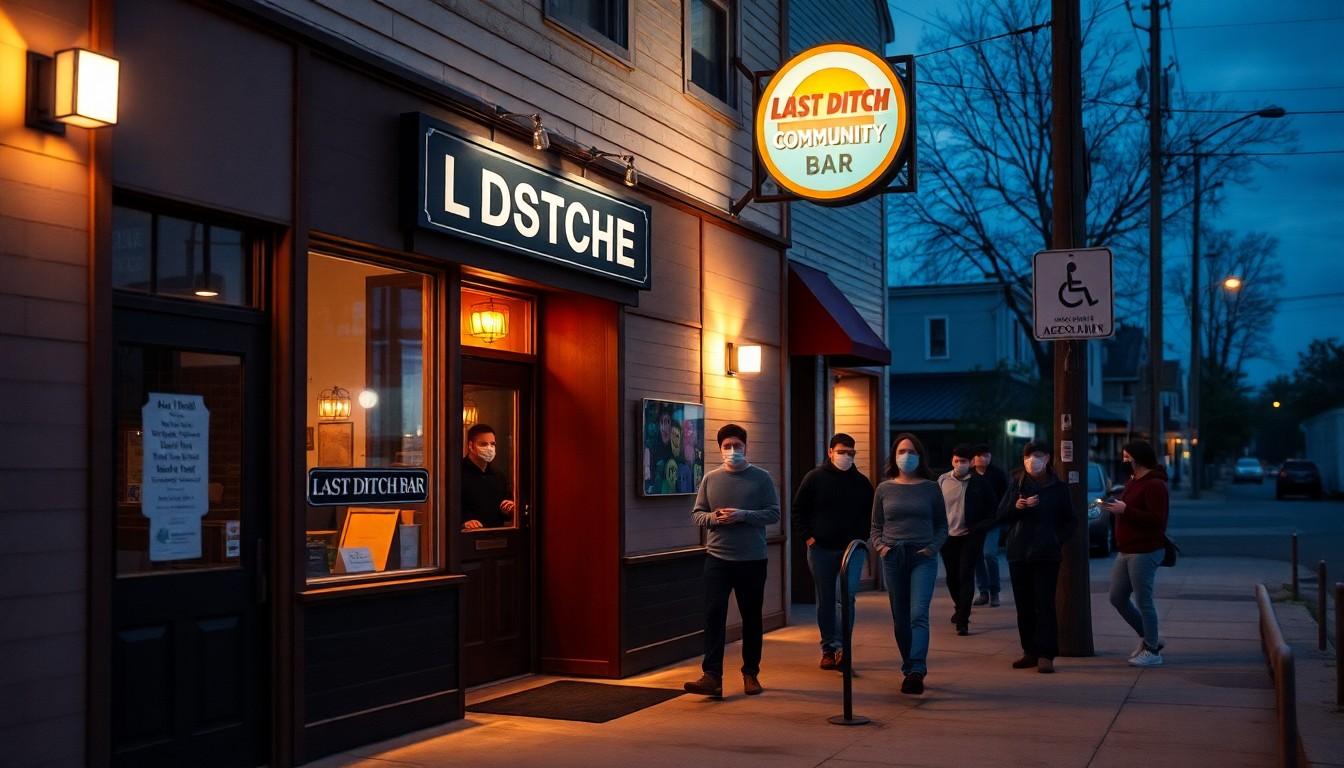
Visitors to a lesbian bar in Greenfield, Massachusetts, are debating whether a small door-policy change can balance financial survival with protection for immunocompromised guests. The Last Ditch’s move to make masks optional on Saturday nights has reopened a painful LGBTQ+ community argument about access, safety and who gets to feel welcome in a shared space.
Essential Takeaways
- Policy change: Last Ditch made masks optional on Saturday nights, after previously requiring KN95 masks.
- Community response: The decision triggered fierce criticism from disabled and immunocompromised queer visitors.
- Financial pressure: Reports say the venue is carrying significant debt while trying to remain open.
- Accessibility matters: An attempted apology drew further criticism because the accompanying post reportedly wasn't fully accessible.
- Bigger question: The dispute reflects a continuing tension between public-health precautions and the need for queer social spaces.
A small policy change, a very large reaction
The announcement was brief, but its impact was anything but. Last Ditch Bar and Arts Venue said Saturday nights would become mask optional, prompting an immediate and emotional response from people who rely on stronger precautions to participate in public life.
The Boston Globe reported that the Greenfield venue had previously operated with a strict masking requirement. For many disabled and immunocompromised customers, that rule wasn't a minor inconvenience. It was part of what made a night out feel possible in the first place.
That helps explain why the change landed so heavily. A bar policy can look administrative from behind the till, yet feel intensely personal to someone weighing the risk of entering a crowded room.
Why Last Ditch has become a flashpoint
Last Ditch was founded by three friends and housemates, but according to The Boston Globe, only current owner Jackie Matellian remains involved. The venue is also understood to be under serious financial strain, making Saturday-night trading especially important.
That context doesn't erase the health concerns, but it does show why the decision wasn't made in a vacuum. Small queer venues often operate on narrow margins, and a policy designed to protect one group can affect attendance, atmosphere and takings across the week.
LGBTQ+ Nation also highlighted the bar's financial difficulties while covering the backlash. The uncomfortable truth is that communities need both accessible social spaces and sustainable venues, and neither need is easily dismissed.
Disabled queer customers say access is part of the deal
The strongest criticism came from visitors who felt that relaxing the requirement effectively removed their safest regular evening. Some commenters described the move as abandoning immunocompromised people for the sake of convenience and extra revenue.
The response also included language that crossed from protest into threats, according to coverage from TMZ and other outlets. That's a crucial distinction: anger over access and safety is legitimate, but threats against a struggling community venue aren't a constructive route to change.
For disabled queer people, this isn't simply about whether masks are fashionable or irritating. It's about whether they can see friends, attend events and take part in nightlife without accepting a level of risk that other customers may not have to consider.
The apology created a second problem
Last Ditch apologised shortly after the original announcement, but the attempt did little to calm the dispute. Coverage from News USA Today and the Urania Institute noted that critics were also unhappy with the accessibility of the apology itself.
That detail matters. If a venue wants to communicate with disabled customers, the format is part of the message. Clear text, image descriptions, readable contrast and captions aren't decorative extras; they're basic tools for making a public statement usable.
The episode is a reminder that accessibility can fail in several ways at once. A policy may exclude people physically, while an online explanation excludes them digitally. Neither is likely to build trust.
Can queer venues find a workable middle ground?
There may be options between a universal requirement and an entirely optional approach. Venues could consider designated masked nights, improved ventilation, capacity limits, outdoor programming or clearly separated areas, although each solution comes with costs and practical limits.
Customers, meanwhile, can ask precise questions before attending: Is the venue crowded? How well is it ventilated? Are masks available? Is there a quieter or less busy session? Those answers won't solve the wider disagreement, but they can help people make informed choices.
The Last Ditch controversy shows how much queer nightlife still matters, especially when many spaces have disappeared or become unaffordable. It also shows that welcome has to include people who need additional protection. Keeping a venue open is vital, but so is making sure the people most at risk aren't quietly priced out of belonging.
A sustainable future will probably require more honest conversation, better accessibility and practical compromises rather than all-or-nothing arguments.
It's a painful debate, but the goal should be a queer space where safety and survival aren't treated as opposites.
Source Reference Map
Story idea inspired by: [1]
Sources by paragraph:
- Paragraph 1: [2], [3]
- Paragraph 2: [2], [4]
- Paragraph 3: [2], [3]
- Paragraph 4: [2], [5]
- Paragraph 5: [3], [6]
- Paragraph 6: [4], [7]
- Paragraph 7: [5], [6]
- Paragraph 8: [2], [3]
- Paragraph 9: [5], [6]
- Paragraph 10: [2], [4]
- Paragraph 11: [3], [7]
- Paragraph 12: [2], [5]
- Paragraph 13: [3], [6]
- Paragraph 14: [2], [3]