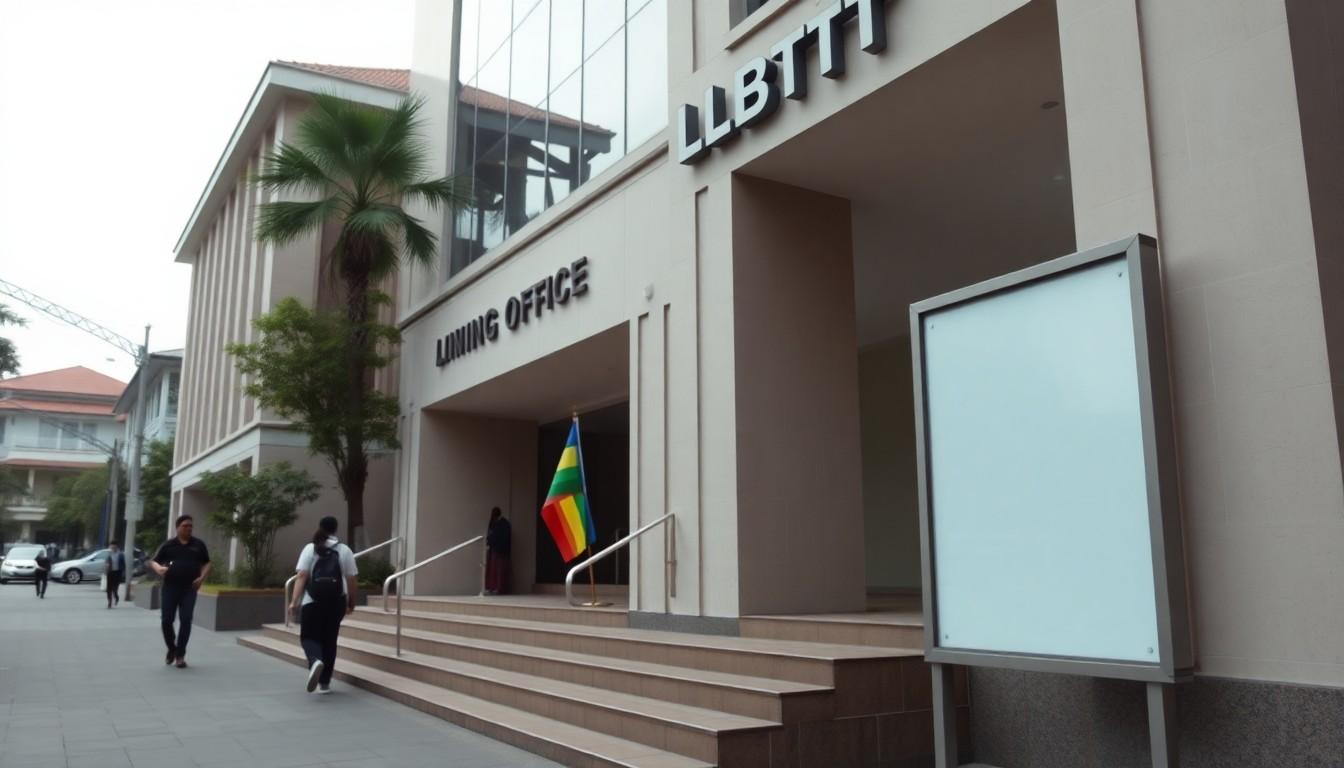
Indonesia has placed the spread of LGBTQ+ culture among its declared non-military threats, alongside terrorism and separatism. The move has drawn fresh international attention after proposed legislation sought to criminalise LGBTQ+ advocacy, raising urgent questions about discrimination, free expression and safety for queer people in one of Australia’s closest neighbours.
Essential Takeaways
- A formal defence policy: Presidential Regulation No. 111 of 2025 includes the spread of LGBTQ+ culture in its analysis of non-military threats.
- No clear anti-discrimination protection: LGBTQ+ people in Indonesia currently lack comprehensive legal safeguards based on sexual orientation or gender identity.
- Fresh scrutiny followed Pride Month: The policy attracted wider attention after backlash over university posts supporting evidence-based information about homosexuality.
- Rights groups are alarmed: Amnesty International Indonesia says the classification could encourage harassment, censorship and violence.
- The wording matters: Placing LGBTQ+ culture beside terrorism and radicalism risks turning prejudice into an issue of national security.
A striking shift in Indonesia's security language
The most unsettling detail is the company LGBTQ+ culture now keeps in the policy document. Indonesia's defence framework groups its alleged spread with non-military threats such as terrorism, separatism and radicalism, according to the regulation reviewed by the US Library of Congress. That doesn't create a new criminal offence by itself, but it gives hostile rhetoric a far more official tone.
For queer Indonesians, the wording is more than bureaucratic language. It can make everyday expression, education and community organising appear suspicious, while giving officials and influential groups a framework for treating LGBTQ+ visibility as a public danger. The legal text is dry, but its potential effect is anything but. (US Library of Congress; Peraturan.info)
The regulation was signed by President Prabowo Subianto in 2025 and sets out general national defence policy. Indonesian reporting says the document covers threats that aren't military in the conventional sense, including social and ideological challenges. That's a broad category, and one that can have a long shadow when applied to a minority group. (FIN.co.id; Suara.com)
Why is the policy only making headlines now?
The regulation wasn't brand new when international observers began paying attention. Its profile rose after the Indonesian Ulema Council proposed a parliamentary bill aimed at criminalising the promotion of LGBTQ+ culture and rights, following a backlash linked to Pride Month in June 2026. (Amnesty International Indonesia; Hukumonline)
The controversy also centred on a post from the student executive board at the University of Indonesia's Faculty of Psychology. The post stated that homosexuality isn't a mental disorder or a form of deviance, reflecting the established position of major psychological authorities. It was later removed, according to reports, prompting concern about pressure on academic and public speech. (Amnesty International Indonesia; Suara.com)
That sequence is why the issue has travelled beyond Indonesian defence policy. A classification tucked inside a government regulation became part of a wider debate about who gets to speak, which facts can be shared and whether LGBTQ+ people can participate openly in public life without inviting retaliation.
Rights groups warn of a chilling effect
Amnesty International Indonesia has condemned the policy, arguing that it institutionalises discrimination against an already marginalised community. Executive director Usman Hamid said placing LGBTQI+ culture alongside terrorism and radicalism could expose people to greater threats from both state and non-state actors. (Amnesty International Indonesia)
The organisation has also raised concerns about intimidation and doxing involving student journalists who published Pride-related material. Those incidents matter because censorship rarely arrives as a single dramatic ban. More often, it begins with a removed post, a warning, an online pile-on or the fear that speaking plainly could put someone at risk.
Amnesty has called for the regulation to be repealed and for authorities to protect LGBTQI+ people from hate speech, threats and violence. Its position is that sharing scientifically supported information is an exercise of free expression, not a security threat. (Amnesty International Indonesia)
What does the classification actually mean?
The policy is significant, but it needs to be read carefully. A designation in a national defence framework doesn't automatically mean that every LGBTQ+ person, organisation or public statement has become illegal. The regulation sets out a policy approach and threat analysis rather than, on its face, creating a complete criminal code for queer identity. (US Library of Congress; Peraturan.info)
The practical concern is how the language might be used alongside future laws, political statements or local enforcement. Reports that lawmakers have backed the classification, and that a bill could target the promotion of LGBTQ+ rights, suggest the story may not end with one regulation. (Hukumonline; FIN.co.id)
For readers trying to understand the difference, the key question is whether the government is merely describing a perceived social issue or directing agencies to act against it. The answer lies in the regulation's implementation, subsequent legislation and the treatment of people who challenge the policy. In other words, the wording is the warning light, while enforcement will show how far the vehicle travels.
Why this matters beyond Indonesia
Indonesia is only around 165 kilometres from Australia's northern border, making developments there especially relevant to regional human rights and diplomacy. It also highlights a broader global pattern in which LGBTQ+ people are framed as cultural or ideological threats rather than citizens seeking equal treatment.
For visitors, advocates and families with connections to Indonesia, the sensible response is to follow local guidance, avoid assuming that protections familiar at home apply there and take online privacy seriously. Organisations operating in the country should also review safeguarding, communications and emergency-support plans, particularly when discussing LGBTQ+ issues publicly.
The next test will be whether Indonesian authorities protect academic debate and queer citizens, or allow a defence label to become a platform for censorship. Human rights language may sound familiar, but for people facing harassment, it can be the difference between speaking freely and staying silent.
The classification is a small line in a policy document with potentially enormous consequences.
Source Reference Map
Story idea inspired by: [1]
Sources by paragraph:
- Paragraph 1: [2], [5]
- Paragraph 2: [3], [7]
- Paragraph 3: [4], [5]
- Paragraph 4: [3], [6]
- Paragraph 5: [3], [7]
- Paragraph 6: [3], [7]
- Paragraph 7: [3], [6]
- Paragraph 8: [3], [7]
- Paragraph 9: [2], [5]
- Paragraph 10: [6], [4]
- Paragraph 11: [2], [5]
- Paragraph 12: [3], [6]
- Paragraph 13: [2], [5]
- Paragraph 14: [4], [7]
- Paragraph 15: [2], [5]
- Paragraph 16: [6], [4]
- Paragraph 17: [2], [3]
- Paragraph 18: [3], [7]
- Paragraph 19: [3], [6]