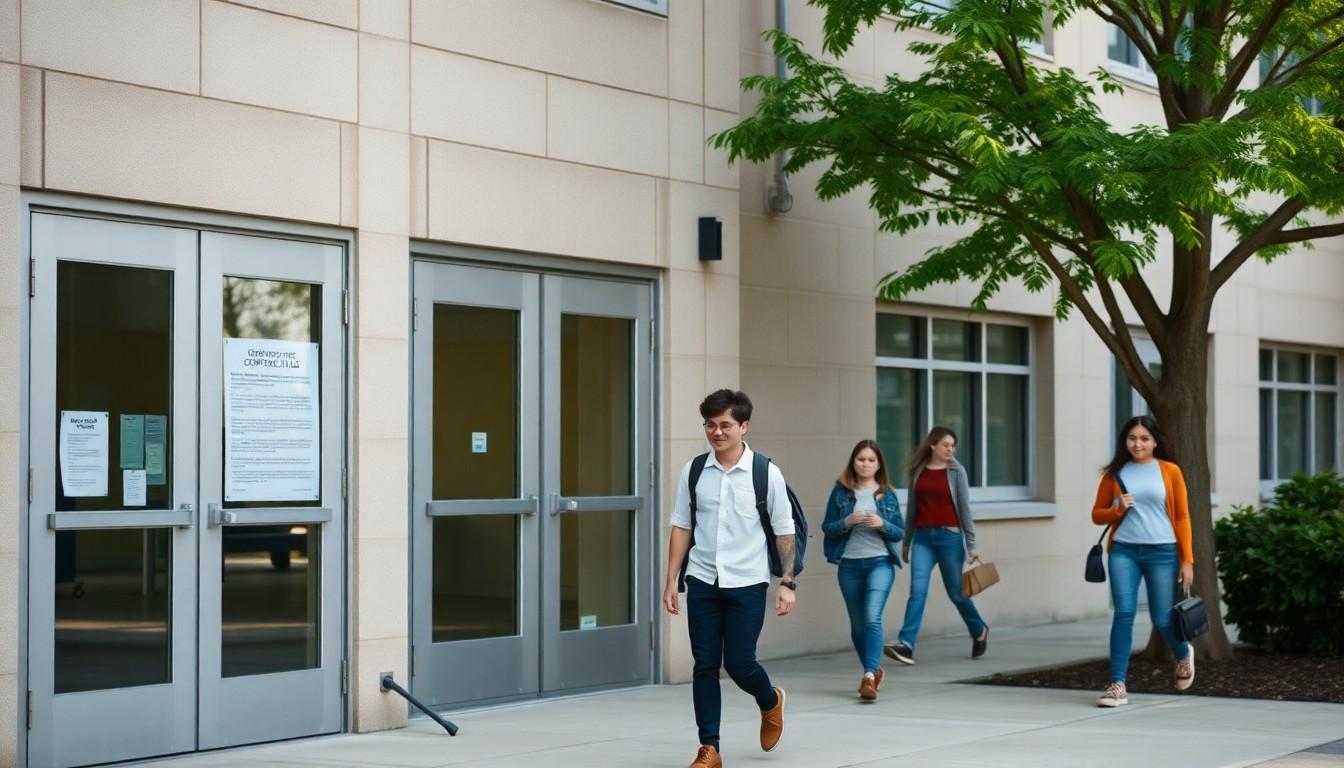
Students searching for LGBT support and educational resources can still face digital barriers in public schools, where filtering systems are meant to block harmful material but may also suppress legitimate information. The ACLU's Don't Filter Me campaign highlighted how unequal access can affect student rights, wellbeing and trust in school technology.
Essential Takeaways
- Filtering can be uneven: Some school systems have blocked supportive LGBT resources while leaving opposing or conversion-focused websites available.
- The issue involves rights: The ACLU says selective blocking may raise First Amendment and Equal Access Act concerns.
- Students helped expose the problem: Reports, screenshots and complaints played a central role in identifying discriminatory filters.
- Schools face competing duties: Online safety laws require filtering, but those tools shouldn't silence lawful educational content.
- Support matters: Access to reliable information can be especially important for isolated or questioning young people.
When a safety filter blocks support
A school web filter should keep students away from pornography, malware and genuinely dangerous material. The trouble starts when it also blocks a quiet, reputable page about LGBT scholarships, history or mental health support. For a teenager looking for answers, that blank screen can feel less like protection and more like a closed door.
The ACLU's Don't Filter Me initiative grew from reports that schools were blocking positive LGBT websites even when anti-LGBT material remained accessible. According to the ACLU, the campaign encouraged students to test school networks and report patterns of unequal access rather than treating every blocked page as an isolated technical glitch.
Why the ACLU says selective blocking is unlawful
The legal argument isn't that schools must allow everything online. It is that filtering should be applied consistently. If a network permits one viewpoint about sexual orientation while blocking a competing viewpoint that offers support or equality information, the distinction may look political rather than protective.
The ACLU has connected the issue with students' free-speech rights and, in some circumstances, the Equal Access Act. That matters beyond LGBT content, because a school technology policy that quietly favours one side of a debate can shape what pupils are able to learn, discuss and share.
The organisation has also pursued litigation in cases involving alleged censorship by school districts. Its Missouri action, for example, shows that disputes over online access can move from complaint forms and policy reviews into court when schools fail to address concerns.
Don't Filter Me turned students into digital watchdogs
The campaign's most practical idea was simple: ask students to check whether legitimate LGBT resources were reachable on school computers and document what happened. A screenshot, the web address and details of the device or network could help distinguish a genuine safety block from a category error or a discriminatory setting.
That approach gave young people a meaningful role in scrutinising the systems used around them. It also offered schools something useful: evidence. Filter labels can be broad, inconsistent or outdated, so real-world testing may reveal problems that an administrator won't see from a dashboard.
The ACLU's interim and final reports described the initiative's progress and the concerns raised with filtering providers and schools. The wider lesson is that technology needs oversight from the people affected by it, not just confidence in the software's default settings.
What schools should check before changing access
The first question is whether the blocked page is genuinely unsafe. A school should review the specific site, its content and the filter category, rather than assuming that any page containing words such as "gay" or "LGBT" is inappropriate. Educational material about identity, health, history and anti-bullying support doesn't become explicit simply because it discusses sexuality.
Schools should also compare access across viewpoints. If an equality organisation is blocked but a site promoting so-called change therapies is available, that imbalance deserves an urgent review. The ACLU's guidance has repeatedly focused on this side-by-side comparison because it can expose how supposedly neutral systems operate in practice.
Staff should record decisions, explain them clearly and provide a route for students to challenge mistakes. Sensible filtering is a service, not a mystery box. When the rules are transparent, pupils and families are more likely to trust the technology.
Why this still matters in 2026
Internet filtering remains part of the complicated bargain between child safety and open access. Schools must meet legal and safeguarding obligations, but a cautious setting shouldn't become a shortcut for excluding uncomfortable subjects or marginalised voices.
The question is particularly pressing for students who may not have supportive adults, inclusive local groups or trustworthy information at home. A school network can be one of the few places where they find accurate guidance, crisis support or a sense that they're not alone.
The strongest response isn't to abandon filters. It's to test them, audit them and correct them when they discriminate. As the ACLU's campaign demonstrated, a small complaint from one student can reveal a much larger policy problem.
It's a small technical setting with a very human consequence: every student should be able to find reliable support at school.
Source Reference Map
Story idea inspired by: [1]
Sources by paragraph:
- Paragraph 1: [2], [4]
- Paragraph 2: [5], [6]
- Paragraph 3: [3], [4]
- Paragraph 4: [2], [7]
- Paragraph 5: [6], [7]
- Paragraph 6: [5], [4]
- Paragraph 7: [2], [6]
- Paragraph 8: [4], [5]
- Paragraph 9: [3], [7]
- Paragraph 10: [4], [5]
- Paragraph 11: [2], [6]
- Paragraph 12: [3], [5]
- Paragraph 13: [4], [7]
- Paragraph 14: [5], [6]
- Paragraph 15: [2], [4]