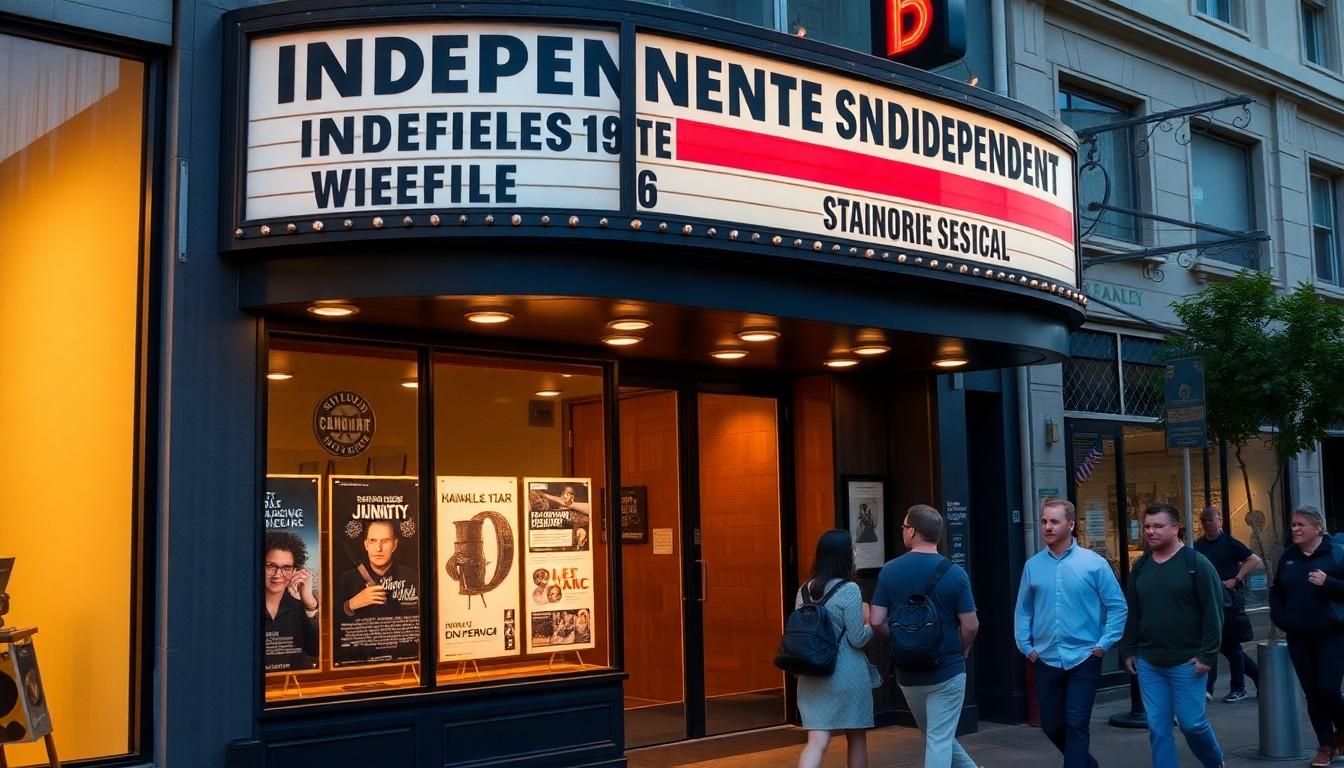
Film fans heading to the Mill Valley Film Festival from 1 to 11 October can expect a rich queer cinema programme, from Oscar hopefuls and Cannes winners to intimate stories of grief, desire, family and survival. Here’s what to look out for, whether you’re chasing awards buzz or simply want a film that lingers after the credits.
Essential Takeaways
- A packed programme: The festival features dozens of queer films across dramas, animation, documentaries, shorts and classic cinema.
- Awards-season appeal: Several titles arrive with Cannes prizes, Oscar speculation or major festival recognition already attached.
- Stories across borders: The selection moves from Nigeria and Nepal to wartime Europe, 1980s New York and contemporary San Francisco.
- A strong emotional thread: Grief, caregiving, identity and chosen family recur throughout the programme.
- Bring tissues: Tangles sounds like the most openly tear-jerking choice, while Elephants in the Fog offers a tense, absorbing look at community and transphobia.
Mill Valley’s queer programme is bigger than a single trend
The striking thing about this year’s selection is its range. Queer characters appear in historical dramas, literary adaptations, coming-of-age films, animated features and even a classic Hollywood noir, rather than being confined to one corner of the festival.
That breadth matters. It allows audiences to see queer lives as complicated, funny, romantic, political and occasionally gloriously messy. The programme also gives local viewers a chance to catch films that may otherwise have limited theatrical runs, including titles attracting early awards attention. The Guardian’s coverage of A Long Winter has helped place Andrew Haigh’s latest film among the season’s films to watch. [2]
Which films are likely to attract awards attention?
A Long Winter, directed by out gay filmmaker Andrew Haigh, is set in the 1950s and follows Mike, played by Fred Hechinger, as queer desire collides with family upheaval and grief. It sounds like a restrained, wintry drama, the sort of film where a quiet glance may do more work than a speech.
Coward arrives with particularly strong festival credentials. Lukas Dhont’s First World War drama follows the bond between two soldiers, Francis and Pierre, whose performances shared the Best Actor prize at Cannes. Meanwhile, Elsinore features Andrew Scott as Ian Charleston, a gay actor facing an AIDS diagnosis while preparing to play Hamlet. Scott is also due to receive an award at Mill Valley, giving the screening added occasion.
The wider line-up includes Fatherland from Paweł Pawlikowski, with Thomas Mann returning to Germany alongside his daughter Erika and his gay son Klaus appearing in the family story. La Bola Negra, which has earned the festival’s Viva el Cine Award, also brings considerable pedigree after its directors shared Cannes’ Best Director prize. [3]
International stories give the programme real texture
Several of the most intriguing films look beyond familiar Western settings. Clarissa relocates the emotional architecture of Mrs Dalloway to contemporary Nigeria, where a party brings an older love back into focus. Ayo Edebiri appears as Sally, Clarissa’s former love, adding another point of interest for viewers following the actor’s growing film career.
Lady also centres Nigeria, following a female taxi driver reconnecting with a friend who works as a sex worker. In Nepal, Elephants in the Fog focuses on Pirati, a third-gender community member who becomes entangled in questions of leadership, romance, disappearance and prejudice. Its setting among the Kinnar community gives the film a strong sense of place, while its family tensions keep the story grounded.
La Gradiva, a coming-of-age film set during a trip to Pompeii and Naples, offers a lighter European counterpoint. Rose, meanwhile, travels back to 17th-century Germany, where its central character disguises herself as a male soldier and marries a villager’s daughter to access the privileges denied to women. Taken together, these films suggest a festival interested not only in representation, but in how gender and sexuality operate within very different social worlds. [4]
The most emotional choices may be the quietest
For audiences after an affecting afternoon, Tangles looks like the clear tissue warning. This black-and-white animated feature follows Sarah as her mother develops Alzheimer’s, forcing her to confront caregiving, family change and the possibility of sacrificing her relationship with Donimo.
Animation can make familiar pain feel newly visible, and Tangles appears to use visual metaphors, including water and disorientation, to express the experience of watching someone slip away. It’s a story about love, but not the tidy sort. The devotion comes with exhaustion, fear and difficult choices.
Bitter Christmas takes a more self-aware route. Pedro Almodóvar’s film follows two connected creative struggles involving inspiration, pain and grief, with bold colours and a playful appearance from Rossy de Palma. It may appeal most to viewers who enjoy cinema that folds back on itself and asks where art ends and personal experience begins. [5]
Don’t overlook the classics and shorter films
The programme’s queer conversation stretches back beyond contemporary releases. Otto Preminger’s 1944 noir Laura screens with Dana Andrews as a detective investigating a murder, Gene Tierney as the absent woman at the centre of the mystery, and Clifton Webb delivering a memorably sharp performance as Waldo Lydecker.
There’s also Swing Swish Sway, a short experimental collage by TT Takemoto. Its images, moving between animals, objects and women’s bodies, evoke lesbian activist Rose Bamberger. It sounds like the kind of compact, impressionistic work that benefits from being seen in a cinema, where texture and rhythm can take over from conventional plot.
For newcomers, these shorter or older works are useful programme choices between bigger premieres. They also make the festival feel curated rather than simply crowded, with links between queer history, artistic experimentation and contemporary storytelling. [6]
How to choose what to watch at Mill Valley
Start with your mood. Choose A Long Winter or Coward if you want serious, awards-facing drama; Tangles if you’re ready for an emotionally demanding story; and Elephants in the Fog if community, mystery and social tension appeal more than romance.
It’s also worth mixing familiar names with discoveries. Andrew Scott, Ayo Edebiri, Pedro Almodóvar and Sandra Hüller may draw the initial attention, but films such as Lady, La Gradiva and Swing Swish Sway could be the unexpected highlights you end up discussing afterwards.
If you’re planning several screenings, leave breathing room between the heaviest titles. This is a programme rich in grief, illness, violence and discrimination, even when its films are ultimately hopeful. A little scheduling sense will make the experience more enjoyable, and your emotional reserves will thank you. [7]
A well-chosen festival day can take you from a Cannes contender to a Nepal-set community drama, then into a 1940s noir before dinner.
Source Reference Map
Story idea inspired by: [1]
Sources by paragraph: