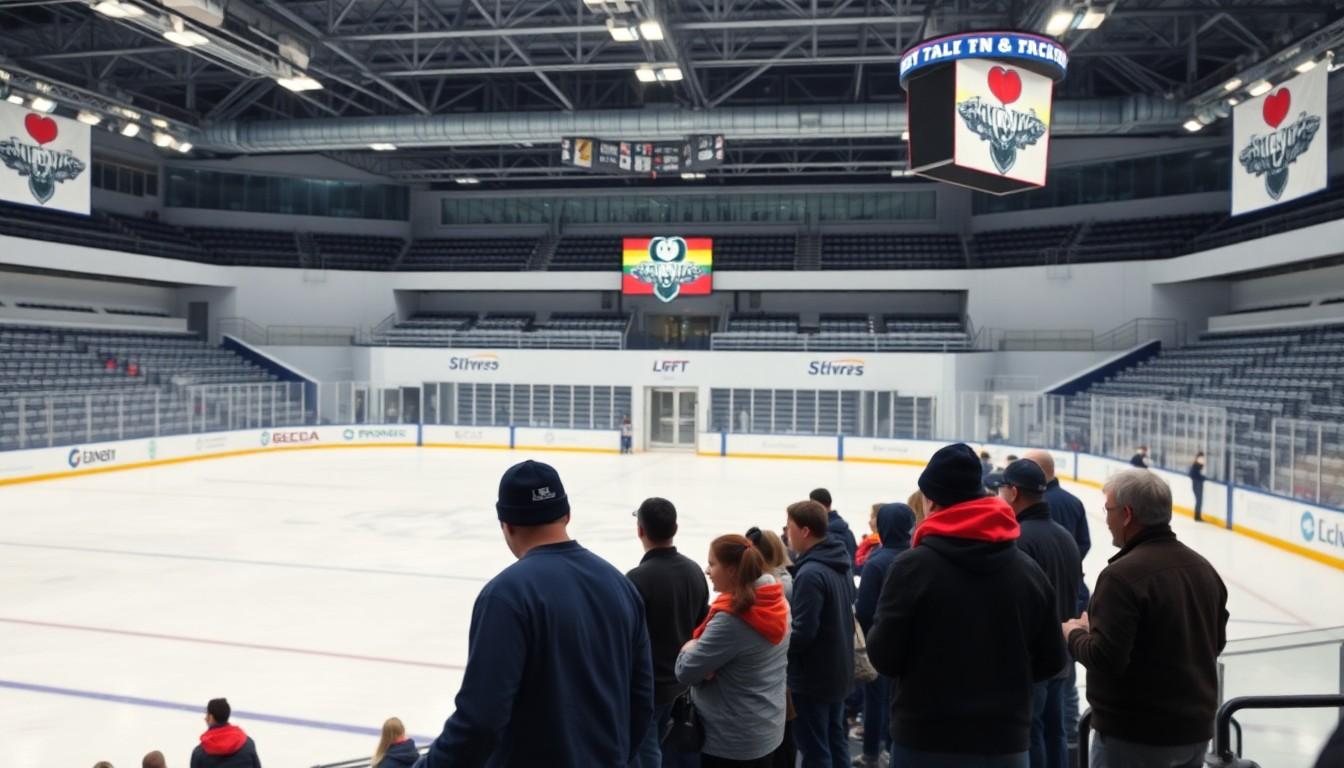
Viewers are turning to hockey dramas for more than romance, laughs and hard hits. From queer love in Heated Rivalry to sexual-assault storylines in Off Campus and inclusive leadership in Shoresy, these popular series are opening a wider conversation about who belongs in hockey and whether the real sport is ready to change.
Essential Takeaways
- Three shows, different challenges: Heated Rivalry, Off Campus and Shoresy each question familiar hockey stereotypes.
- Queer stories are taking centre ice: Heated Rivalry puts a same-sex romance at the heart of elite hockey.
- Inclusion matters off the ice: Shoresy imagines women and Indigenous people in respected leadership roles.
- The real culture remains complicated: Abuse, hazing, discrimination and access costs continue to trouble the sport.
- Television can shift the conversation: But changing what audiences watch won't automatically transform hockey institutions.
Hockey drama has found a new audience
There’s something striking about seeing a hockey dressing room used as the setting for tenderness, secrecy and emotional risk. Heated Rivalry has brought queer desire into the sport's most traditionally masculine spaces, while its success has helped make hockey romance a mainstream television conversation.
Reviews from The Guardian and Roger Ebert describe the series as a character-led sports drama rather than a simple coming-out story. That distinction matters. The hockey isn't just decoration; the pressure of competition, public image and team culture shapes how the characters understand themselves and each other.
The result is a show that asks a quietly disruptive question: what if the sport's biggest stars weren't required to fit its oldest ideas about masculinity? For many viewers, that's more powerful than another familiar tale of rivalry and redemption.
Heated Rivalry makes queerness part of elite sport
At the centre of Heated Rivalry is a romance between two leading hockey players, a premise that pushes against the assumption that professional hockey is automatically heterosexual. The story treats desire, fear and self-discovery as part of the athletes' lives, not as a side plot to be tidied away.
The Fight's analysis of the show's body language highlights how glances, distance and physical restraint carry much of its emotional weight. Meanwhile, Psychology Today considers the series' portrayal of coming out and the complicated process of becoming comfortable with one's identity.
That approach gives the drama a lived-in quality. Coming out isn't presented as one neat announcement followed by instant freedom; it's a series of decisions shaped by family, teammates, career pressures and the fear of being seen differently.
Off Campus puts safety and accountability into the story
Where Heated Rivalry explores visibility and intimacy, Off Campus brings a darker question into view: what happens when hockey culture fails to protect people around the game? Its storyline involving Hannah's disclosure of rape by a hockey player places support, belief and accountability at the heart of the narrative.
That matters because sports stories have often celebrated toughness while leaving little room for vulnerability. A character asking for help can be more radical than one winning a final, particularly in a culture where silence has too often been treated as loyalty.
The show doesn't make the subject comfortable, and it shouldn't. Its value lies in giving audiences a framework for discussing sexual assault within hockey rather than allowing the issue to remain hidden behind team identity and sporting success.
Shoresy imagines a broader hockey community
Shoresy takes a different route, using comedy and ensemble storytelling to expand the picture of who can lead and belong in hockey. Its world includes women in influential roles and Indigenous characters whose authority isn't treated as an exception or a lesson for everyone else.
That vision connects with wider efforts to support girls and women in hockey, including programmes highlighted by Hockey Indigenous. Representation is especially meaningful when characters aren't simply present but are allowed competence, ambition and power.
The show's humour helps soften the message, but the underlying idea is serious. A hockey team can still feel like hockey while making room for more voices, more backgrounds and a less rigid definition of leadership.
Can television change the real sport?
Popular culture can make new possibilities feel ordinary, but it can't fix institutional problems by itself. The sport continues to face questions about discrimination, abuse, hazing, affordability and the lack of diversity among players and decision-makers.
The divide is visible in the way audiences respond to inclusive storytelling. Some fans welcome Pride-related conversations and broader representation, while others treat them as an attack on tradition. That resistance shows why television's influence has limits, even when a series becomes a genuine cultural phenomenon.
Still, stories matter. They give fans language for experiences that may previously have felt isolated, and they invite younger viewers to imagine hockey as something they can help reshape. A show won't change a dressing room overnight, but it can change who believes they have a place in it.
The next chapter belongs to the fans
The most interesting development may be happening beyond the screen, in online communities where viewers debate representation, challenge old stereotypes and push teams to explain their choices. These conversations can be messy, but they show that hockey's meaning is no longer controlled solely by leagues, clubs and traditional media.
That doesn't mean every drama should be treated as a blueprint for reform. Heated Rivalry, Off Campus and Shoresy are still entertainment, with heightened plots and carefully shaped characters. But their popularity suggests audiences are ready for stories that acknowledge the sport's contradictions rather than polishing them away.
For hockey, that may be the real pressure point. The question isn't whether the sport can appear inclusive in a television drama; it's whether its institutions can live up to the expectations those dramas are helping create.
Television is widening the rink, but real change still has to happen inside it.
Source Reference Map
Story idea inspired by: [1]
Sources by paragraph:
- Paragraph 1: [2], [3]
- Paragraph 2: [5], [6]
- Paragraph 3: [2], [3]
- Paragraph 4: [5], [6]
- Paragraph 5: [7]
- Paragraph 6: [7]
- Paragraph 7: [4]
- Paragraph 8: [4]
- Paragraph 9: [7]
- Paragraph 10: [2], [3]
- Paragraph 11: [5], [6]
- Paragraph 12: [7]
- Paragraph 13: [4]
- Paragraph 14: [2], [3]
- Paragraph 15: [7]
- Paragraph 16: [4]
- Paragraph 17: [5], [6]
- Paragraph 18: [2], [3]