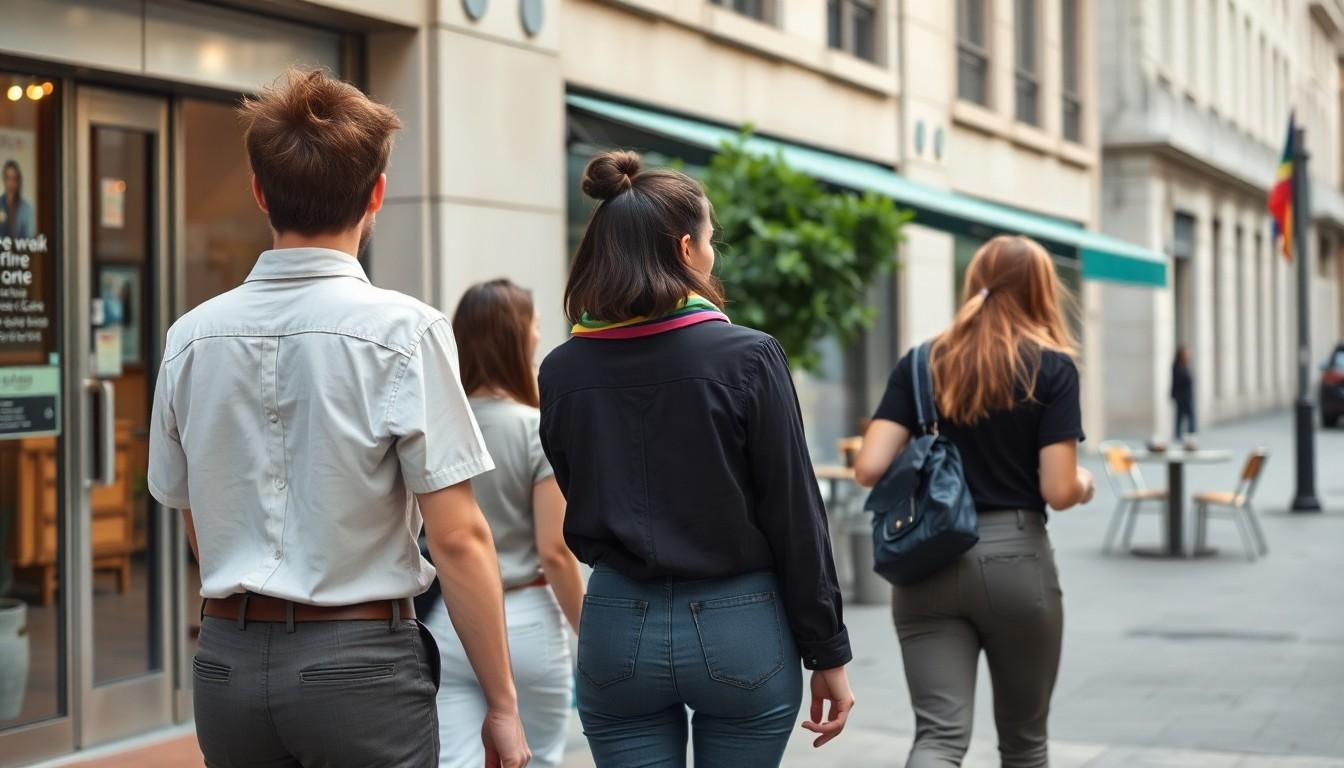
Young men are using feminine fashion to challenge old ideas about masculinity, building confidence through online communities and real-world self-expression. The growing femboy trend isn't simply about skirts, makeup or pastel colours. It's about deciding who gets to define manhood, and discovering that being seen can feel far less frightening than expected.
Essential Takeaways
- Identity and clothing aren't the same: A femboy is generally a male-identifying person who enjoys conventionally feminine presentation.
- Online communities matter: Forums, Discord groups and social platforms offer advice, reassurance and feedback without demanding conformity.
- The look isn't a sexuality label: Fashion choices don't determine someone's sexual orientation or gender identity.
- Confidence grows through practice: Wearing unfamiliar clothes publicly can make other forms of self-expression feel less daunting.
- Safety still comes first: Start with supportive settings, choose comfortable clothing and be mindful of local risks.
The clothes are visible, but the idea runs deeper
A pleated skirt attracts attention. That's precisely why it can become such a powerful challenge to traditional masculinity, especially for young men who have been taught that even small displays of softness are risky.
Femboy101 describes the term as referring broadly to men or male-identifying people who enjoy a feminine appearance, while stressing that presentation doesn't automatically define gender or sexuality. That distinction matters, because internet shorthand often turns a personal style into a label with far more baggage than it deserves.
The result is a form of self-expression that can look playful, polished or deliberately eye-catching. Sometimes it's thigh-high socks and an oversized hoodie; sometimes it's simply nail varnish, a softer colour palette or a willingness to care about fit. The common thread is choice.
Online spaces have become a fitting room and support network
For many young men, the first step doesn't happen in a clothes shop. It happens behind a screen, where they can ask questions about sizing, styling and how to handle awkward conversations at home.
Femboy communities across Discord, Reddit and other platforms offer everything from outfit feedback to informal reassurance. DiscordHome lists dedicated spaces built around social connection, while community discussions gathered by GummySearch show how often members ask practical questions about confidence, clothing and presentation.
That peer support can be surprisingly important. A young man who worries that one outfit will instantly define him may find it easier to experiment after seeing dozens of others do the same. The atmosphere isn't always perfect, but the basic message is reassuring: you don't need official permission to find a style that feels like yours.
Why the trend keeps finding new audiences
Femboy culture has grown alongside a wider internet shift towards visible, highly personal aesthetics. TikTok, Instagram and community forums have made fashion less dependent on traditional menswear rules, while creators can now build an audience around an individual look rather than a fixed mainstream category.
According to Femboy Fatale's discussion of the online presence of femboy culture, digital platforms have helped turn a once-niche identity into a recognisable online community. Hashtags, themed posts and recurring events give people a shared language, even when their personal styles are wildly different.
Femboy Friday, explored by Femboy101, is one example of how these communities turn self-expression into a regular social ritual. A themed day may sound light-hearted, but it lowers the barrier to participation. Posting an outfit becomes less like making a grand announcement and more like joining in.
Femboy isn't the same as transgender, drag or sexuality
This is where clear language helps. A femboy is usually a male-identifying person who enjoys feminine presentation. That doesn't make him a trans woman, and it doesn't mean he's performing a character on stage in the way a drag artist might.
Femboy101 and Unanswered both underline the importance of separating appearance from identity. Someone can dress femininely and still identify comfortably as a man. Likewise, clothes don't reveal whether someone is gay, straight, bisexual or uninterested in labels altogether.
For shoppers, parents and friends, the practical lesson is simple: ask rather than assume. A skirt may be an outfit, a confidence boost, a creative project or simply something that looks good. Your first interpretation isn't necessarily the right one.
How to experiment without making it overwhelming
Start with comfort, not spectacle. An oversized sweatshirt, soft socks, subtle jewellery or a pastel layer may feel easier than going straight to a full outfit, particularly if you're nervous about being recognised.
Fit matters too. Femboy communities frequently discuss adapting women's clothing to different body shapes, and that can involve checking measurements carefully rather than relying on standard size labels. Stretch fabrics, adjustable waists and relaxed silhouettes are forgiving places to begin.
Choose the setting thoughtfully. A private try-on, a supportive friend's house or an online community can offer a gentler first outing than a crowded public space. Most importantly, confidence shouldn't require ignoring personal safety. Being visible can be liberating, but nobody owes strangers access to their identity.
The wider lesson for modern masculinity
The most interesting part of the trend isn't that every young man wants to wear a skirt. Most don't. It's that more men are questioning why clothing has been given the power to determine whether they seem masculine enough.
Communities such as Femz show how peer encouragement can create room for experimentation without relying on traditional authority figures. That support may begin with outfit photos, but it can develop into something broader: a chance to talk honestly about confidence, vulnerability and the fear of judgement.
There remains a darker side, including harassment, sexualisation and unwanted attention online. Even so, the direction of travel is clear. The men challenging narrow dress codes aren't necessarily abandoning masculinity; many are asking whether it can be spacious enough to include softness, colour and a little fun.
Fashion won't solve every problem around male identity, but it can open the door.
Explore the style at your own pace, and let comfort lead the way.
Source Reference Map
Story idea inspired by: [1]
Sources by paragraph: