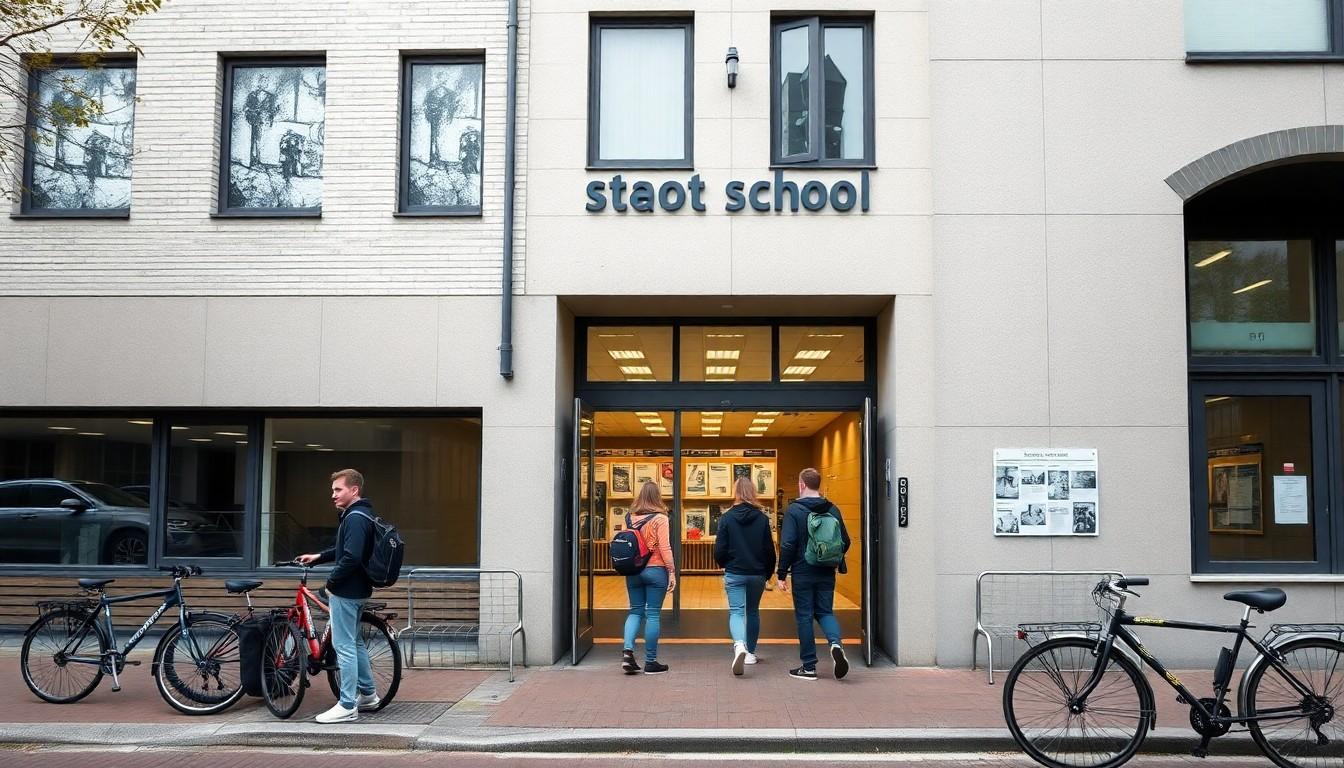
Schools across the Netherlands are marking Purple Friday and promoting LGBTQ+ inclusion, yet concern about falling acceptance among young people is growing. The debate now centres on whether schools should respond more firmly to homophobic behaviour, or whether families, friendship groups and social media must share more of the responsibility.
Essential takeaways
- Purple Friday matters: Schools use lessons, posters and activities to show that LGBTQ+ pupils should feel safe and welcome.
- Acceptance is not guaranteed: Regular inclusion campaigns haven't stopped concerns about negative attitudes among young people.
- Clear rules help: Schools can set firm expectations around bullying, exclusion and discriminatory language.
- Home still shapes views: Parents, friends, classmates and online spaces all influence how teenagers understand LGBTQ+ people.
- Monitoring needs care: Better reporting can help schools identify problems, but pupils also need trusted adults and practical support.
Purple Friday sends a message, but one day isn't enough
Purple Friday turns school corridors into visible statements of support. Pupils and staff may wear purple, join discussions or use classroom materials about LGBTQ+ lives, creating a warmer atmosphere than the usual timetable allows.
The campaign, supported by COC Nederland, is intended to make sexual and gender diversity part of everyday school life rather than a subject that appears only after a serious incident. That visibility matters, particularly for pupils who may be questioning their identity or wondering whether they can be open with friends. According to COC Nederland, schools are important places to build acceptance and challenge prejudice. [2]
But a colourful day can't carry the whole job. A pupil who sees purple posters in the morning still needs to know what will happen when someone uses a slur in the lunch queue. That's where policy, staff confidence and consistent follow-up become more important than decoration.
The real test comes after the posters come down
Many schools combine Purple Friday with classroom conversations, assemblies and projects about diversity. School initiatives such as those described by Ichthus Lyceum show how inclusion can be woven into activities rather than treated as a single annual event. [3]
Other schools also frame diversity as part of the wider culture of the school community. The Frits Philips lyceum, for example, presents diversity through school activities and shared values, helping pupils encounter the subject in a broader setting. [4] That approach feels more sustainable because it connects inclusion with daily behaviour, not just a campaign date.
Still, teachers shouldn't be expected to improvise when incidents occur. Schools need clear definitions of homophobic bullying, straightforward reporting routes and consequences that pupils can understand. Firm action doesn't have to mean a purely punitive response; it can also include restorative conversations, support for victims and education for those responsible.
Why young people's views are shaped far beyond school
The question is not simply whether teachers are doing enough. Young people's attitudes develop through overlapping influences, including family life, friendship circles, media and online communities. A University of Amsterdam literature study commissioned through the Dutch government examines how young people's views of LGBTQ+ people are formed and influenced. [7]
That wider picture matters because a school may promote inclusion during the day while pupils encounter hostile jokes or misleading content online later. Parents can't control every message their children see, but calm conversations about respect, identity and what they encounter online can make a difference.
Schools can help by giving pupils the language to question prejudice. They can also involve parents without turning the issue into a culture-war contest. The most useful message is fairly simple: disagreement about personal beliefs doesn't give anyone permission to intimidate, isolate or abuse another person.
What stronger action should look like
A tougher response should begin with visibility. Pupils need to know whom they can approach, how incidents are recorded and what the school will do next. Staff need training so that "just banter" isn't used as an excuse to dismiss repeated harassment.
The work carried out by organisations such as Tumba and Abracadabra Plus shows that Purple Friday can be supported with educational resources and activities, rather than left as a symbolic gesture. [5] [6] Those tools can help teachers discuss language, stereotypes and allyship in an age-appropriate way.
Schools should also track patterns, not just individual complaints. Are incidents concentrated in one year group? Do pupils feel safe in changing rooms, corridors or online class groups? Better monitoring can reveal where support is needed, while protecting pupils' privacy and avoiding the impression that they are being watched rather than helped.
A shared responsibility, with schools setting the standard
It would be unrealistic to expect schools to reverse every hostile attitude on their own. Families and peers have a powerful role, and social media can amplify both support and abuse. Yet schools remain one of the few places where clear standards can be applied consistently to a whole community.
That gives school leaders a responsibility to be unambiguous. As Amsterdam education alderman Esmah Lahlah put it in the discussion reported by De Telegraaf, there should be no room for exclusion, bullying or discrimination. The next step is making that principle visible in everyday decisions, not only in public statements.
The fairest answer may be both rather than either. Schools should act more firmly, while parents, platforms and pupils themselves help challenge the attitudes that arrive at the school gate. For LGBTQ+ teenagers, that combined effort could make the difference between merely attending school and genuinely feeling safe there.
It's a small purple symbol with a much bigger question behind it: what happens when the campaign day is over?
Source Reference Map
Story idea inspired by: [1]
Sources by paragraph:
- Paragraph 1: [2], [7]
- Paragraph 2: [3], [4]
- Paragraph 3: [5], [6]
- Paragraph 4: [7], [2]
- Paragraph 5: [3], [5]
- Paragraph 6: [4], [6]
- Paragraph 7: [7], [2]
- Paragraph 8: [5], [6]
- Paragraph 9: [7], [2]
- Paragraph 10: [3], [4]
- Paragraph 11: [5], [6]
- Paragraph 12: [7], [2]
- Paragraph 13: [3], [4]
- Paragraph 14: [5], [6]
- Paragraph 15: [7], [2]
- Paragraph 16: [3], [4]
- Paragraph 17: [5], [6]
- Paragraph 18: [7], [2]
- Paragraph 19: [3], [4]