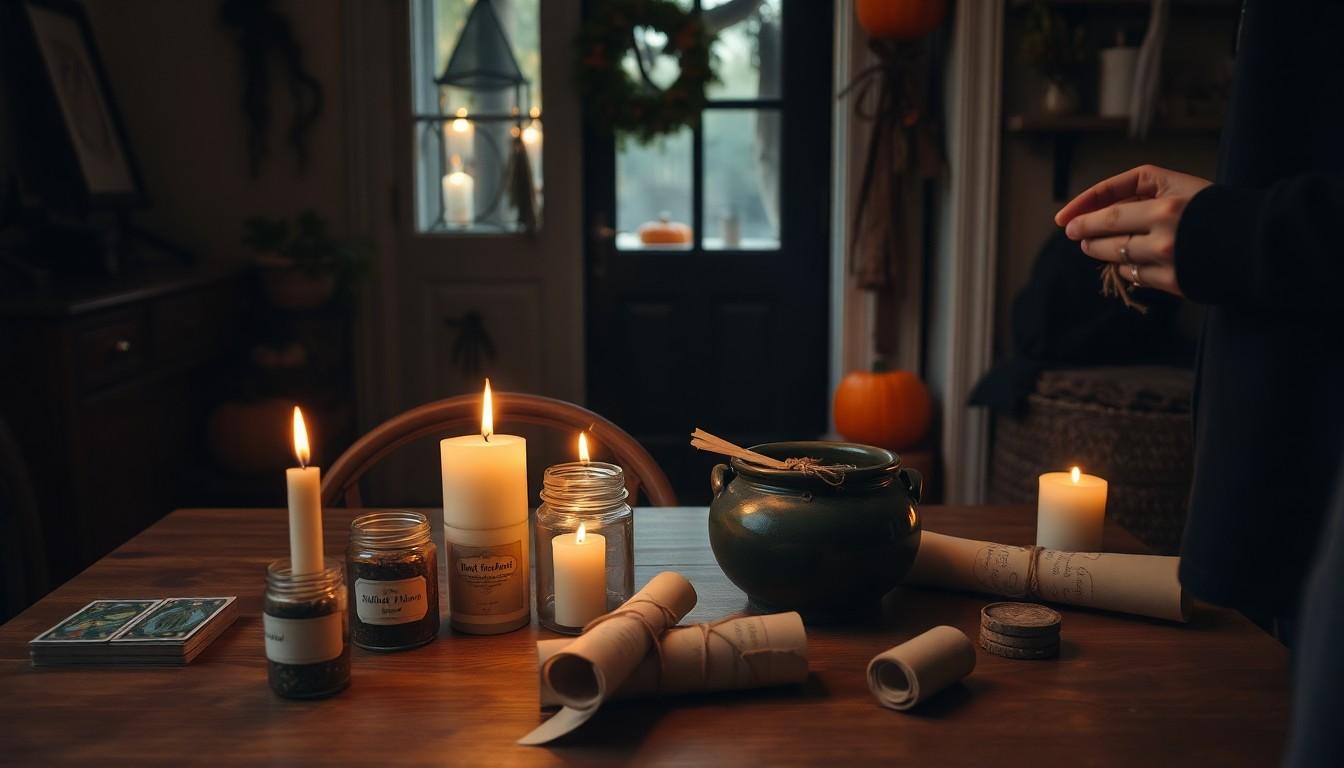
Queer creators are bringing witchcraft into the spotlight this autumn, blending ritual, identity and a generous dash of Halloween theatre. From herbs and crystals to cleansing spells and playful dating advice, TikTok's gay witches are making ancient practices feel personal, political and wonderfully camp.
Essential Takeaways
- A growing community: Queer witchcraft has found a lively home across TikTok and other social platforms.
- More than spooky fun: Practitioners connect magic with healing, self-expression and resistance.
- Rituals vary widely: Content ranges from herbs and protection work to cleansing routines and love spells.
- Faith looks different: Pew Research found lesbian, gay and bisexual adults were more likely than the general public to identify with non-Christian faiths.
- Halloween fits perfectly: Autumn's costumes, candles and theatrical mood give the community plenty of room to play.
TikTok's queer witches are casting a very modern spell
Scroll through TikTok during spooky season and you'll find more than pumpkin decorations and dramatic eyeliner. Queer witchcraft creators are sharing rituals, beliefs and jokes with an audience that seems equally happy to learn and laugh. The result is part spiritual practice, part performance, and entirely at home on a platform built for quick visual storytelling. TikTok's creator videos show just how varied the community can be. [3], [4]
That mix matters because witchcraft has long offered language for people who feel pushed outside the mainstream. For some LGBTQ+ users, the idea of reclaiming a label once used to frighten or shame people has an obvious emotional charge. It turns marginalisation into self-possession, with a little sparkle around the edges. [2], [3]
Why queer people see themselves in witchcraft
At its heart, witchcraft often centres on intention, healing and personal agency. Those themes can resonate with LGBTQ+ people who have had to build their own definitions of family, identity and belonging. The practice doesn't need to look the same for everyone, either, which leaves room for private belief, theatrical experimentation and everything in between. [2], [3]
Pew Research reported that lesbian, gay and bisexual Americans were more likely than the general public to identify with a non-Christian faith group, including traditions such as Wicca and paganism. That doesn't mean every queer person is a witch, of course, but it does help explain why alternative spiritual paths have found a receptive audience. [2]
There is also a deliciously rebellious streak to the whole thing. If conventional culture has repeatedly described queer lives as dangerous or excessive, reclaiming the supposedly sinister can feel like taking back the microphone. Naturally, the microphone may come with crystals attached.
From protective herbs to post-date cleansing
The most entertaining TikTok content often makes witchcraft feel surprisingly practical. One creator discusses tools of the craft with the seriousness of a seasoned practitioner, while another insists that herbs need clear instructions before they can do their work. It's a reminder that rituals are not simply decorative props: for believers, intention is the engine. [4], [5]
Other videos bring magic into distinctly modern situations. A creator demonstrates cleansing after meeting people through a dating app, turning an ordinary bedroom ritual into a cheeky piece of queer self-care. It’s funny, but the idea underneath is familiar: after an intense encounter, people often want a symbolic reset. [6]
Love magic gets an equally specific makeover, with herbs presented as ways to attract particular kinds of romantic or sexual connections. Whether viewers accept the spellwork or simply enjoy the joke, the content shows how creators are adapting traditional imagery to contemporary queer life. [7]
The appeal is part ritual, part performance
There’s no single look for a queer witch online. Some creators lean into smoke, candles and occult symbolism, while others use bright humour, flirtation and deliberately over-the-top delivery. That range makes the community feel less like a closed spiritual club and more like a conversation anyone can observe. [3], [4]
TikTok is especially good at turning niche interests into shared culture. A short clip can offer a beginner-friendly explanation, a comic sketch or a glimpse into someone’s private practice, all before the viewer has time to wonder whether they believe in magic. The platform's algorithm may bring people in for the aesthetic, but the stories about identity and belonging often keep them watching. [3], [5]
Still, it’s worth separating entertainment from expertise. A playful video isn't automatically a guide to safe or historically grounded practice, and herbs, smoke and ingestion should never be treated casually. The best approach is curious but sensible: enjoy the atmosphere, check claims carefully and don't mistake confidence on camera for qualifications.
Halloween gives queer witchcraft its perfect stage
Autumn provides the ideal backdrop for this blend of belief and spectacle. Candles burn brighter, jumpers get chunkier and Halloween invites everyone to try on a more dramatic version of themselves. For queer creators, that theatrical freedom can make spiritual expression feel even more open and celebratory. [3], [4]
The connection also has a longer history. Feminist and activist movements have used witch imagery to challenge patriarchal power, while queer communities have repeatedly reclaimed language and symbols once used against them. That legacy gives the modern TikTok witch a deeper context beneath the jokes and carefully framed cauldrons. [2]
So, whether you see witchcraft as faith, self-care, storytelling or excellent seasonal content, its queer online revival makes sense. It offers control, community and a chance to turn the supposedly scary into something stylishly one's own.
A little ritual can be playful, political and personal all at once.
Source Reference Map
Story idea inspired by: [1]
Sources by paragraph: