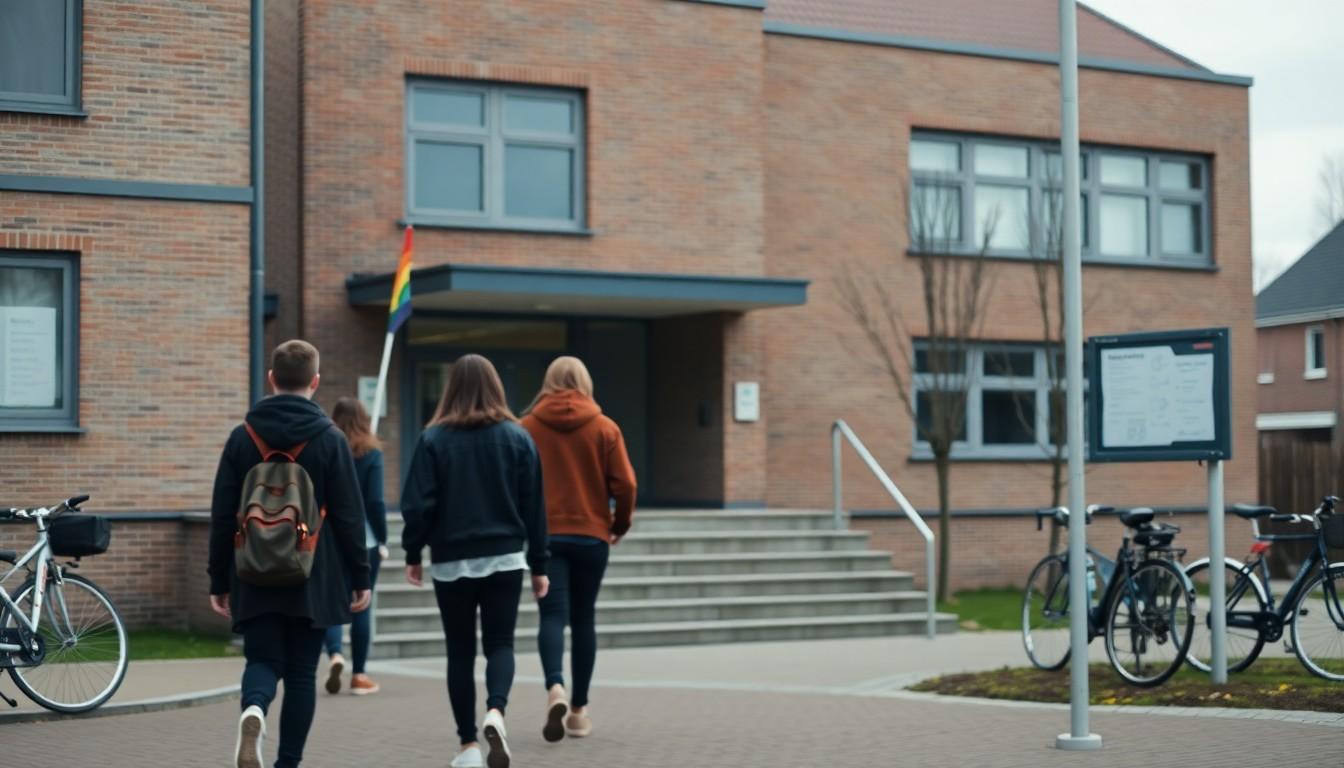
A sharp decline in LGBTQ+ acceptance among Dutch teenagers is raising fresh concerns about bullying, school safety and the influence of social media. New research suggests the shift is particularly marked among boys, making schools and families important places to rebuild respect and openness.
Essential Takeaways
- Acceptance has fallen sharply: A new study found more negative attitudes towards homosexuality among Dutch pupils aged 12 to 16.
- Boys show the biggest shift: Tolerance declined especially steeply among male students, although many girls also expressed disapproval.
- Schools are feeling the strain: Teachers and LGBTQ+ educators report a more difficult atmosphere around lessons and events such as Purple Friday.
- Online influences matter: Researchers point to conservative gender views, political messaging and some religious beliefs as possible factors.
- Respect remains practical: Clear anti-bullying policies and consistent classroom discussion can help protect pupils and staff.
A worrying change in teenage attitudes
The most striking detail is the speed of the reversal. Research from the Trimbos Institute and Utrecht University, reported by RTL Nieuws, found that attitudes towards same-sex relationships have become considerably more negative among Dutch pupils aged 12 to 16.
The findings are based on responses from roughly 6,600 students. That makes the survey a snapshot rather than a complete portrait of every teenager, but it's still a sizeable warning signal. As Trimbos explained, the change follows years in which acceptance had generally been moving in the opposite direction.
For LGBTQ+ pupils, this isn't an abstract debate. A colder atmosphere can mean whispered insults, lost friendships or the exhausting calculation of whether it's safe to be open. The emotional cost can be quiet, but it rarely stays small.
Why the drop is especially visible among boys
The decline appears strongest among boys, while a substantial share of girls also expressed negative views. Utrecht University researchers described the development as deeply concerning, according to DUIC, particularly because young people can be highly responsive to messages circulating around them.
That doesn't mean teenagers simply copy whatever they see online. Adolescence is more complicated than that. Still, social platforms can make combative ideas about masculinity, relationships and identity feel normal through repetition, jokes and peer approval.
The wider political climate may also be playing a role. Reports from the Trimbos Institute and Dutch media point to the spread of conservative views about gender and relationships, alongside political and religious influences in some communities. None of these factors tells the whole story, but together they help explain why the change deserves attention.
Schools are becoming a crucial battleground
Schools often provide the first structured opportunity for teenagers to discuss sexuality, identity and discrimination beyond their own social circles. Yet teachers have described LGBTQ+ education and Purple Friday as more politically charged, with some staff feeling less comfortable being open about their own lives.
That matters because visibility is not a decorative extra. When pupils see that a teacher, counsellor or visiting educator can discuss LGBTQ+ lives calmly and confidently, it gives respect a human face. It also makes it easier for students to ask questions before uncertainty hardens into hostility.
According to reports summarising the research, some teachers say everyday relationships between pupils can seem gentler than the survey figures suggest. That's encouraging, but it shouldn't become an excuse to dismiss the results. A young person may avoid an open confrontation while still holding views that make a classmate feel unwelcome.
What parents and teachers can do now
The practical response doesn't need to be dramatic. Schools can set clear rules against homophobic language, challenge so-called jokes consistently and make reporting routes easy to understand. Staff training also helps teachers recognise exclusion before it develops into persistent bullying.
Parents can start with ordinary conversations rather than waiting for a crisis. Ask what children are seeing online, how people talk in group chats and whether they think certain jokes are harmless. A calm question can reveal more than a lecture, especially when teenagers expect adults to react with instant outrage.
Size matters here, too. A school-wide assembly may help, but regular discussion in tutor time, citizenship lessons and pastoral support is more likely to build lasting habits. Acceptance is not created by one themed day; it's reinforced in the small moments when adults decide whether to let a remark pass.
A broader test of social tolerance
The study focused on attitudes towards homosexuality, but related research has also pointed to falling acceptance of trans and non-binary people. That suggests the issue isn't limited to one group. It may reflect a broader hardening towards anyone who doesn't fit traditional expectations around gender or relationships.
The response, then, has to be equally broad. Schools, families, platforms and political leaders all influence the environment in which teenagers form their views. As coverage by the EO reports, understanding the reasons behind the decline is important, but explanation must be matched by action.
There is still room for optimism. Teachers' experiences suggest that survey responses don't always translate neatly into daily behaviour, and young people can change their minds when they encounter honest information and real human connection. But tolerance needs defending repeatedly, not admired as if it will look after itself.
It's a small daily choice, but making respect visible can change the atmosphere for everyone.
Source Reference Map
Story idea inspired by: [1]
Sources by paragraph:
- Paragraph 1: [2], [3]
- Paragraph 2: [2], [6]
- Paragraph 3: [3], [5]
- Paragraph 4: [4], [7]
- Paragraph 5: [2], [6]
- Paragraph 6: [3], [5]
- Paragraph 7: [2], [4]
- Paragraph 8: [5], [6]
- Paragraph 9: [2], [3]
- Paragraph 10: [4], [5]
- Paragraph 11: [2], [6]
- Paragraph 12: [3], [5]
- Paragraph 13: [2], [7]
- Paragraph 14: [4], [6]
- Paragraph 15: [2], [5]
- Paragraph 16: [3], [7]
- Paragraph 17: [2], [5]
- Paragraph 18: [4], [6]