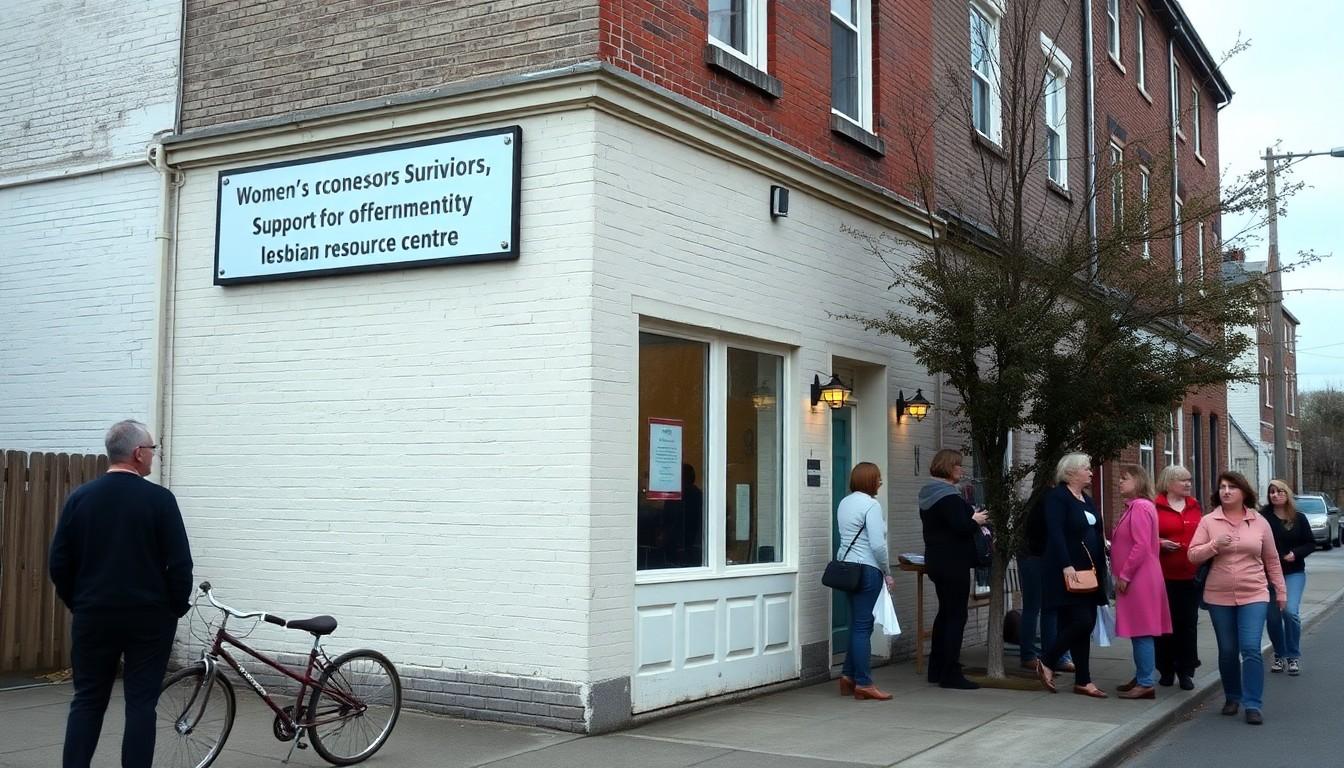
Survivors of lesbian domestic abuse are still finding that competent, LGBTQ-inclusive help can be difficult to access. New research and firsthand accounts highlight how stigma, outdated assumptions and patchy services can leave people feeling isolated when they most need safety and support.
Essential Takeaways
- Domestic abuse affects same-sex couples too: Research has found significant levels of intimate-partner violence among lesbian and bisexual women.
- Stereotypes can obscure danger: The assumption that abuse is always male-perpetrated may mean victims aren't believed or recognised.
- Shame can deepen isolation: Survivors may fear being judged for both their sexuality and their relationship.
- Services aren't consistently inclusive: Shelters, police and healthcare providers may lack LGBTQ-specific training.
- Better responses require action: Advocates are calling for improved training, research and clear referrals to specialist support.
The warning signs are often missed
Domestic abuse in lesbian relationships can be dangerously easy for outsiders to overlook. A woman being threatened, controlled or attacked may not fit the public image many people still carry of intimate-partner violence, and that gap between reality and expectation can have serious consequences.
Research indexed by PubMed has documented intimate-partner violence among sexual-minority women, while a recent review in the International Journal for Equity in Health underlines the need for more precise, inclusive evidence. The figures vary between studies, but the message is consistent: same-sex relationships aren't somehow protected from coercion or violence.
That matters in everyday situations, too. A neighbour, passer-by or police officer who assumes that a confrontation between two women is merely a heated argument may miss an opportunity to intervene. For someone in danger, that hesitation can feel like a locked door.
Why survivors may struggle to name the abuse
Abuse isn't always constant or obvious. It can move between intimidation, manipulation, physical violence and intense affection, creating a confusing cycle that leaves a survivor hoping the gentler version of their partner will return.
The wider evidence also shows that sexual-minority people face elevated mental-health risks, including anxiety, depression and trauma-related conditions. Research published through PubMed has linked intimate-partner violence with substantial psychological harm, making the aftermath more than a short-lived emotional bruise.
There can be another layer of silence. Someone who has already faced rejection or discomfort from family may worry that disclosing abuse will reinforce hostile ideas about queer relationships. It can feel like choosing between revealing the danger and protecting the fragile acceptance they've managed to build.
The double burden of stigma and isolation
For some lesbian survivors, the fear isn't only about being believed. It's also about being judged, outed or treated as though the abuse somehow reflects badly on the LGBTQ+ community.
That pressure can encourage withdrawal from friends, relatives and support organisations. Studies examining family relationships among sexual-minority adults suggest that estrangement and weakened support networks remain important concerns, leaving some people with fewer safe places to go.
And rural life can make the problem sharper. Where one local refuge serves a wide area, privacy may be limited and the possibility of encountering an ex-partner can feel uncomfortably real. A service may technically exist, yet still seem impossible to use.
Support services need to be genuinely inclusive
A leaflet alone isn't enough when someone is frightened, unsure what counts as abuse or worried about being outed. Police and frontline workers need to explain practical options, including emergency accommodation, advocacy, safety planning and specialist counselling.
The research base remains uneven, which affects policy and provision. Reviews available through PubMed and academic databases have repeatedly pointed to gaps in how same-sex intimate-partner violence is measured and addressed. If services don't ask the right questions, they can underestimate demand and design support around the wrong assumptions.
Inclusive care doesn't mean creating a separate system for every survivor. It means making existing systems flexible enough to recognise different relationships, risks and routes to safety. Staff should understand pronouns, coercive control, outing as a threat and the possibility that both partners may seek help from the same local service.
What meaningful change could look like
Training is one practical starting point, particularly for police, refuge workers, healthcare staff and university safeguarding teams. It should go beyond a single awareness session and include realistic scenarios involving same-sex couples, coercive control and barriers faced by people who aren't openly queer.
Better data is just as important. Recent academic work has helped establish the scale and consequences of IPV among sexual-minority women, but researchers still need reliable, inclusive studies that reflect differences in age, race, disability, income and geography.
For anyone worried about a partner's behaviour, the most useful first step is usually a confidential conversation with a specialist domestic-abuse service or trusted professional. If there is immediate danger, contact emergency services where you are. No one needs to wait for an injury, and no one has to prove that their relationship is serious enough to deserve help.
The larger lesson is uncomfortable but straightforward: a service can't claim to be accessible if survivors don't recognise themselves in it. As one survivor's experience makes clear, sometimes a single person choosing to take the situation seriously can change what happens next.
It's time for domestic-abuse support to recognise every survivor, not just the ones who fit an outdated picture.
Source Reference Map
Story idea inspired by: [1]
Sources by paragraph:
- Paragraph 1: [2], [3]
- Paragraph 2: [4], [5]
- Paragraph 3: [6], [7]
- Paragraph 4: [2], [3]
- Paragraph 5: [4], [5]
- Paragraph 6: [6], [7]
- Paragraph 7: [2], [4]
- Paragraph 8: [3], [5]
- Paragraph 9: [6], [7]
- Paragraph 10: [2], [3]
- Paragraph 11: [4], [5]
- Paragraph 12: [6], [7]
- Paragraph 13: [2], [3]
- Paragraph 14: [4], [5]
- Paragraph 15: [6], [7]