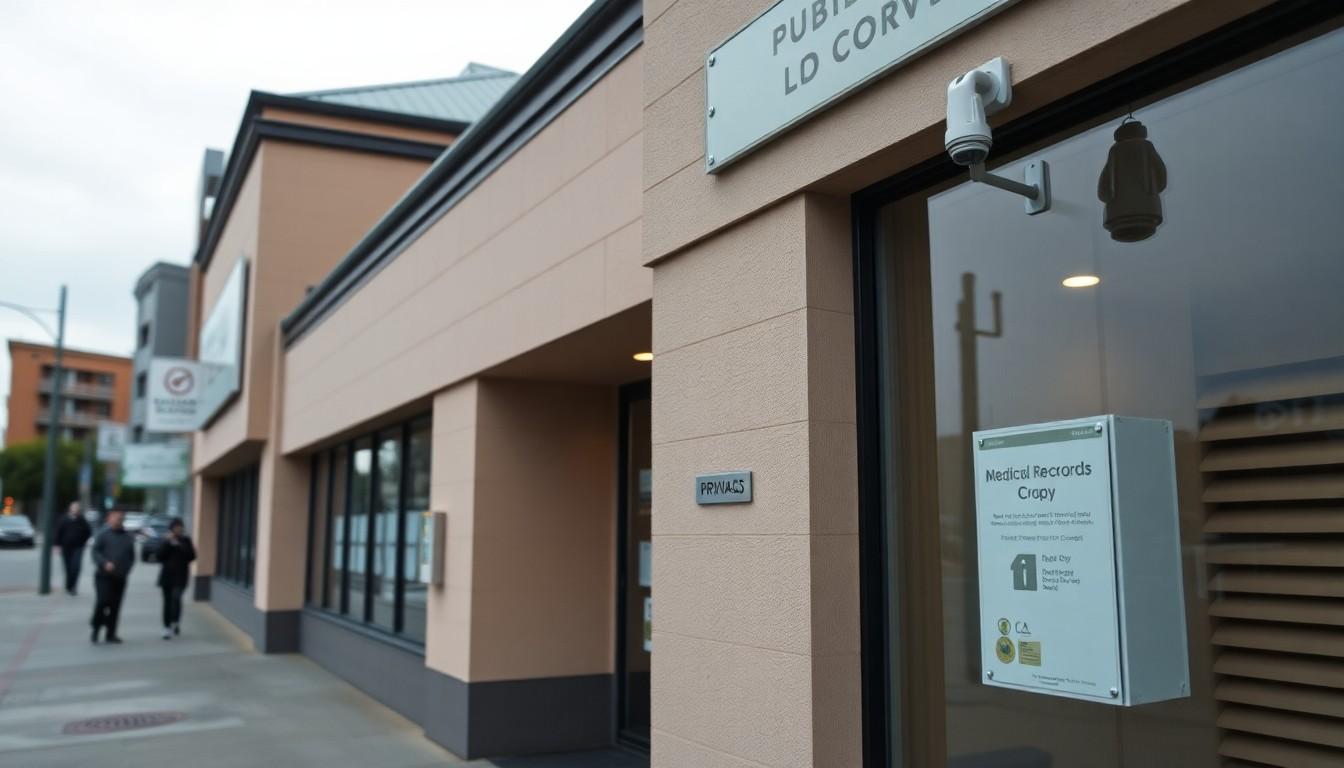
Seattle LGBTQ+ patients are facing fresh questions about HIV test privacy after blood samples began travelling to a Texas laboratory with identifying information attached. The switch, driven by Washington’s health department contract and cost pressures, promises quicker results, but it has left some queer residents uneasy about who might access sensitive medical data.
Essential Takeaways
- Samples are travelling south: Seattle LGBTQ+ Center specimens are being sent to a LabCorp-owned facility in San Antonio.
- Identifying details are included: Information reportedly includes sex assigned at birth, raising concerns among LGBTQ+ patients.
- Cost drove the change: Washington officials say the Texas laboratory is significantly cheaper than the previous local option.
- Faster results are promised: The Department of Health says quicker processing could speed up treatment and care referrals.
- Trust is already fragile: Texas officials have previously pursued access to LGBTQ+-related medical and identity records.
A routine test now carries a bigger question
For many people, an HIV or STI test is already an intensely personal moment. The idea that a blood sample, accompanied by identifying details, could cross state lines adds another layer of anxiety, particularly for queer patients who have deliberately moved to Washington for greater security.
Seattle LGBTQ+ Center testing was previously processed through Public Health King County Labs. According to Seattle Gay News, the centre was then required to use the Center for Disease Detection in San Antonio, a LabCorp-owned laboratory. The change applies to blood samples linked to HIV and other sexually transmitted infections.
The practical benefit is clear enough: patients need reliable results and prompt treatment. But privacy isn't a minor detail when the information involves sexual health, gender history or a patient's wider medical record.
Why Texas makes people nervous
Washington Department of Health officials say the decision was made through a contract involving King County, rather than by the LGBTQ+ centre itself. Seattle Gay News reported that the centre's executive director, Nakita Venus, said keeping testing running without interruption was the immediate priority.
The concern stems from Texas's recent record on LGBTQ+ information. State officials have pursued access to records involving gender-affirming care, while legal disputes have also focused on information held by advocacy groups and healthcare organisations.
That history helps explain why a low-profile laboratory decision has attracted attention. A result processed in another state may feel very different when patients believe that state's officials have shown a particular interest in queer people's records.
The cost argument is compelling, but incomplete
Mark Johnson, a Washington Department of Health public information officer, told Seattle Gay News that the price difference between the local laboratory and the Texas provider was substantial. He said the savings remained significant even after shipping costs were included, and that no alternative facility offered a comparable price.
Johnson also said the Texas laboratory could process samples more quickly. That could mean faster notification for people diagnosed with HIV, syphilis, gonorrhoea, chlamydia or hepatitis C, alongside earlier links to treatment and support.
Those are meaningful benefits. Waiting for an answer can be miserable, and delays in treatment affect both individual health and public health. Still, speed and affordability don't automatically settle questions about data governance, particularly when patients weren't given a choice about where their samples would be tested.
What patients should ask before testing
Anyone using a clinic for HIV or STI testing can ask how samples are stored, who processes them, what identifying information travels with them and how long records are retained. It’s also reasonable to ask whether testing can be anonymous or confidential, although the options vary depending on the test and the service.
Washington's Department of Health provides information on HIV testing, prevention and infectious-disease reporting. Its public resources can help patients understand the difference between anonymous and confidential testing, as well as what follow-up may be required after a positive result.
For people worried about privacy, the most useful step is to raise the concern directly with the testing provider before the sample is taken. A clear answer may not remove every worry, but it gives patients a better sense of the process and their available choices.
Trust will matter as much as turnaround time
Washington has attracted LGBTQ+ residents seeking a safer political and social environment, including people leaving states such as Texas. That makes confidence in local healthcare systems especially important. A person who has moved for safety may reasonably expect sensitive information to be handled with extra care.
The Department of Health's HIV data and infectious-disease resources underline the public-health value of testing and reporting. Yet public-health systems depend on participation, and participation depends on trust. If patients fear that their data could be exposed or used against them, some may avoid testing altogether.
The immediate question is not simply whether the Texas laboratory can deliver accurate results. It’s whether health authorities can explain the safeguards clearly enough for patients to feel that their privacy is being treated as part of the service, not as an afterthought.
Ask where your sample goes, how your information is protected and what testing options are available.
Source Reference Map
Story idea inspired by: [1]
Sources by paragraph: