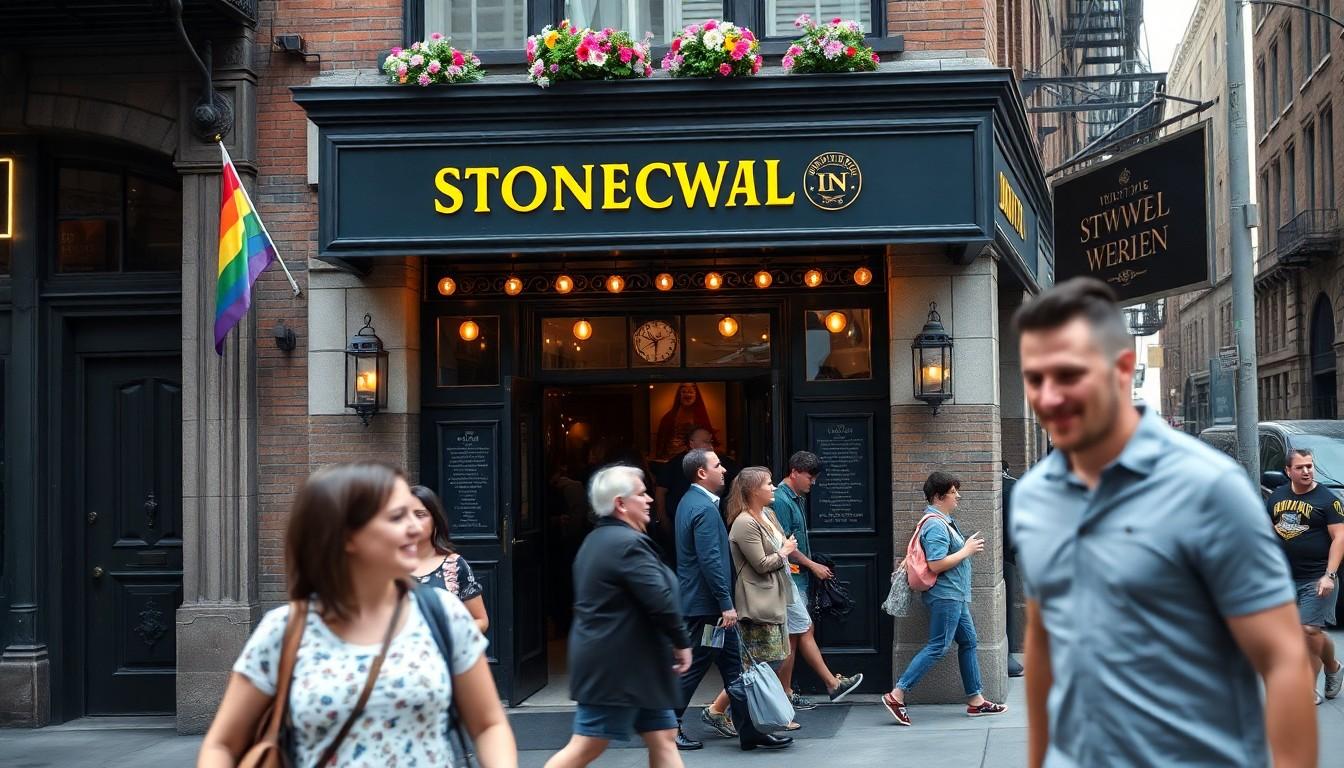
Visitors at New York’s Stonewall Inn welcomed Rob Jetten, the Netherlands’ first openly gay prime minister, during his United Nations General Assembly trip. His visit connected a landmark of LGBTQ history with a changing political landscape, while highlighting why representation, remembrance and continued vigilance still matter.
Essential Takeaways
- A historic stop: Jetten visited the Stonewall Inn in Manhattan’s Greenwich Village during his New York trip.
- A milestone in office: He became the Netherlands’ first openly gay prime minister and its youngest leader.
- Representation matters: LGBTQ Victory Fund chief executive Evan Low described Jetten as proof of what political visibility can achieve.
- History needs protecting: Jetten said places linked to LGBTQ rights must be preserved.
- Progress isn't finished: He warned that equality requires continued attention as new threats emerge.
A symbolic visit to Stonewall
There was a certain neatness to the scene: a Dutch prime minister, a cold beer and one of the world’s most recognisable LGBTQ landmarks. Rob Jetten visited the Stonewall Inn during his stay in New York, where he was attending events linked to the United Nations General Assembly.
The Greenwich Village bar is widely regarded as the birthplace of the modern LGBTQ rights movement. According to ABC7 New York, Jetten toured the site and reflected on the activists whose resistance helped turn a local confrontation into a global campaign for equal rights.
His message was respectful but not museum-like. Stonewall isn't simply a place to look back at; it's a reminder that rights were won through pressure, courage and collective action.
Why Jetten’s role carries extra weight
Jetten's appointment marks a major moment for the Netherlands, a country with longstanding links to New York and a strong association with LGBTQ rights. He is the country's first openly gay prime minister and its youngest leader, according to background reports from NDTV and other outlets.
That combination makes his public appearances unusually resonant. A senior politician can speak about equality in the abstract, but standing inside Stonewall gives the subject a human scale. It turns constitutional progress into something you can almost feel in the room.
The Netherlands also recently marked 25 years since becoming the first country to legalise same-sex marriage. That anniversary adds useful context, but it doesn't make the story feel finished. Milestones matter most when they encourage people to protect what came next.
Representation can change who feels welcome in politics
Jetten later attended a reception hosted by the LGBTQ Victory Fund, an organisation that supports and trains LGBTQ candidates for public office. Its work is particularly relevant in places where openly LGBTQ political leadership still comes with serious personal and professional risks.
Evan Low, the group's chief executive, said prospective candidates often wonder whether public service is worth the sacrifice. His point is easy to understand: ambition can be inspiring, but visibility can also bring scrutiny, hostility and exhaustion.
Yet representation has a practical effect. When voters see an openly gay leader running a government, the old question of whether such a career is possible becomes less theoretical. As Low explained through the organisation's work, people often need to see a path before they can imagine taking it.
The Stonewall lesson is preservation, not nostalgia
Stonewall's importance is partly historical, but its meaning depends on how that history is handled. Kurt Kelly, a co-owner of the inn, discussed the site's role with Jetten and connected the events there to Pride celebrations around the world, according to ABC7 New York.
That makes preservation more than a tourism concern. Historic LGBTQ spaces offer a physical link to people whose stories were often ignored, hidden or actively suppressed. The worn surfaces and busy bar atmosphere are part of the point: social change happened in real rooms, among real people, rather than in a tidy textbook timeline.
Jetten said historic grounds such as Stonewall must be protected. It's a sensible reminder that cultural memory can disappear surprisingly quickly when landmarks lose funding, access or public attention.
Progress needs a watchful eye
The most important part of Jetten's message may have been his warning against treating one breakthrough as the end of the journey. He argued that LGBTQ emancipation continues and that communities must stay alert to emerging threats.
That caution sits alongside the optimism of his visit. A gay prime minister at Stonewall is undeniably a powerful image, but it doesn't erase discrimination or guarantee permanent progress. Laws, public attitudes and political priorities can all shift.
For visitors, the takeaway is simple: Stonewall isn't only a place to take a photograph. It's a place to remember that rights can expand, but they also need defending. The history feels most alive when it informs what people do next.
It's a small Manhattan landmark with a remarkably large lesson: representation matters, but vigilance keeps progress moving.
Source Reference Map
Story idea inspired by: [1]
Sources by paragraph: