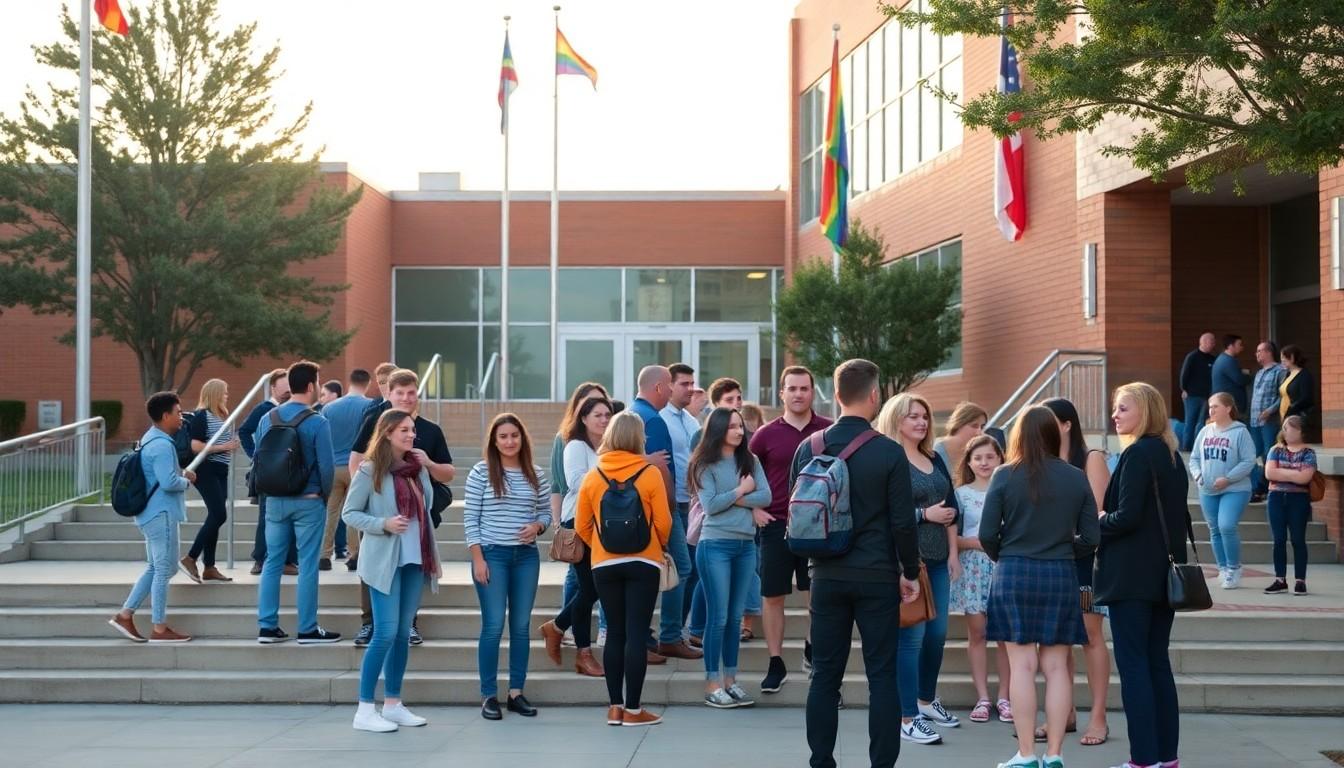
Hundreds of LGBTQ+ students, families, educators and allies are expected at Watsonville High School on 26 September for a free Rainbow Conference focused on community, practical support and joyful self-expression across California's Central Coast.
Essential Takeaways
- Three programmes in one day: Separate tracks support school students, adults and younger children.
- Free regional gathering: Attendees are expected from Santa Cruz, Monterey and San Benito counties.
- Youth-led focus: The student summit includes workshops, identity-based groups and a resource fair.
- Support for adults: Parents, carers and educators can attend a bilingual gender-focused programme.
- A welcoming atmosphere: Organisers want the event to feel celebratory, not merely tolerant.
A full day of connection, not just a conference
The strongest message from Watsonville is simple: LGBTQ+ young people deserve more than quiet acceptance. They deserve a visible, welcoming space where they can meet peers, ask questions and enjoy themselves without having to explain every part of who they are.
The Rainbow Conference runs from 9.30am to 2pm, with activities spread across three linked programmes. The free event is designed for school-aged young people, their families and the adults who support them, according to the Safe Schools Project.
That mix matters. A teenager might arrive for the student summit, while a parent attends a session on gender and a younger sibling joins a family activity. It gives the day a rare, lived-in quality: less formal seminar, more community gathering with useful information woven through it.
Three tracks serve different ages and needs
The Queer, Trans and Allied Student Summit is intended for middle and high school students. Its 2026 theme, "Wildflower Masqueerade", uses flowers growing through concrete as an image of resilience, creativity and identity finding room to flourish.
Students will have breakfast, visit a resource fair, hear a keynote address and join identity-based caucuses. Workshops are expected to cover mental health, healthy relationships and consent, with some sessions led by young people themselves.
For families with primary-age children, Rainbow Glitter Kids offers a gentler introduction to the day. The programme is aimed mainly at fourth- and fifth-graders attending alongside parents, carers or relatives, creating space for questions and shared experiences without making children feel like they're sitting through an adult event.
Why regional gatherings can make a difference
For some students, their school may have only a small number of openly LGBTQ+ pupils. Bringing young people together from several counties changes that equation quickly. Instead of feeling like the only person navigating a particular identity, they can compare experiences, swap ideas and discover that support exists beyond the school gates.
The conference also gives students a chance to learn what works elsewhere. A school's inclusion efforts might be modest, but another student may have practical suggestions about clubs, peer support or starting conversations with staff. Those small exchanges can be surprisingly powerful.
The wider climate adds urgency, too. Organisers say the gathering comes at a time of political and legal disputes affecting LGBTQ+ rights, but they don't want the day to become dominated by fear. The balance is important: acknowledge the pressure, then make room for lunch, laughter, craft activities and ordinary friendship.
Parents and educators have their own programme
Adults aren't simply accompanying children from one room to another. The Understanding Gender Conference is a free, bilingual track for parents, guardians, teachers and adult allies, with simultaneous Spanish interpretation available.
Scheduled speakers include A.D. Sean Lewis, a senior attorney with Lambda Legal, who is due to discuss legal issues affecting LGBTQ+ people. Family physician Jen Hastings is also listed among the presenters, bringing a health perspective to a programme that aims to make complicated subjects more approachable.
That's particularly helpful for families who want to support a child but aren't sure where to begin. Listening, using the right name and pronouns, and knowing where to find reliable advice can all make a practical difference. The Safe Schools Project's conference information is a useful starting point for checking the latest programme details.
A young planning voice at the centre
Katherine Figueroa, a nonbinary and transgender student from Pajaro Valley High School, is helping plan the conference this year. Their involvement reflects one of the event's most valuable features: young people aren't only attending, they're helping shape what the day feels like.
Figueroa has spoken about being open with their identity at school and about how personal contact can soften assumptions. That doesn't erase prejudice, of course, but it can make other students more willing to listen and learn.
For visitors, the practical advice is straightforward. Register through the Safe Schools Project, check which track suits each family member and look out for transport information, as school districts in Santa Cruz County are expected to provide buses. Bring curiosity, comfortable shoes and, ideally, a willingness to let young people lead some of the conversation.
A conference can't solve every challenge facing LGBTQ+ students. But a room full of peers, supportive adults and useful resources can offer something equally important: the reassuring feeling that nobody has to stand alone.
It's a small Saturday commitment with the potential to make a lasting difference.
Source Reference Map
Story idea inspired by: [1]
Sources by paragraph: