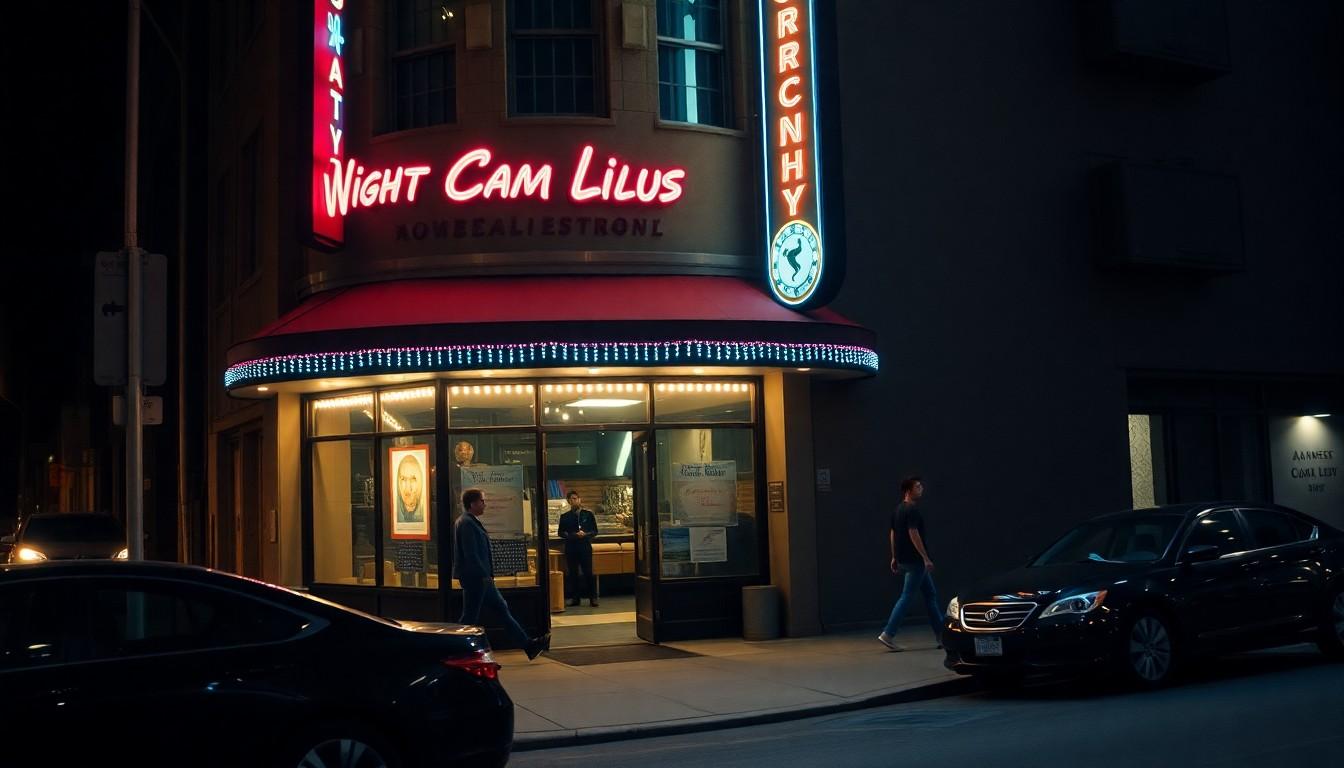
Queer Los Angeles nightclubs are back on Facebook and Instagram after Meta removed their pages, prompting political pressure and public criticism. The reversal highlights how vital social platforms have become for nightlife businesses, while raising fresh questions about moderation, LGBTQ visibility and the risks of relying on one company to reach a community.
Essential Takeaways
- Accounts reinstated: Meta restored pages belonging to several queer Los Angeles nightclubs after their removals attracted attention.
- Pressure changed the outcome: Politicians, journalists and LGBTQ advocates challenged the decision before the pages returned.
- The impact was practical: Clubs depend on social media for event notices, ticket information and last-minute updates.
- It isn't an isolated worry: Queer venues in other cities have also reported Instagram suspensions or disappearing pages.
- Owners need a backup: Email lists, websites and alternative social channels can help keep audiences connected.
Queer nightclub pages disappeared without warning
For nightlife businesses, a vanished Instagram page isn't a minor inconvenience. It's more like someone quietly taking the sign off the front door just before the evening crowd arrives. The affected Los Angeles clubs reportedly lost access to Facebook and Instagram accounts that helped customers find events, performers and opening information.
According to Out, the removals quickly became a wider concern because these venues serve communities that already rely heavily on trusted local networks. When an account disappears, regulars may not know whether a club has closed, changed its name or simply been caught in a platform error.
Meta's services are particularly important to smaller venues without large marketing teams. A single post can announce a DJ night, promote a drag show or warn guests about a schedule change, all with far less cost than traditional advertising.
Public pressure pushed Meta towards a reversal
The pages were restored only after the suspensions drew political and media scrutiny. The Pink Times reported that the company reversed course following growing pressure, turning what might have remained a quiet account dispute into a public test of platform accountability.
That sequence matters. Automated moderation can move quickly, but appeals often feel slow and opaque, especially for businesses operating in nightlife, where terms such as "club", "adult" and "sexual" can trigger extra scrutiny even when content follows the rules.
The episode also underlines an awkward truth about digital visibility: a business can build an audience for years, yet still lose access at the click of a moderation decision. The recovery is welcome, but it doesn't explain why the pages were removed in the first place.
This isn't the first warning for queer venues
The concern stretches beyond Los Angeles. Go Magazine reported that another San Francisco queer bar faced an Instagram suspension, suggesting that the problem isn't limited to one city or one group of accounts.
Separate reporting from the Los Angeles Times also examined why queer nightclubs have been disappearing from Facebook and Instagram. Taken together, these reports point to a recurring tension between broad safety systems and the realities of LGBTQ nightlife, where expressive imagery, nightlife language and community organising often overlap.
For venue owners, the lesson is uncomfortable but useful. Instagram can be excellent for discovery, yet it's a fragile foundation for customer communication when a business has no direct way to reach followers.
How clubs can protect their audiences
The simplest safeguard is to build channels Meta doesn't control. A regularly updated website, an email newsletter and a text-message list can preserve contact with customers if a social account is restricted. Clear event pages also give people somewhere reliable to check dates, ticket links and accessibility details.
Clubs should keep screenshots of account notices, save copies of important posts and make sure more than one trusted staff member can access business accounts. A calm, documented appeal is easier when the venue can show its identity, ownership and legitimate purpose.
It also helps to use several platforms rather than treating one feed as the entire marketing plan. That may sound obvious, but busy nightlife teams have enough on their plates already. A basic backup system can prevent a vanished profile from becoming a cancelled night.
Visibility online still carries real weight
Queer venues aren't just commercial brands. They're meeting places, cultural spaces and, for many customers, part of the social infrastructure of a city. That makes a sudden digital disappearance feel bigger than a technical glitch.
MyGayPrides described the restoration as something Meta had to be shamed into doing, capturing the frustration behind the response. The phrase is pointed, but it reflects why the incident resonated: the accounts returned after outside attention, not because the original decision was clearly explained.
Meta's restoration is a positive outcome for the clubs and their audiences. Still, the next test is whether platforms can offer clearer moderation decisions, faster appeals and more dependable support for legitimate LGBTQ businesses before the next page disappears.
A social feed can fill a room, but it shouldn't be the only way to find one.
Source Reference Map
Story idea inspired by: [1]
Sources by paragraph: