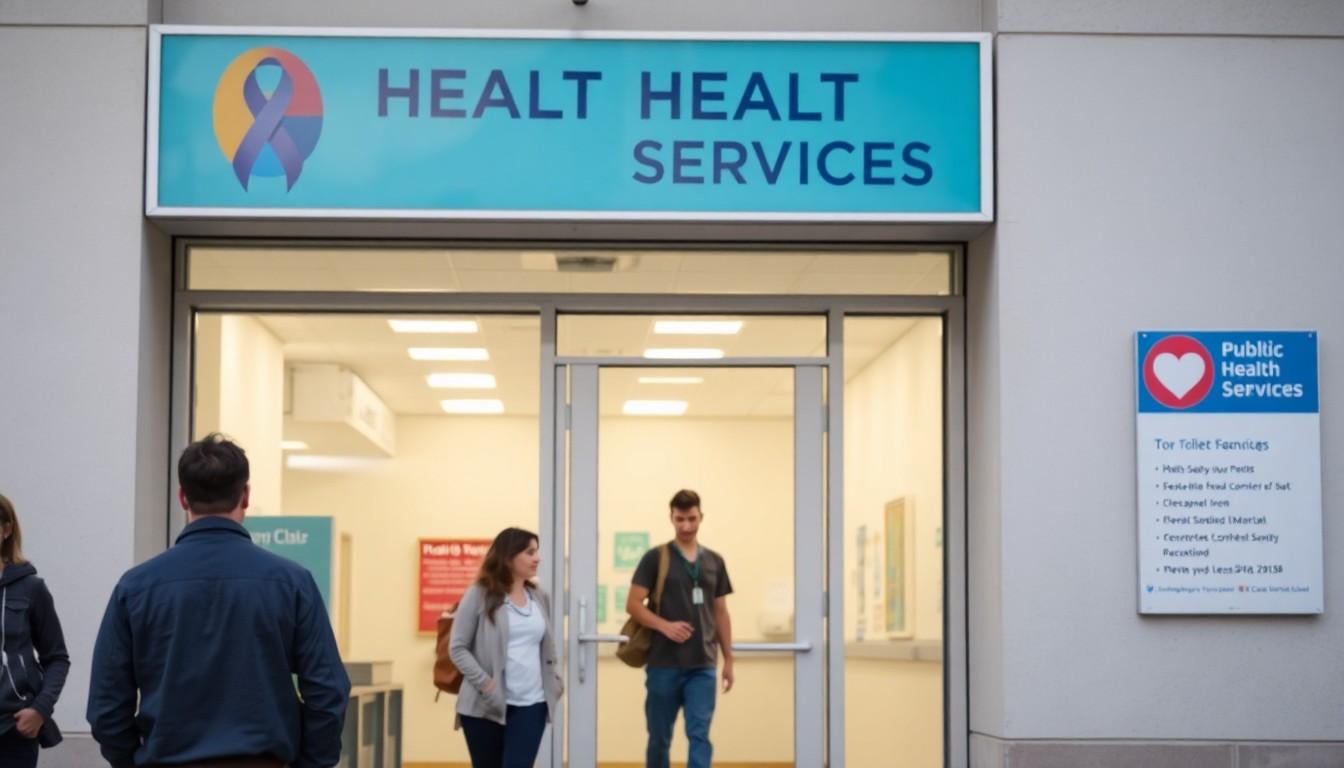
Young people are growing up during a remarkable era of HIV treatment and prevention, yet many still feel poorly informed about the virus. GLAAD's latest stigma research highlights a widening knowledge gap, as social media, podcasts and AI increasingly shape health conversations in the United States.
Essential Takeaways
- Gen Z knowledge is lagging: Only 31% of Gen Z respondents said they felt knowledgeable about HIV, compared with 49% of US adults overall.
- U=U changes the picture: People living with HIV who maintain an undetectable viral load through treatment cannot sexually transmit the virus.
- Digital silence matters: HIV appears infrequently in podcasts and social feeds, leaving old myths with more room to spread.
- Visibility can reduce fear: Accurate stories about people living healthy, active lives can challenge stigma more effectively than statistics alone.
- Cuts could deepen the gap: Reduced funding for HIV services and education risks weakening public understanding further.
HIV treatment has transformed lives, but public knowledge hasn't caught up
The most important fact is also the one most likely to be missed: modern HIV treatment has changed the virus from a life-threatening diagnosis into a manageable health condition for many people. Antiretroviral therapy can suppress the virus to undetectable levels, while PrEP offers highly effective prevention for people who may be exposed to HIV.
That progress is captured in U=U, or Undetectable equals Untransmittable. As GLAAD explains in its stigma work, a person living with HIV who takes treatment and maintains an undetectable viral load has no risk of sexually transmitting HIV to a partner. It's a quietly revolutionary message, although it still hasn't reached everyone who needs to hear it.
The GLAAD report draws on a survey of 2,500 people, including an additional sample of LGBTQ+ respondents. According to HIV Law and Policy's summary of the research, the findings underline a familiar problem in public health: scientific breakthroughs can move quickly, while everyday understanding crawls behind. [2]
Why younger people are missing essential HIV information
Only 31% of Gen Z respondents said they felt knowledgeable about HIV, compared with 49% of adults generally. Older generations reported higher levels of confidence, including 49% of millennials and 60% of Generation X respondents.
That reversal is striking. Younger people have come of age with better treatment, stronger prevention tools and clearer evidence around transmission, yet they're less likely to feel informed. The issue isn't simply a lack of interest. It's also a lack of regular, accessible information in the places where they spend time.
AIDS.org has linked rising concern around HIV among Gen Z with gaps in awareness, prevention and testing. When sex education is inconsistent and online health content is patchy, young people can end up learning from snippets, rumours or confident-sounding posts that leave out crucial context. [5]
Social media's silence leaves room for outdated myths
TikTok, podcasts and artificial intelligence now sit alongside schools, clinics and traditional news as sources of health information. But HIV isn't appearing often enough in those spaces to correct old assumptions.
The GLAAD findings indicate that just 15% of Americans recall seeing a story about someone living with HIV during the previous year. Analysis of podcast transcripts found HIV mentioned in only 0.09% of episodes, according to GLAAD's published key findings. That's a remarkably small footprint for an issue affecting millions of people worldwide. [4]
The result is a strange contradiction: HIV is less visible at precisely the moment when misinformation can travel fastest. The Body's coverage of the report noted that false or outdated ideas continue to complicate efforts to challenge stigma. If accurate stories disappear from people's feeds, the myths don't politely log off. [6]
Representation matters as much as medical facts
Facts are essential, but people also need to see what those facts look like in real life. Stories about people living with HIV who work, date, raise families, make art and contribute to their communities can make U=U feel tangible rather than abstract.
GLAAD's earlier stigma reporting has consistently argued that visibility and personal storytelling help shift public attitudes. The organisation's 2023 campaign materials also emphasised the importance of replacing fear-based narratives with current information about treatment, prevention and everyday life. [3]
That matters particularly for LGBTQ+ communities, which have often been targeted by HIV stigma and misinformation. A clinical explanation may reassure one reader, while a familiar face or honest conversation may reach another. Good public education needs both.
What readers should know about HIV today
The basics are straightforward. HIV is transmitted through specific bodily fluids, not through casual contact such as hugging, sharing food or sitting beside someone. Testing remains important, treatment works, and PrEP can help prevent HIV before exposure.
For anyone seeking personal advice, a sexual health clinic or GP is the right place to discuss testing, PrEP, treatment or post-exposure medication. Online information can be useful, but it shouldn't replace professional guidance, especially when posts are anonymous or make sweeping claims without evidence.
The World Economic Forum has previously highlighted the role media can play in either reinforcing or reducing HIV stigma. That makes journalists, creators and platforms part of the public-health picture, not just observers of it. [7] As one human reflection, it's hard to expect young people to understand a medical revolution they rarely see explained in plain English.
Better communication could make the next generation safer
GLAAD's latest report arrives as HIV programmes face funding pressure in the US. Less investment in education, testing and community outreach could make the information gap harder to close, particularly for people who already face barriers to healthcare.
The answer isn't to frighten young people into paying attention. It is to meet them with concise, accurate and repeatable messages, delivered by trusted voices and adapted for the platforms they actually use. That means more creators discussing U=U, more honest stories about treatment, and clearer signposting to clinics and reliable resources.
Scientific progress has already done much of the heavy lifting. Now public communication needs to catch up.
A better-informed generation is one small but powerful step towards ending HIV stigma.
Source Reference Map
Story idea inspired by: [1]
Sources by paragraph:
- Paragraph 1: [2], [4]
- Paragraph 2: [3], [4]
- Paragraph 3: [2], [5]
- Paragraph 4: [5], [6]
- Paragraph 5: [4], [6]
- Paragraph 6: [3], [7]
- Paragraph 7: [3], [7]
- Paragraph 8: [5], [6]
- Paragraph 9: [7], [4]
- Paragraph 10: [2], [3]
- Paragraph 11: [4], [7]
- Paragraph 12: [2], [5]
- Paragraph 13: [3], [6]
- Paragraph 14: [4], [7]