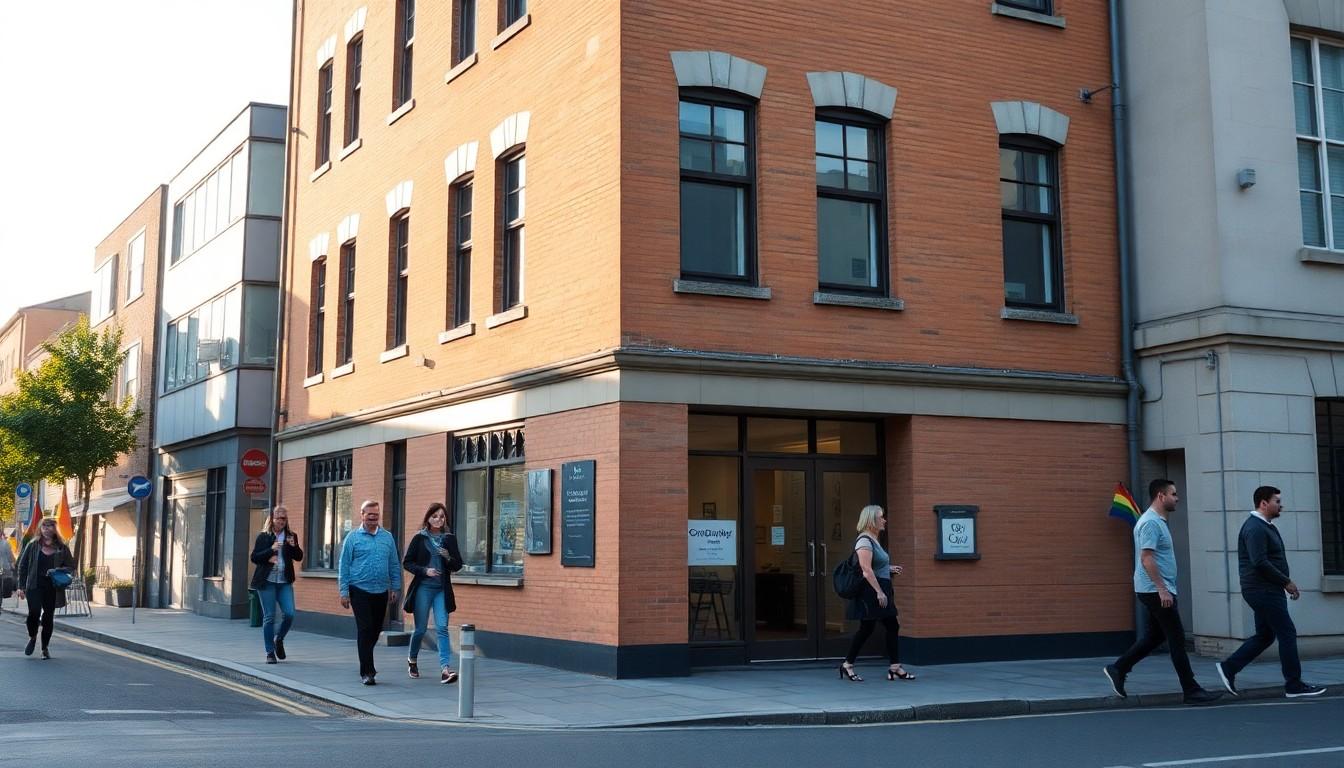
Communities, universities and allies are marking Bi Visibility Day on 23 September 2026, celebrating bisexual lives while challenging the assumptions that can make them harder to see. From flag-raising ceremonies to campus events, the day offers a welcoming prompt to learn, listen and show support.
Essential Takeaways
- The date: Bi Visibility Day takes place annually on 23 September.
- The origins: Activists Wendy Curry, Gigi Raven Wilbur and Michael Page launched the celebration in 1999.
- The purpose: It combines community celebration with a push against bisexual invisibility.
- The reach: Events now span community groups, universities, workplaces and public institutions.
- The wider calendar: Many organisers also recognise Bi Visibility Week or longer awareness campaigns.
A celebration with a clear purpose
Bi Visibility Day is more than a colourful date on the equality calendar. It gives bisexual people a chance to celebrate openly, while reminding everyone else that bisexuality deserves recognition in its own right.
That distinction matters because bisexual people can be overlooked both inside and outside LGBTQ+ spaces. Awareness days won't solve that problem alone, of course, but they can open useful conversations and make support easier to find. Cultureally lists the day as part of the wider diversity and inclusion calendar, helping organisations plan timely activity. [5]
The familiar bisexual flag, with its pink, purple and blue bands, also brings a strong visual identity to events. For many people, seeing it displayed in a workplace, campus or town centre can feel surprisingly reassuring.
How 23 September became the date
The observance began in 1999, created by three American bisexual activists: Wendy Curry, Gigi Raven Wilbur and Michael Page. The date was chosen to coincide with Wilbur's birthday, giving the celebration a personal starting point as well as a community focus.
It was initially known as International Celebrate Bisexuality Day. Over time, the emphasis broadened from celebrating existing groups and projects to challenging the lack of visibility that many bisexual people experience.
That shift explains why the modern name feels more purposeful. Celebration remains central, but visibility makes the message harder to miss. PCS lists 23 September as Bisexuality Visibility Day, reflecting the date's established place in the annual events diary. [6]
From small gatherings to a global event
Early celebrations were modest, with only a handful of organised events. Today, Bi Visibility Day is recognised internationally, with activities ranging from public statements and educational sessions to social meet-ups and flag-raising ceremonies.
Berlin, for example, has hosted flag-raising events designed to make bisexual inclusion visible in public spaces. Those simple ceremonies may look understated, but a flag outside a civic building sends a clear message about belonging. [2]
Universities have also become important venues. Hofstra University promotes a dedicated Bi Visibility Day event, while the University of Sussex has highlighted the occasion for its staff community. [3] [4] These events can be particularly valuable for students and employees who are still working out where they fit.
Why the date sometimes becomes a week
A single weekday can be awkward for organisers, especially when it lands alongside university term dates, workplace commitments or major public events. As a result, many groups now spread activity across Bi Visibility Week, often during the seven days leading up to 23 September.
That flexibility makes practical sense. A discussion can happen at lunchtime, a social gathering can take place at the weekend, and an organisation can publish resources over several days rather than squeezing everything into one date.
Awareness Days includes the occasion among its annual observances, while institutional listings show how widely the date is now used for planned events. [7] [4] The result is a broader window for participation, which is helpful if your local event calendar looks a little thin on the day itself.
Simple ways to show meaningful support
For allies, support doesn't need to be elaborate. Sharing accurate information, using inclusive language and making space for bisexual voices are useful starting points. Organisations can also review whether their equality policies and staff resources mention bisexuality specifically, rather than folding every experience into a vague LGBTQ+ heading.
If you're attending an event, approach it with curiosity rather than assumptions. Bisexual people aren't required to prove their identity through their relationship status, appearance or dating history, and nobody owes a personal explanation.
The most effective support is usually steady rather than spectacular. A visible flag is welcome, but so is a workplace that takes bisexual inclusion seriously on an ordinary Tuesday.
Bi Visibility Day shows how a small community celebration can grow into a lasting international reminder: being seen still matters.
Source Reference Map
Story idea inspired by: [1]
Sources by paragraph: