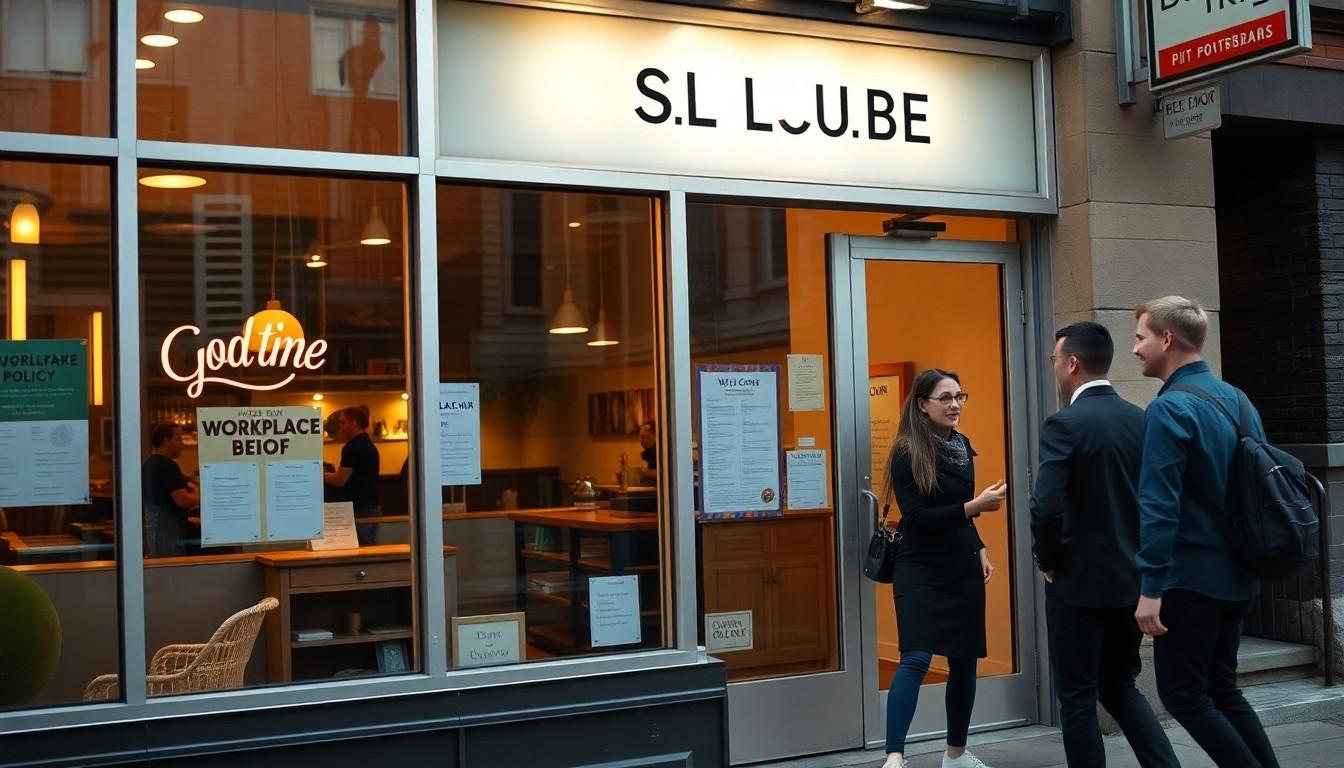
Employees are looking beyond rainbow logos for workplaces where LGBTQ+ inclusion feels real in everyday life. From respectful language and fair benefits to visible leadership support, a genuinely LGBTQ-friendly workplace can reduce stress, strengthen belonging and help people do their best work.
Essential Takeaways
- Psychological safety matters: People should be able to discuss their lives without fearing gossip, ridicule or career setbacks.
- Policies need substance: Benefits, parental leave, reporting systems and HR records should work fairly for LGBTQ+ employees.
- Managers set the tone: Inclusive leadership and quick responses to disrespect shape the wider culture.
- Pride needs purpose: Celebrations feel meaningful when they connect to year-round action rather than marketing alone.
- Everyone benefits: Respectful workplaces can improve collaboration, retention and the sense of belonging across the organisation.
Inclusion starts with ordinary conversations
The clearest sign of an LGBTQ-friendly workplace often appears in a small, unremarkable moment. An employee mentions their partner, shares a family photo or brings someone they love to a staff event, and nobody makes it awkward.
That everyday ease matters. Workers who don't have to constantly edit their personal lives spend less energy monitoring how others might react, according to research and workplace guidance from McKinsey. The result isn't just personal relief. It can make communication more open and teamwork more natural.
A genuinely inclusive culture is therefore felt in the room, not simply read in an employee handbook. The quiet details often tell the truth.
Policies have to work in real life
A non-discrimination statement is useful, but it's only the starting point. LGBTQ-inclusive employers also need fair health benefits for same-sex partners, family leave that recognises different routes to parenthood, and clear procedures for reporting harassment.
Practical systems matter, too. Chosen names and pronouns should be handled respectfully in HR platforms, while dress codes, facilities and internal forms shouldn't force people into uncomfortable categories. The Centre for National Banking guidance highlights these everyday measures as important building blocks for a more inclusive workplace.
Employees also notice whether policies are easy to use. A benefit that exists on paper but requires awkward explanations, or a complaint process that feels risky, won't create much confidence.
Managers make the culture believable
Senior leaders may approve the policy, but line managers determine how it feels on a Tuesday afternoon. They can model inclusive language, challenge inappropriate jokes and make it clear that disrespect isn't part of the job.
Active allyship is more than displaying a badge or posting during Pride. McKinsey's workplace guidance points to practical support, including speaking up, listening to LGBTQ+ colleagues and helping create conditions where people can participate fully.
Employee resource groups can add another layer of support. They may offer mentoring, peer connection and a channel for raising concerns, although they shouldn't be expected to carry the entire responsibility for inclusion. That belongs to leadership and the organisation as a whole.
Why belonging can improve performance
People tend to contribute more freely when they feel accepted. Research gathered by the Nature Index connects LGBTQ+ inclusion policies with wider questions of workplace performance and organisational quality, while business research has repeatedly linked belonging with engagement and retention.
The commercial argument isn't the only reason to act, and it shouldn't be. Still, employers that welcome different experiences can draw from a broader talent pool and benefit from teams where people are more willing to share ideas. A kitchen, office or laboratory works better when staff aren't spending the day wondering whether they fit in.
Deloitte's inclusion work also underlines the wider value of supportive cultures. The habits learned here, such as respectful communication and calling out exclusion, can help other underrepresented groups too.
Pride is meaningful when the work continues
A rainbow logo in June can be welcome, but employees quickly notice whether it disappears when the month ends. Sincere celebrations work best when they're connected to training, fair policies, visible support and clear accountability.
That means reviewing employee feedback, checking whether benefits are genuinely accessible and investigating complaints promptly. It also means accepting that LGBTQ+ employees aren't one homogenous group. Their experiences can differ by race, disability, age, gender identity, family status and role.
The strongest employers treat inclusion as an ongoing practice rather than a finished project. As scholarship on LGBTQ+ inclusion and firm performance continues to develop, the message is becoming harder to ignore: respect isn't decorative. It's part of how a healthy organisation operates.
A welcoming workplace isn't created by a slogan. It's built through the small, steady choices that let people bring their whole selves to work.
Source Reference Map
Story idea inspired by: [1]
Sources by paragraph: