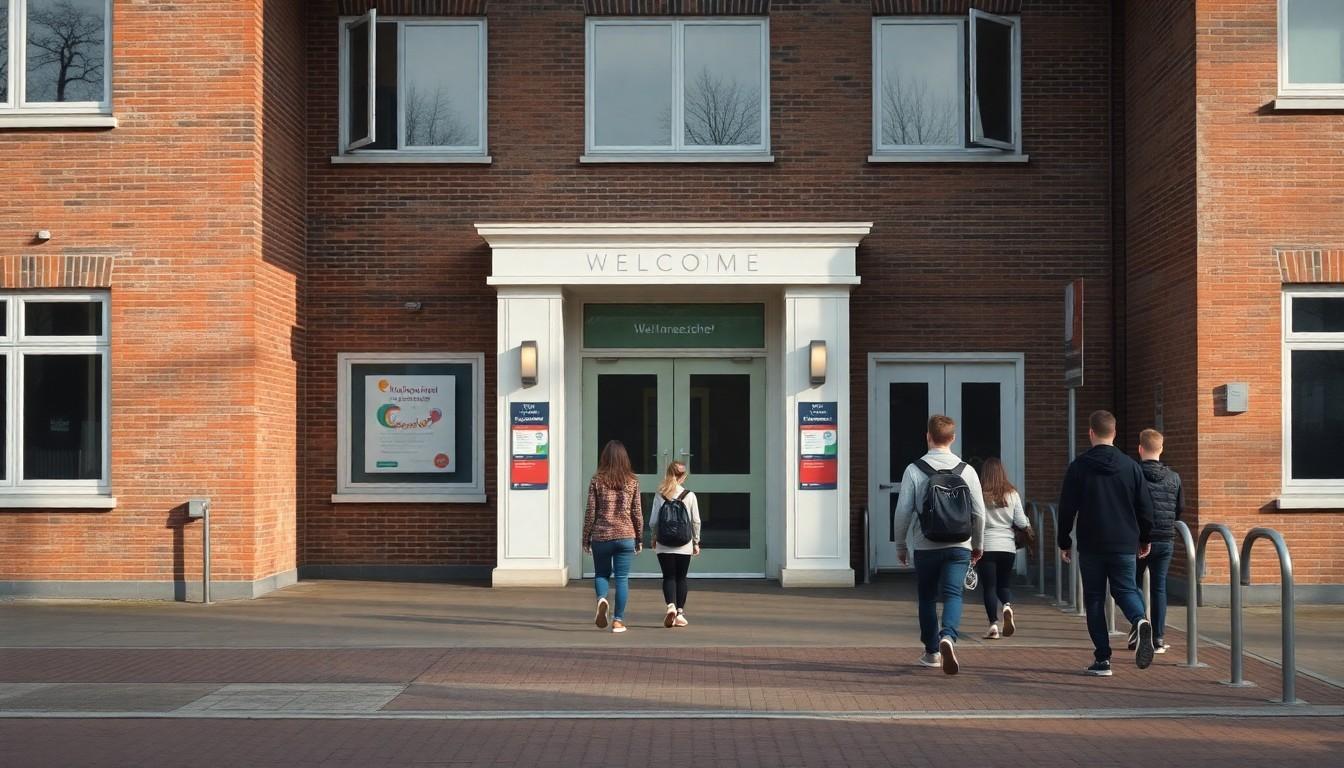
Schools are facing renewed pressure to protect LGBT+ pupils and promote respect, with Purple Friday becoming a visible test of how seriously they take inclusion. From primary classrooms to secondary corridors, practical rules, regular teaching and firm action against bullying can help create a safer environment for everyone.
Essential Takeaways
- Tolerance needs structure: One-off awareness days work best alongside regular lessons about respect and diversity.
- Safety comes first: Bullying, harassment, threats and discriminatory language need clear consequences.
- Purple Friday matters: The annual event gives schools a practical way to discuss LGBT+ inclusion and belonging.
- Parents have a role: Schools should involve families when behaviour repeatedly breaches inclusion or safety rules.
- Support must be visible: Pupils who are targeted need prompt help, trusted adults and follow-up.
A safe school cannot be taken for granted
A school corridor should feel noisy, busy and slightly chaotic, not threatening. Yet for LGBT+ pupils and other young people who stand out from the majority, an offhand remark or hostile joke can quickly turn an ordinary day into something far more uncomfortable.
The debate has sharpened as research points to declining acceptance among some young people. That makes the school response especially important. According to guidance from the Dutch Ministry of Education, a respectful Purple Friday depends on preparation, clear expectations and active supervision, rather than simply asking pupils to wear purple. [4]
Schools also need to remember that safety is broader than physical protection. Social safety includes whether pupils can speak, learn and take part without being mocked or excluded. Parents and Education notes that bullying prevention should be part of a wider school approach, with staff recognising problems early and supporting both targeted pupils and the wider group. [3]
Why Purple Friday is more than a colour
Purple Friday is designed to make LGBT+ identities and relationships visible in an accessible way. A purple jumper, flag or classroom activity might look small, but the message is straightforward: everyone should be able to belong at school. Educational guidance describes the day as an opportunity to discuss diversity, gender identity and sexual orientation in age-appropriate language. [2]
That doesn't mean every school needs a loud celebration. Some communities may prefer lessons, library displays or a quiet discussion led by a trusted teacher. The key is that participation shouldn't become a popularity contest, and pupils who take part shouldn't be left exposed to teasing afterwards.
Resources for primary schools show how inclusion can be introduced without making the subject unnecessarily complicated. Stories, classroom conversations and activities about different families can help younger pupils understand that difference is ordinary, not alarming. [7] In other words, the groundwork can start well before secondary school.
Clear rules make inclusion credible
Good intentions won't carry much weight if discriminatory behaviour is brushed aside. Pupils need to know what crosses the line, how to report it and what will happen next. That includes slurs, online abuse, intimidation, deliberately excluding someone and disrupting lessons about diversity.
A school's policy should be easy to find and consistently applied. The Ministry's checklist recommends practical preparation for Purple Friday, including staff coordination, attention to safeguarding and a plan for responding to resistance or incidents. [4] That sort of planning may sound administrative, but it prevents teachers from improvising when tensions rise.
Schools should also distinguish between a question asked in good faith and conduct that targets another pupil. Respectful discussion is valuable, but it isn't a licence to demean classmates. A calm, firm boundary is often more effective than a dramatic confrontation.
What schools can do before the big day
Preparation starts with the adults. Staff should agree on language, understand the school's reporting process and know which pupils may need extra support. They can then introduce Purple Friday through lessons that fit the age group, rather than dropping the topic into one hurried assembly.
A visible symbol can help set the tone. Guidance on Purple Friday flags presents them as a simple way for schools to show solidarity and signal that LGBT+ pupils are welcome. [5] Still, a flag on its own is only a starting point. It needs to sit alongside teaching, pastoral care and enforcement.
Primary schools can keep activities concrete and warm, while secondary schools may explore stereotypes, online culture, relationships and the pressures young people place on one another. Some schools already combine diversity work with wider activities, giving pupils more than one route into the conversation. [6]
Supporting pupils after the posters come down
The most revealing moment may come after Purple Friday. If a pupil is mocked for wearing purple, challenged online or excluded from a group, staff need to respond quickly and privately. Affected pupils should know which adult they can approach, and schools should check in again rather than assuming the problem has disappeared.
Parents should be contacted when behaviour is repeated or serious. At the same time, schools need to avoid placing the burden on the pupil who was targeted. Asking a child to explain, defend or repeatedly relive what happened can make support feel like another ordeal.
The wider culture matters, too. Staff who challenge casual prejudice, use inclusive language and model disagreement without humiliation are teaching even when no worksheet is open. As one school activity programme illustrates, diversity works best when it becomes part of everyday school life rather than a single annual event. [6]
The next step is consistency
Schools won't change attitudes with one campaign, however well organised. They need regular teaching, trusted reporting routes and consequences that pupils recognise as fair. That approach can also help schools handle disagreement without allowing hostility to dominate the room.
For families, a useful question is simple: what happens if a pupil feels unsafe? A strong answer should include a named contact, a clear procedure and evidence that staff follow up. If the answer is vague, the school's inclusion message may be more decorative than real.
Purple Friday can open the door, but everyday behaviour decides whether pupils feel welcome. As guidance for schools makes clear, inclusion is strongest when visibility, education and safeguarding work together. [2]
Make safety a daily practice, not just a purple-themed event.
Source Reference Map
Story idea inspired by: [1]
Sources by paragraph: