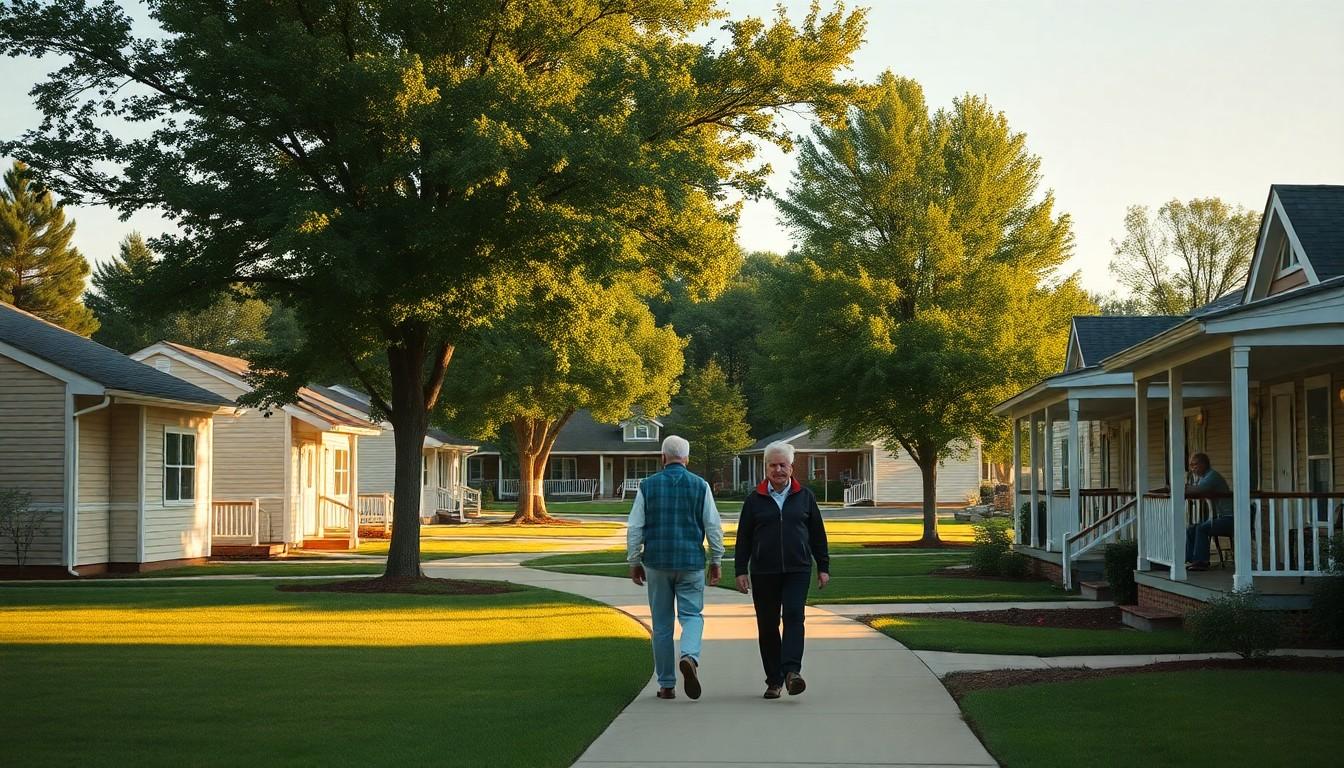
Older LGBTQ+ adults are finding that community-led housing can offer more than a roof overhead. At Village Hearth in Durham, North Carolina, residents describe a safer, more welcoming way to age, while health researchers and care organisations highlight the importance of culturally competent support for people who may otherwise face isolation, guardedness and a shortage of understanding.
Essential Takeaways
- Community matters: Shared spaces and regular activities can ease loneliness and build lasting connections.
- Affirming care helps: LGBTQ+-focused services can make older adults feel recognised rather than merely accommodated.
- Village Hearth is distinctive: The Durham co-housing community combines private homes with collective responsibilities and social life.
- Experience shapes needs: Many older LGBTQ+ adults carry memories of discrimination, stigma and community loss.
- Training is practical: Cultural competency programmes can help care providers offer more respectful, informed support.
A home where nobody has to explain themselves
The most striking benefit of LGBTQ+ co-housing isn't simply the pastel homes or wooded setting. It's the quiet relief of not having to second-guess every conversation, visitor or display of affection. Residents at Village Hearth say that being surrounded by people who understand their lives has helped them feel safer and more at ease.
The Durham community opened in 2020 after Pat McAulay and Margaret Roesch spent years exploring how they could avoid isolation in later life. Village Hearth now includes almost 30 homes across 15 acres, with shared areas designed to encourage everyday contact rather than leave neighbours as strangers. North Carolina Health News reported that residents value both the security and the sense of recognition that comes from an LGBTQ+-focused setting.
That distinction matters. A housing scheme can be welcoming without being built around LGBTQ+ lives, histories and relationships. For some residents, the difference is the emotional equivalent of finally unclenching your shoulders.
Why isolation can weigh particularly heavily
Older LGBTQ+ adults may face many of the same challenges as their peers, but they can also contend with family estrangement, discrimination and fear of being misunderstood by services. Research published through the University of Michigan's National Poll on Healthy Aging found that LGBTQ+ adults over 50 were less likely than non-LGBTQ+ adults to feel confident about receiving support from family, friends and community resources.
The same research found higher levels of reported loneliness and poorer mental health among LGBTQ+ older adults. Healthline, in its discussion of support for LGBTQIA+ elders, also emphasised the value of social connection, affirming healthcare and services that recognise the particular experiences of older queer people.
Those experiences can stretch back decades. SAGECare's work on LGBTQ+ cultural competency points to the long shadow of stigma, including the grief and trauma associated with the AIDS epidemic. For someone who has spent a lifetime deciding where it's safe to be open, moving into care can feel like surrendering control over their sanctuary.
Co-housing turns neighbours into a support network
Village Hearth's model is more hands-on than a conventional retirement development. Residents own their homes, share responsibility for the wider community and take part in everything from landscaping and governance to group meals. There are committees, practical jobs and, inevitably, disagreements, but that involvement is part of the appeal.
The community's own description of its structure shows how co-housing is designed to encourage participation rather than passive residence. Shared dinners and communal spaces create natural opportunities for conversation, while individual homes preserve privacy when residents want a quieter evening.
This balance is important for older adults who want support without losing independence. A neighbour may help with a suitcase or a minor task, but the arrangement doesn't automatically turn every resident into a patient. Instead, it builds a culture in which asking for help feels ordinary, not embarrassing.
What affirmative care looks like in practice
Housing is only one piece of the puzzle. Older LGBTQ+ adults also need doctors, therapists, social workers and care staff who understand their communities and don't treat identity as an awkward side note. The Inclusive Communities Directory lists Village Hearth as an intentional community, while co-operative housing coverage highlights its shared decision-making model and LGBTQ+-centred purpose.
For families comparing care options, useful questions include whether staff receive LGBTQ+ cultural competency training, whether partners are treated equally, and how forms, records and visiting policies reflect different family structures. It's also worth asking how complaints are handled and whether residents can access affirming mental health support.
Researchers at the University of North Carolina Greensboro have been examining what LGBTQ+ older adults actually want from mental health services. That approach is sensible: support works best when it starts with listening, rather than assuming every member of a diverse community needs the same thing.
A model with lessons beyond North Carolina
Village Hearth isn't a universal answer. Co-housing requires money, organisation, compromise and a willingness to take part in communal life. The homeowners' association structure means residents share both the rewards and the less glamorous work of keeping a community running.
Even so, the project offers a useful lesson for planners, charities and care providers. Older LGBTQ+ adults aren't asking only for a rainbow sticker on a brochure. They want environments where their relationships are ordinary, their histories are respected and their safety doesn't depend on constantly assessing the room.
As more people reach later life with openly LGBTQ+ identities, demand for thoughtful housing and care is likely to grow. A welcoming home can be lovely, but a genuinely affirming community may be what makes ageing feel less like retreat and more like belonging.
It's a small shift in design and attitude, but it can make later life feel far less lonely.
Source Reference Map
Story idea inspired by: [1]
Sources by paragraph:
- Paragraph 1: [2], [3]
- Paragraph 2: [2], [4]
- Paragraph 3: [5], [6]
- Paragraph 4: [2], [5]
- Paragraph 5: [3], [7]
- Paragraph 6: [3], [4]
- Paragraph 7: [5], [6]
- Paragraph 8: [4], [7]
- Paragraph 9: [2], [6]
- Paragraph 10: [3], [4]
- Paragraph 11: [5], [6]
- Paragraph 12: [2], [3]
- Paragraph 13: [4], [7]
- Paragraph 14: [2], [5]