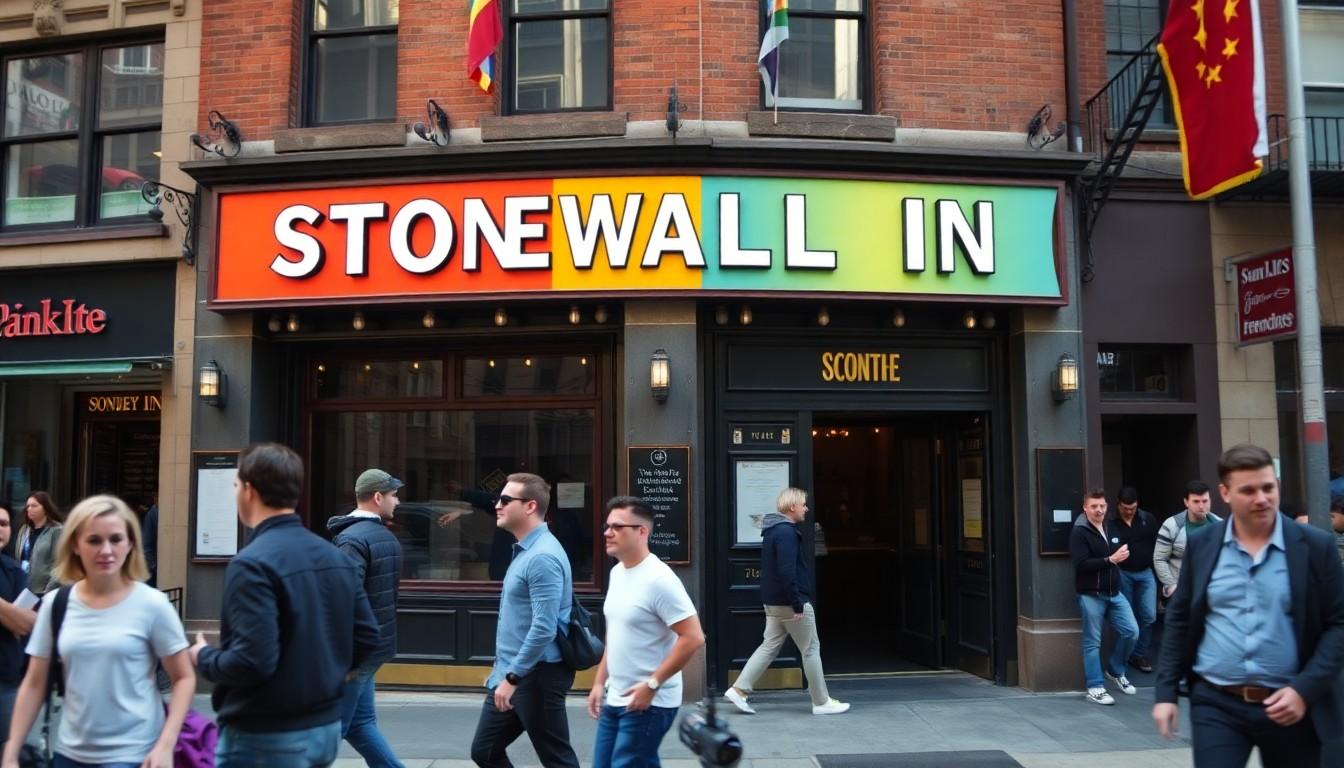
Dutch Prime Minister Rob Jetten has visited New York’s Stonewall Inn, linking the historic site’s legacy to his government’s message on human rights. The Netherlands’ first openly gay prime minister described the visit as both moving and politically significant, ahead of his scheduled address to the United Nations General Assembly.
Essential Takeaways
- Historic setting: The Stonewall Inn became a national monument after the 1969 uprising against discrimination and police violence.
- Personal milestone: Rob Jetten became the Netherlands’ first openly gay prime minister in February.
- Human rights message: Jetten said the Netherlands supports everyone’s right to live openly, safely and proudly.
- International role: He’s due to speak at the United Nations General Assembly later this week.
- Wider LGBTQ+ leadership: Jetten recently appeared at a World Pride conference alongside other openly LGBTQ+ political figures.
A symbolic stop at a landmark of LGBTQ+ history
The Stonewall Inn has long been more than a bar. Its dark windows and familiar frontage represent the moment when years of pressure boiled over into resistance, helping ignite a modern global LGBTQ+ rights movement.
That history was central to Rob Jetten’s visit. According to the Washington Blade, the Dutch leader described the site as the starting point for LGBTQ+ activism and emancipation, while recognising its status as a national monument. The setting gave his remarks a sense of place that no formal government office could quite match.
Why Jetten’s visit carries personal weight
Jetten’s position adds another layer to the occasion. He became the Netherlands’ first openly gay prime minister in February, making a visit to Stonewall especially resonant as both a political appearance and a personal moment.
Dutch news outlet NL Times reported that Jetten connected the Stonewall legacy with a broader idea of freedom: LGBTQ+ rights aren’t a niche concern, but part of the wider defence of human rights. That’s an important distinction, particularly at a time when equality protections remain uneven across the world.
From Amsterdam to New York, LGBTQ+ leadership takes centre stage
The visit follows Jetten’s appearance at a World Pride Human Rights Conference in Amsterdam last month. He joined former Irish Prime Minister Leo Varadkar, former San Marino Captain Regent Paolo Rondelli and other current and former leaders who are gay or lesbian.
According to ABC7, those appearances have helped place openly LGBTQ+ leadership in a more visible international frame. Representation at the top can’t solve discrimination by itself, of course, but it does change who gets to speak about safety, dignity and public life from personal experience.
A message aimed well beyond the Stonewall Inn
Jetten said the Netherlands stands with the Stonewall community and with anyone who wants to live openly, safely and with pride, regardless of identity or whom they love. It was a clear statement, but the location did much of the emotional work.
His planned address to the UN General Assembly will offer a larger stage for that message. The Stonewall Inn is intimate, historic and unmistakably local; the United Nations is global and diplomatic. Together, the two appearances suggest a deliberate effort to connect grassroots resistance with international policy.
Why historic places still matter
There’s a temptation to treat landmarks such as Stonewall as frozen snapshots, preserved behind glass and safely separated from the present. But Jetten’s visit underlines why these places remain useful: they remind visitors that rights were won through ordinary people taking extraordinary risks.
For LGBTQ+ communities, that memory can feel both comforting and urgent. The past offers pride, but it also leaves a practical lesson: progress needs defending, loudly and repeatedly. As Jetten’s visit showed, even a short stop at a famous bar can carry a remarkably wide message.
It's a small doorway with a global history, and its message still travels.
Source Reference Map
Story idea inspired by: [1]
Sources by paragraph: