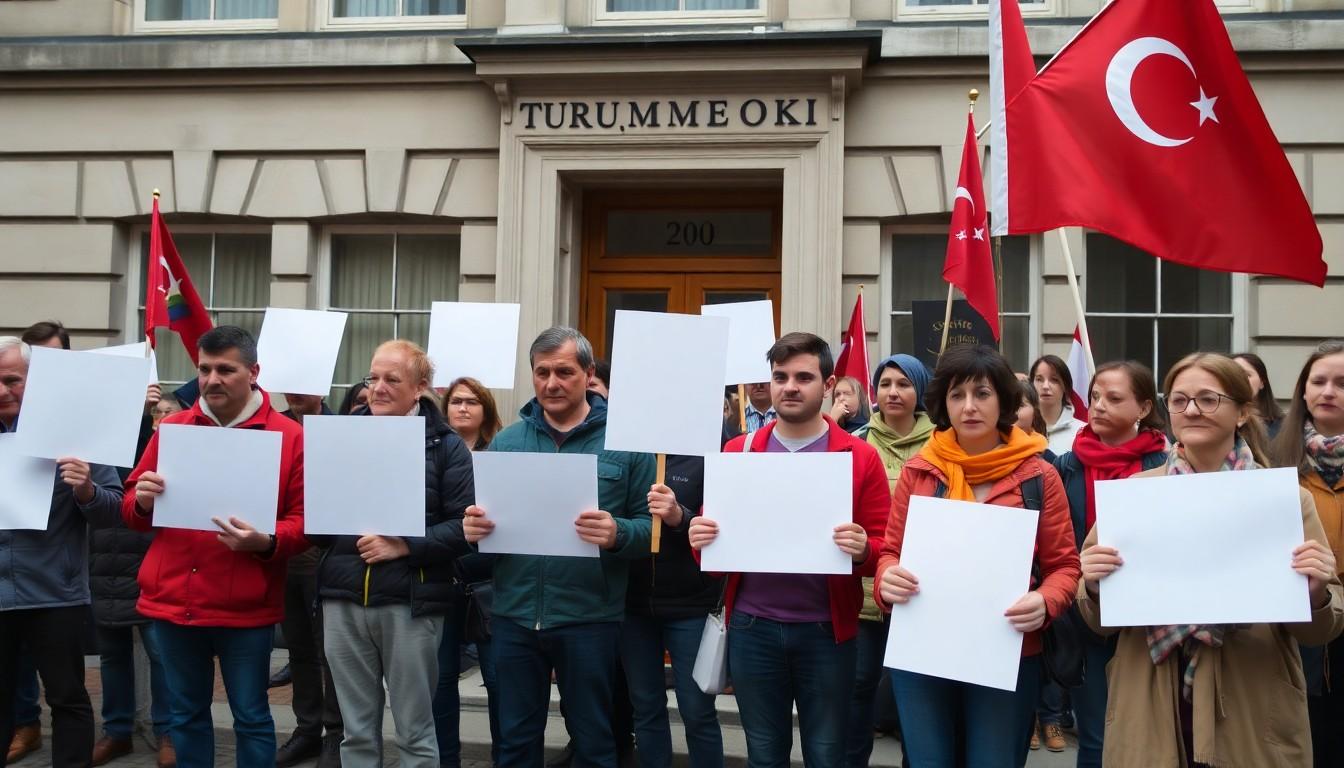
Supporters gathered outside Türkiye’s Dublin embassy to stand with LGBTQ+ people facing arrests, venue raids and growing pressure at home. The demonstration brought politicians, community groups and activists together, calling on Ireland to condemn the crackdown and use its European influence to defend queer people’s safety, dignity and right to organise.
Essential Takeaways
- Dublin solidarity: Protesters gathered outside the Turkish Embassy in Ballsbridge, waving rainbow flags.
- Wider crackdown: Authorities raided LGBTQ+ venues, organisations and private homes across multiple Turkish provinces.
- Detentions reported: Dozens were arrested during the raids and further detentions followed at a courthouse demonstration.
- Irish pressure: Activists urged the Government to raise the issue through European institutions.
- Long-running concern: The raids come amid years of restrictions on LGBTQ+ gatherings, including Istanbul Pride.
Dublin voices raise the alarm
Rainbow flags and protest signs appeared outside the Turkish Embassy in Ballsbridge as demonstrators gathered to support Türkiye's LGBTQ+ community. The atmosphere was serious rather than sombre, with campaigners making a clear demand: Ireland should not remain quiet while queer people face raids, arrests and intimidation. Al Jazeera reported that the Turkish operation targeted LGBTQ+ spaces and support networks across the country. [4]
The Dublin action was organised by Labour LGBTQ+ and attracted politicians, non-profit representatives and community advocates. It formed part of a broader international response, with solidarity demonstrations also reported in cities including London, Washington and Athens. That international spread matters because pressure on LGBTQ+ rights rarely stays within one border; activists often rely on cross-border visibility when domestic organising becomes dangerous. UPI reported that the raids affected several locations and involved arrests. [3]
What happened during the Turkish raids?
Turkish authorities launched coordinated operations across a number of provinces, targeting queer venues, organisations and private homes. Reports from the Washington Post and Los Angeles Times described the crackdown as affecting LGBTQ+ and HIV-support groups, highlighting concerns that the action could disrupt both community organising and access to essential services. [2], [5]
Dozens of people were detained during the initial operations, while further arrests followed during a demonstration outside an Istanbul courthouse. The reported scale of the investigation has added to fears that the action isn't limited to a single police operation, but forms part of a wider attempt to discourage LGBTQ+ people from meeting, campaigning or seeking support. The PinkNews reported that bars and LGBTQ+ groups were among those affected. [6]
Why the crackdown has caused wider concern
For Turkish LGBTQ+ people, the latest raids arrive against a backdrop of restrictions on public visibility and peaceful assembly. Istanbul Pride, one of the region's most prominent LGBTQ+ events, has faced bans for years, while activists have repeatedly warned that official rhetoric can make everyday life less safe.
The issue extends beyond nightlife or protest permits. Community spaces can provide legal advice, HIV support, mental-health resources and a rare sense of belonging. When those spaces are searched or closed, the impact is practical as well as symbolic. LGBTQ Nation reported that activists and groups were among those caught up in the nationwide operations. [7]
Ireland is being urged to use its influence
At the Dublin demonstration, campaigners called on Foreign Affairs Minister Helen McEntee and the Irish Government to condemn the raids through European channels. Their argument is straightforward: Türkiye is an EU candidate country and a member of the Council of Europe, so its treatment of LGBTQ+ people should be examined in light of its human-rights commitments.
That appeal also reflects Ireland's place within European politics. Irish LGBTQ+ activists said the country should use its diplomatic voice to support people facing repression, rather than treating LGBTQ+ rights as a secondary concern. The Washington Post and Al Jazeera both reported on the international significance of the Turkish crackdown and its effect on queer organisations. [4], [5]
A message that travels beyond Dublin
The demonstration's central message was simple but powerful: LGBTQ+ people in Türkiye should be able to live openly, meet safely and protest peacefully. Labour leader Ivana Bacik said the raids were frightening for those directly affected and sent a warning to anyone hoping to live openly, according to the campaign's public statements.
That warning explains why solidarity protests matter, even when they take place far from the original arrests. A gathering in Dublin won't immediately reopen a raided venue or release a detainee, but it can keep the issue visible, give activists international backing and remind governments that silence is also a political choice. Coverage from UPI and the PinkNews reflected the concern surrounding the arrests and the response from LGBTQ+ campaigners. [3], [6]
Ireland's protesters have made their position clear: human rights should not depend on geography, and queer communities facing pressure deserve visible allies. The next test is whether that public solidarity turns into sustained diplomatic action. [2], [7]
It's a small gathering with a wide message: LGBTQ+ safety is everyone's concern.
Source Reference Map
Story idea inspired by: [1]
Sources by paragraph: