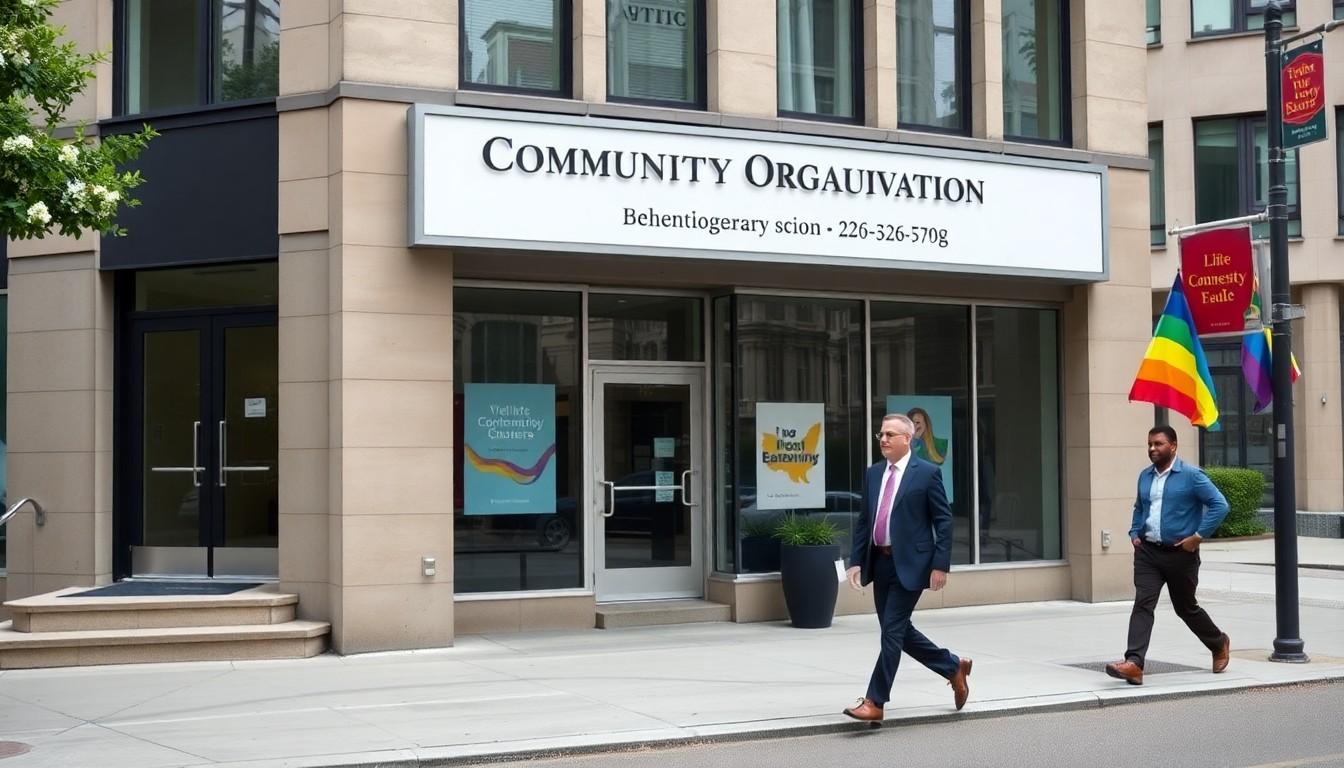
People around the world mark Celebrate Bisexuality+ Day on 23 September, recognising bisexual+ lives, history and rights. From BiWeek events to everyday conversations, the observance matters because visibility can challenge tired stereotypes, make space for honest stories and remind people that bisexuality is neither a phase nor a halfway point.
Essential Takeaways
- The date: Celebrate Bisexuality+ Day takes place on 23 September, following BiWeek from 16 to 23 September.
- The origins: Activists Wendy Curry, Gigi Raven Wilbur and Michael Page established the observance in 1999.
- The purpose: It challenges biphobia, bi-erasure and misconceptions about bisexuality.
- The wider message: Visibility includes stories of joy, love, culture and belonging, not only accounts of discrimination.
- A practical way to help: Listen, use inclusive language and amplify bisexual+ voices without demanding personal explanations.
What Celebrate Bisexuality+ Day stands for
The day is more than a colourful date on the LGBTQIAP+ calendar. It offers a chance to recognise the range of identities included beneath the bisexuality umbrella, while pushing back against assumptions that bisexual people are confused, indecisive or incapable of commitment.
That work remains important because stereotypes can sound deceptively casual. A joke or dismissive comment may reinforce the idea that bisexuality isn't a valid identity, leaving people feeling unseen in workplaces, families, healthcare settings and relationships.
The activists behind the observance
Celebrate Bisexuality+ Day was created in 1999 by Wendy Curry, Gigi Raven Wilbur and Michael Page. Page also designed the bisexual flag, which has since become a familiar symbol of visibility and community pride.
The date sits at the end of BiWeek, a period running from 16 to 23 September. Events and conversations during the week help build momentum, but the broader aim is simple: make bisexual+ experiences harder to overlook.
Why bi stories matter
Visibility isn't just about seeing someone represented in a film, on a stage or in a campaign. It's also about hearing real experiences and allowing bisexual+ people to describe their own lives rather than having others define them.
The Boston city government has presented bisexuality and bi visibility as part of wider LGBTQ+ recognition, while awareness organisations encourage people to use the occasion for education and solidarity. Those efforts matter because bi-erasure can affect mental health and access to respectful support, according to advocacy-focused guidance.
Still, the story shouldn't stop at hardship. Bisexual+ lives also contain friendship, romance, family, creativity, humour and contentment. A fuller picture is more powerful, and frankly more human.
How to support bisexual+ visibility
Start by listening without treating someone's identity as a puzzle to solve. You don't need to ask intrusive questions about a person's relationship, dating history or "proof"; bisexuality isn't measured by a partner's gender or by a tally of past relationships.
It also helps to challenge stereotypes when they appear, support bisexual-led organisations and share resources from credible LGBTQ+ groups. If you're planning a workplace, school or community event, make sure bisexuality is discussed in its own right rather than folded into a vague catch-all.
Language matters, too. Some people use bi, bi+, bisexual, pansexual or another identity that feels right to them. Follow the terms individuals choose, and don't assume that one label explains everybody's experience.
A celebration with room for joy
The strongest observances combine advocacy with celebration. Public education can expose discrimination, but stories of happiness and belonging show what inclusion makes possible.
September's focus may last only a week, yet the need for visibility continues throughout the year. The most meaningful response is often quiet and practical: believe people, make room for their stories and treat bisexuality as a complete identity rather than a question mark.
Listening is a small act, but it can help make someone feel unmistakably seen.
Source Reference Map
Story idea inspired by: [1]
Sources by paragraph:
- Paragraph 1: [2], [5]
- Paragraph 2: [3], [4]
- Paragraph 3: [2], [6]
- Paragraph 4: [3], [4]
- Paragraph 5: [5], [6]
- Paragraph 6: [2], [3]
- Paragraph 7: [4], [6]
- Paragraph 8: [3], [5]
- Paragraph 9: [4], [6]
- Paragraph 10: [2], [3]
- Paragraph 11: [4], [5]
- Paragraph 12: [3], [6]
- Paragraph 13: [2], [4]
- Paragraph 14: [3], [5]