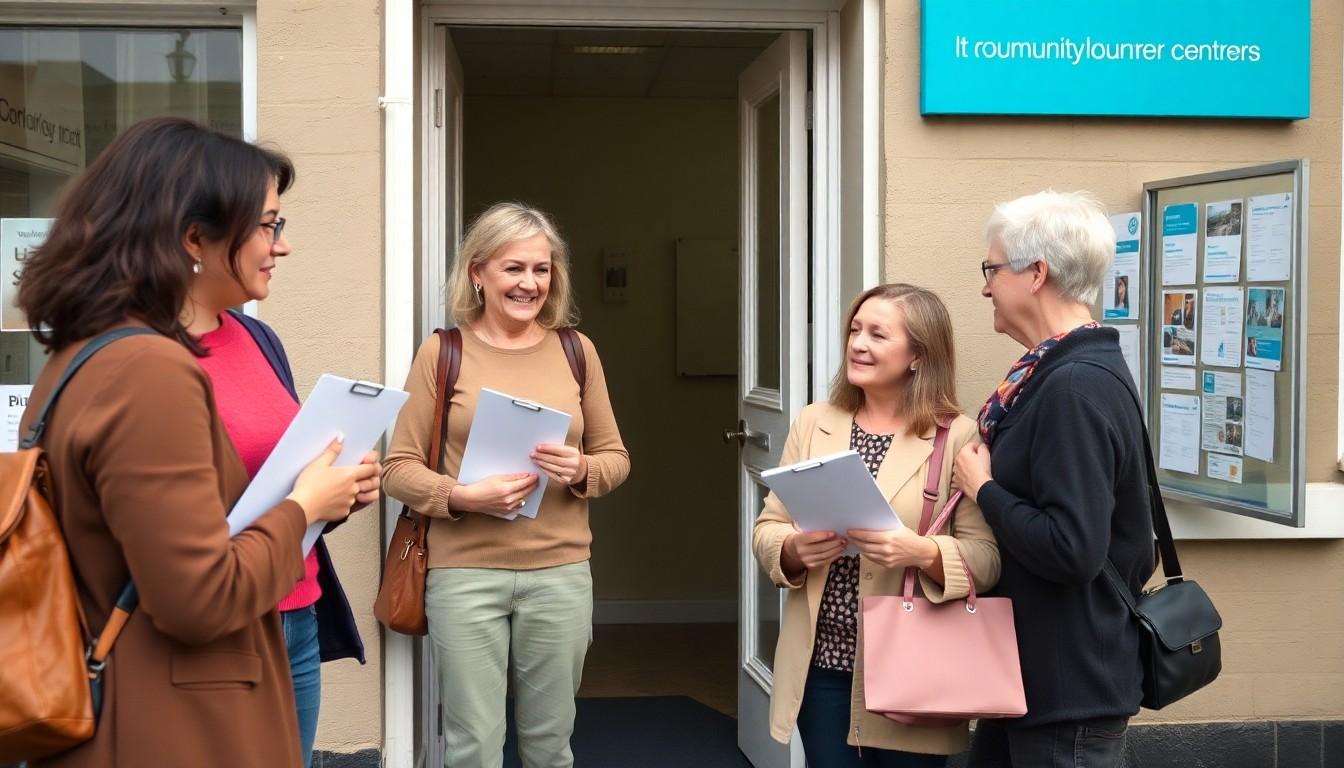
Volunteers are turning small pockets of spare time into visible, welcoming bisexual communities across the UK. From sharing a link or wearing a badge to running events and supporting local groups, these simple actions matter because much of the movement depends on unpaid, determined community effort.
Essential Takeaways
- Small actions count: Sharing information, donating, proofreading or making a cup of tea can all support bisexual activism.
- Time is flexible: Ten minutes, an occasional hour or a regular day can each make a useful difference.
- Local groups need people: Community meet-ups, Pride events and support services often rely on volunteers.
- Visibility remains powerful: A badge, poster, conversation or social media post can help challenge assumptions.
- Start comfortably: Choose an issue, group or task that feels manageable, then ask how you can help.
Bisexual communities are built on everyday effort
Bisexual visibility isn't sustained by grand gestures alone. It's often held together by quiet, practical work: someone updating a website, folding flyers, answering messages or making sure a new attendee doesn't stand awkwardly at the edge of a meeting.
That behind-the-scenes effort reflects the wider spirit of Volunteers' Week, which organisations across the UK use to recognise the people who keep local services and campaigns moving. Groups including PAVO and Business Wales have highlighted volunteering as a way to strengthen communities and build connection.
For bisexual people, the impact can feel particularly personal. A friendly group, a clear resource or a familiar flag at an event can turn isolation into recognition. Sometimes, visibility starts with something as simple as seeing proof that people like you are already there.
You don't need a huge amount of time
The most encouraging point is also the most practical: helping doesn't have to become a second job. If you've got ten minutes, you could share a bisexual organisation's post, sign a petition, recommend a book to your library or send a useful link to someone who might need it.
You might also put up a poster, wear a bi-coloured badge, take a photograph at an event or speak to a friend about bisexuality. These actions may look modest, but they help information travel beyond the people already involved.
Volunteer organisations regularly stress that contributions come in many forms. The Children's Trust and Crisis, for example, present volunteering as a broad range of activities rather than a single formal role. That makes the first step feel far less intimidating.
From an hour to a whole day, there are plenty of routes in
With an hour or two every few months, you could attend a local bi group, join a wider LGBTQ+ meeting and mention your bisexuality, make badges, help distribute flyers or contribute to an online discussion. Creative tasks, such as producing friendship bracelets in bi flag colours, can make activism feel sociable rather than solemn.
A little more time could go towards writing an article, running a workshop, helping at a Pride stall or creating posters and T-shirts. You could also contact an MP or councillor about a local issue, or help make a banner with other activists.
The trick is to match the task to your energy. If you enjoy writing, offer words. If you're organised, help coordinate. If you prefer face-to-face contact, try a group or event. There's no prize for choosing the most demanding option.
Why visibility still matters
Being visible isn't about performing confidence every minute of the day. It can mean calmly saying you're bisexual when it feels safe, bringing a bi perspective into a discussion or wearing a badge that prompts a useful conversation.
That matters because public understanding is shaped by repetition. A poster in a community venue, a book on a library request list or a bisexual voice at a meeting can gently widen the picture of who belongs there.
The wider volunteering sector also points to this community-building effect. PACTO and Swindon Food Collective have used Volunteers' Week to spotlight how people strengthen local networks through shared effort. Bisexual activism works in much the same way: one contribution gives the next person somewhere to stand.
Ready for more? Make it sustainable
For those who become more involved, regular opportunities might include running a local group, maintaining a website, researching bisexual history, translating resources or organising a fundraiser. Others may prefer to coordinate volunteers, produce photographs or contribute to a publication.
Long-term activism is easier to sustain when responsibilities are shared. A group that relies on one tireless organiser risks burning them out, while a group that rotates tasks can keep its doors open for longer.
So start with one action that feels realistic. Ask a local group what would genuinely help, rather than assuming you need a perfect plan. The best volunteering often begins with a simple question and a spare ten minutes.
A visible, welcoming bisexual community is built one small act at a time.
Source Reference Map
Story idea inspired by: [1]
Sources by paragraph:
- Paragraph 1: [2], [7]
- Paragraph 2: [4], [5]
- Paragraph 3: [3], [6]
- Paragraph 4: [2], [4]
- Paragraph 5: [5], [6]
- Paragraph 6: [3], [7]
- Paragraph 7: [2], [5]
- Paragraph 8: [4], [6]
- Paragraph 9: [3], [7]
- Paragraph 10: [2], [4]
- Paragraph 11: [5], [6]
- Paragraph 12: [3], [7]
- Paragraph 13: [2], [4]
- Paragraph 14: [5], [6]
- Paragraph 15: [3], [7]
- Paragraph 16: [2], [4]