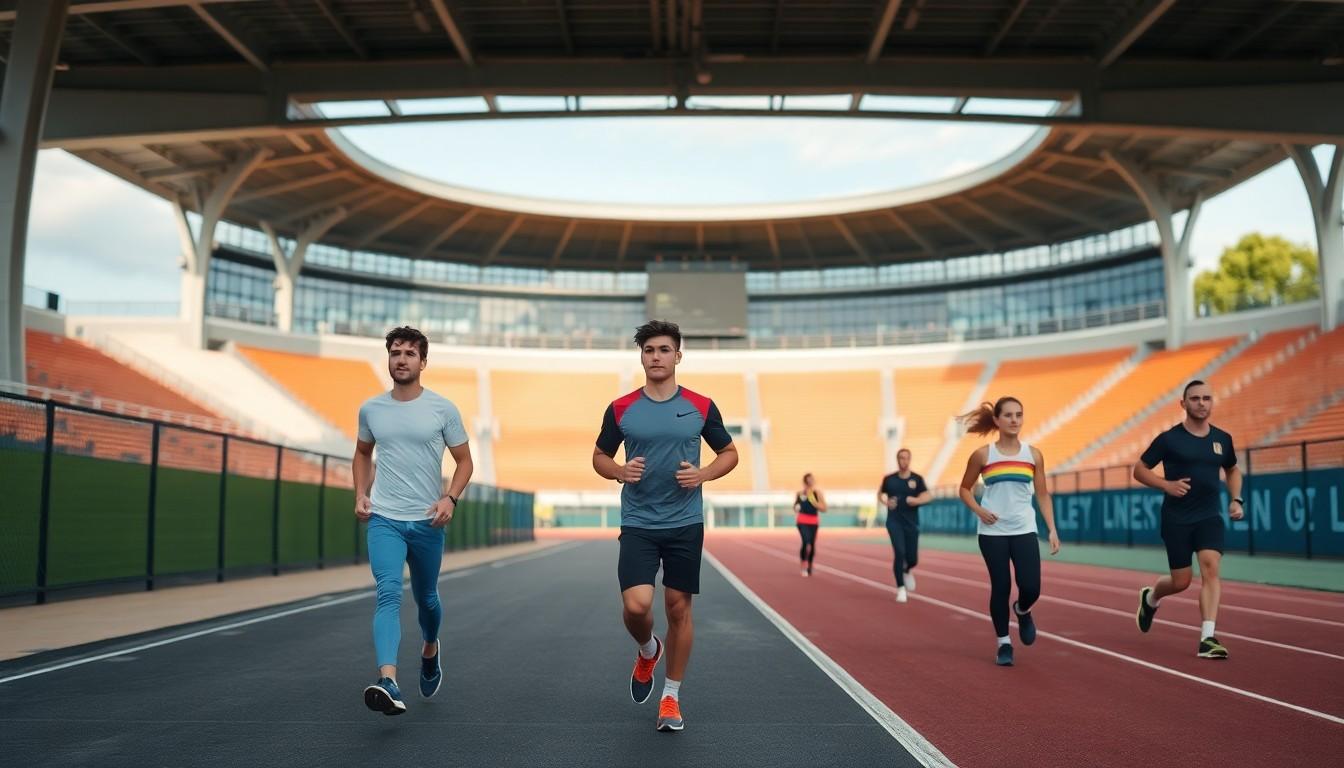
Athletes across rugby, skiing, football and figure skating are making bisexual visibility harder to ignore, showing how honest representation can reshape locker rooms, fan culture and the next generation’s sporting ambitions.
Visibility is moving from the margins
Coming out in elite sport still takes nerve. The spotlight is intense, social media can be unforgiving and bisexual athletes often face the added frustration of having their identity questioned or overlooked.
Yet the mood is shifting. Younger athletes are increasingly comfortable naming their sexuality, while established stars are showing that being bisexual or pansexual is simply one part of a much bigger story. That matters because representation doesn't need to be dramatic to be powerful. Sometimes it looks like a social-media post, a flag on the ice or a partner cheering from the stands.
Rugby and football are finding new voices
Irish rugby player Jack Dunne has spoken about an overwhelmingly supportive response since coming out, first in 2021. His move from English club rugby to Japan hasn't changed his view that being open was the right decision, according to Outsports.
Football has offered some equally striking moments. Jahmal Howlett-Mundle shared his coming-out experience with teammates, while Spanish goalkeeper Alberto Lejarraga became widely known after a photograph of him kissing his then-boyfriend went viral. Their visibility challenges the old idea that men's football has no room for openly bisexual players.
Alisha Lehmann brings a different kind of influence. With a huge online following and a career spanning international and club football, her openness about relationships has made bisexual visibility part of mainstream sporting conversation rather than a niche talking point.
The winter sports stories carry extra weight
Breezy Johnson's journey has combined sporting setbacks, personal honesty and a remarkable return to the top. After injuries disrupted her Olympic ambitions, she came back to win downhill gold at the 2026 Winter Games. Outsports reported that her victory was followed by a proposal from her boyfriend, Connor Watkins, adding a joyful, human note to an already extraordinary comeback.
Amber Glenn has also made visibility impossible to miss. The figure skater has identified as bisexual and pansexual, and her decision to celebrate a national title with a Progress Pride flag offered a vivid image of pride in a sport often associated with polished tradition.
Other winter-sport athletes, including Tim Koleto and Filip Tashler, have helped widen the conversation around bisexual and pansexual identities in figure skating. As Outsports has noted, their stories also bring attention to the complicated personal histories some athletes carry, including experiences of conversion therapy and the pressure to fit a narrow public image.
From the track to the water, representation travels
Sha'Carri Richardson was open about being bisexual long before becoming one of athletics' biggest names. Her world-title success, Olympic medals and sheer charisma have given that visibility a global platform.
Elsewhere, Evy Leibfarth became openly bisexual as a young canoeist and went on to win an Olympic bronze medal. Jessica Thoennes has represented the United States at two Olympic Games in rowing, while Thomas Vanderbrook wrote about the energy involved in concealing one's sexuality during his swimming career.
Surfing offers another revealing example. Tyler Wright has spoken about being the only queer person on tour at times, describing her wife as an essential source of grounding. That comment says plenty about why representation matters: even a successful athlete can feel isolated when their sporting environment lacks people with similar experiences.
What these stories mean for young athletes
The most useful lesson isn't that every athlete should come out publicly. Coming out is personal, and safety, privacy and emotional readiness must come first.
What these examples do show is that athletes can influence culture simply by being visible on their own terms. A short post, a supportive partner, a team response or a proud celebration can reassure someone watching from the sidelines that there is a future for them in sport.
Research cited by Outsports has found that bisexual people can feel invisible both within LGBTQ+ communities and among friends or family. That makes sporting representation especially valuable. It gives bisexual fans and young competitors something recognisable: not a stereotype, but a varied collection of real lives.
The next chapter looks more open
Progress is uneven, and sport still has plenty of work to do. Homophobic abuse, rigid ideas about masculinity and the persistent questioning of bisexual identities haven't disappeared.
Still, the direction is encouraging. From Dunne's rugby career to Johnson's Olympic triumph and Glenn's proudly visible celebrations, these athletes are expanding the picture of who belongs in high-level sport. Their stories don't just mark Bisexual Visibility Day; they help make visibility feel ordinary, which may be the most important victory of all.
A more welcoming sporting culture starts with letting athletes define themselves.
Source Reference Map
Story idea inspired by: [1]
Sources by paragraph:
- Paragraph 1: [2], [3]
- Paragraph 2: [3], [5]
- Paragraph 3: [2], [3]
- Paragraph 4: [3], [4]
- Paragraph 5: [4], [7]
- Paragraph 6: [6], [7]
- Paragraph 7: [3], [4]
- Paragraph 8: [3], [5]
- Paragraph 9: [3], [6]
- Paragraph 10: [3], [4]
- Paragraph 11: [3], [5]
- Paragraph 12: [3], [7]
- Paragraph 13: [2], [4]
- Paragraph 14: [3], [6]
- Paragraph 15: [3], [5]
- Paragraph 16: [2], [4]
- Paragraph 17: [3], [7]
- Paragraph 18: [3], [4]
- Paragraph 19: [2], [3]
- Paragraph 20: [3], [5]
- Paragraph 21: [3], [6]
- Paragraph 22: [3], [4]
- Paragraph 23: [2], [3]
- Paragraph 24: [3], [7]
- Paragraph 25: [2], [4]