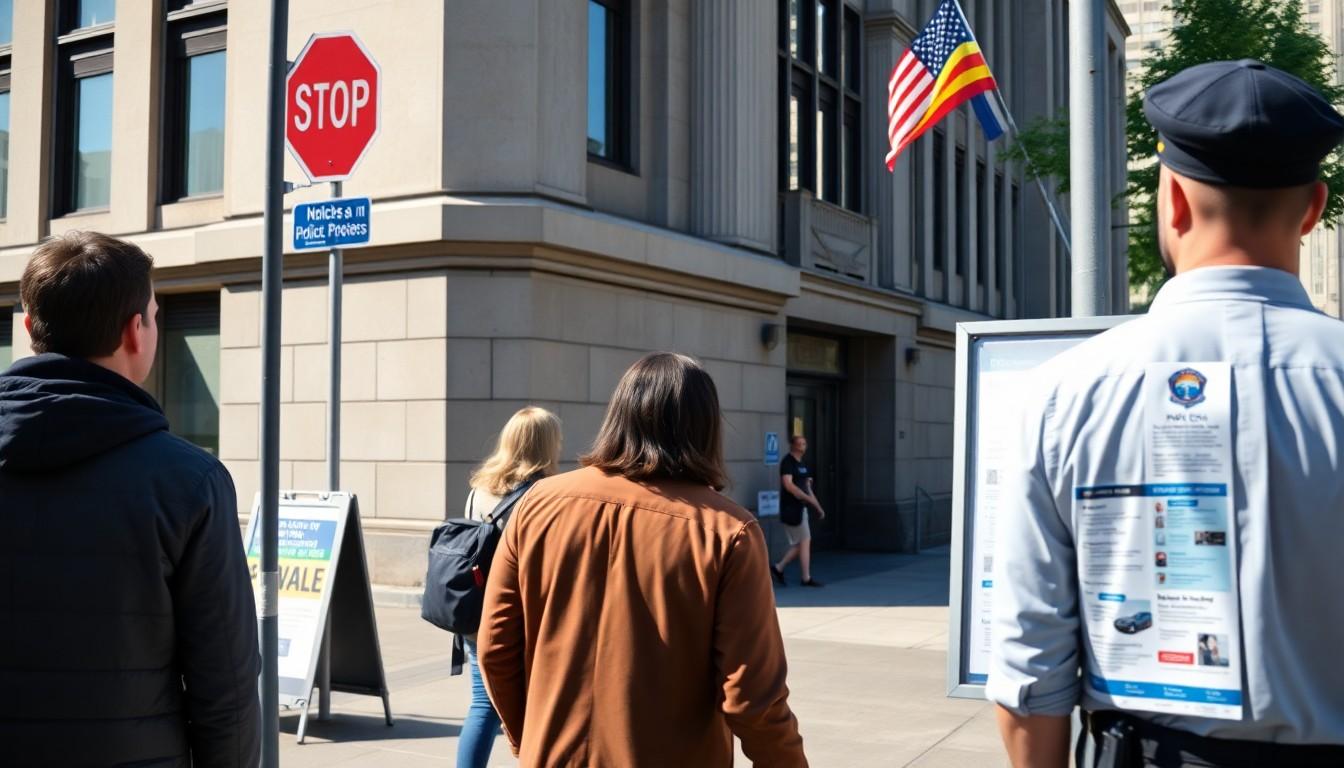
LGBTQ+ leaders in Philadelphia are balancing event safety, community accountability and the preservation of queer history. From planning OURfest to challenging myths about Stonewall, the work shows why visibility isn't a finished project, but an ongoing responsibility.
Essential Takeaways
- OURfest planning continues: Organisers and Philadelphia police are working on safety and communication for the Gayborhood event.
- Community links matter: The police department maintains dedicated LGBTQIA+ services and engagement channels.
- History needs care: Accounts of Stonewall can be distorted when myths overshadow the experiences of people who were there.
- New leaders are emerging: Recognition events help spotlight LGBTQ+ people building influence and change.
- Preservation is active work: Museums, archives and first-person testimony help keep queer history visible and credible.
Philadelphia's LGBTQ+ events need trust as well as crowds
A packed Gayborhood can feel electric, with businesses buzzing, friends spilling into the streets and the city at its most sociable. But a successful LGBTQ+ event depends on something less visible too: clear communication between organisers, police and the people attending.
That is especially important after troubling incidents surrounding Philadelphia's June Pride celebrations. Planning for OURfest has therefore become more than a logistical exercise. It is also a chance to rebuild confidence and make safety feel like a shared responsibility rather than an afterthought.
The event's organisers are working with the Philadelphia Police Department as details are refined. The department's LGBTQIA+ services include community engagement and support, a useful foundation for conversations that need to continue well beyond one festival weekend.
OURfest shows why preparation matters
Large public celebrations bring complicated questions. Where will people go for help? How will organisers respond to incidents? Are police officers properly briefed, and do attendees know who to approach if something feels wrong?
Philadelphia's OURfest listings present the occasion as a major gathering for LGBTQ+ people and allies. That scale brings energy, but it also makes practical planning essential, particularly for people who may already feel wary of authority or public scrutiny.
The best arrangements are usually the least dramatic on the day. Visible information, accessible stewards and a calm route for reporting concerns can help people enjoy themselves without constantly scanning the crowd. It's not glamorous work, but it is what allows the music, colour and conversation to take centre stage.
Recognition helps build the next generation of leaders
Community-building isn't only about responding to problems. It also means noticing who is creating opportunities, supporting others and quietly shifting expectations.
Events celebrating influential LGBTQ+ leaders can play a valuable role here. They honour established figures, but they can also give newer voices a platform and a sense that their work is being seen. That matters in a movement where progress is often built through countless small acts rather than one grand gesture.
The wider LGBTQ+ events calendar reflects that same mix of celebration and connection. A ceremony, panel or social gathering may look different from a campaign meeting, but each can strengthen the relationships that make collective action possible.
Stonewall's story deserves more than a tidy myth
Few moments in LGBTQ+ history have been simplified as heavily as Stonewall. The familiar story linking the uprising to Judy Garland's death may sound memorable, but it risks turning a confrontation shaped by police harassment, discrimination and frustration into a piece of celebrity folklore.
Research and first-person accounts have repeatedly pushed back against that version. The Advocate has examined common Stonewall myths, while PBS has recorded reflections from people connected to the events themselves. Their work points to a more complicated and human history, one that resists a neat punchline.
That distinction matters. When a movement's origins are reduced to a convenient legend, the people who endured the danger can disappear from view. Preserving their testimony isn't just an academic exercise; it's a way of respecting what they risked.
How to preserve LGBTQ+ history responsibly
The most useful starting point is simple: ask who is speaking, what evidence supports the account and whose voice may be missing. Newspapers, archives and museums all have a role, but no source is automatically free from bias.
First-person testimony is particularly important as older activists and witnesses become less able to share their experiences. Recording oral histories now can preserve details that official records often overlook, including the atmosphere of a room, the fear of a police raid or the relief of finding other people who understood.
Museums also need to make queer history visible in ways that feel alive rather than safely sealed behind glass. The continued interest in Stonewall and LGBTQ+ heritage suggests that audiences want context, not just commemorative labels. They want to know what changed, who pushed for it and what remains unfinished.
The work continues, one conversation at a time
The thread linking event planning, leadership recognition and historical research is accountability. Communities need safer public spaces, honest accounts of the past and new people ready to carry the work forward.
That can sound daunting, but it is also hopeful. Each generation inherits unfinished business, then adds its own ideas, pressure and imagination. The result isn't a straight line; it's more like a relay, with the baton passed carefully and sometimes under considerable pressure.
For Philadelphia's LGBTQ+ community, the next chapter will be shaped in meeting rooms, on busy streets, in archives and at celebrations. The important thing is that people keep showing up.
Community safety and queer history are strongest when everyone has a part to play.
Source Reference Map
Story idea inspired by: [1]
Sources by paragraph:
- Paragraph 1: [3], [4]
- Paragraph 2: [2], [3]
- Paragraph 3: [2], [4]
- Paragraph 4: [3], [4]
- Paragraph 5: [2], [3]
- Paragraph 6: [5], [6]
- Paragraph 7: [6], [7]
- Paragraph 8: [6], [7]
- Paragraph 9: [5], [7]
- Paragraph 10: [5], [6]
- Paragraph 11: [6], [7]
- Paragraph 12: [2], [5]
- Paragraph 13: [5], [7]
- Paragraph 14: [3], [4]