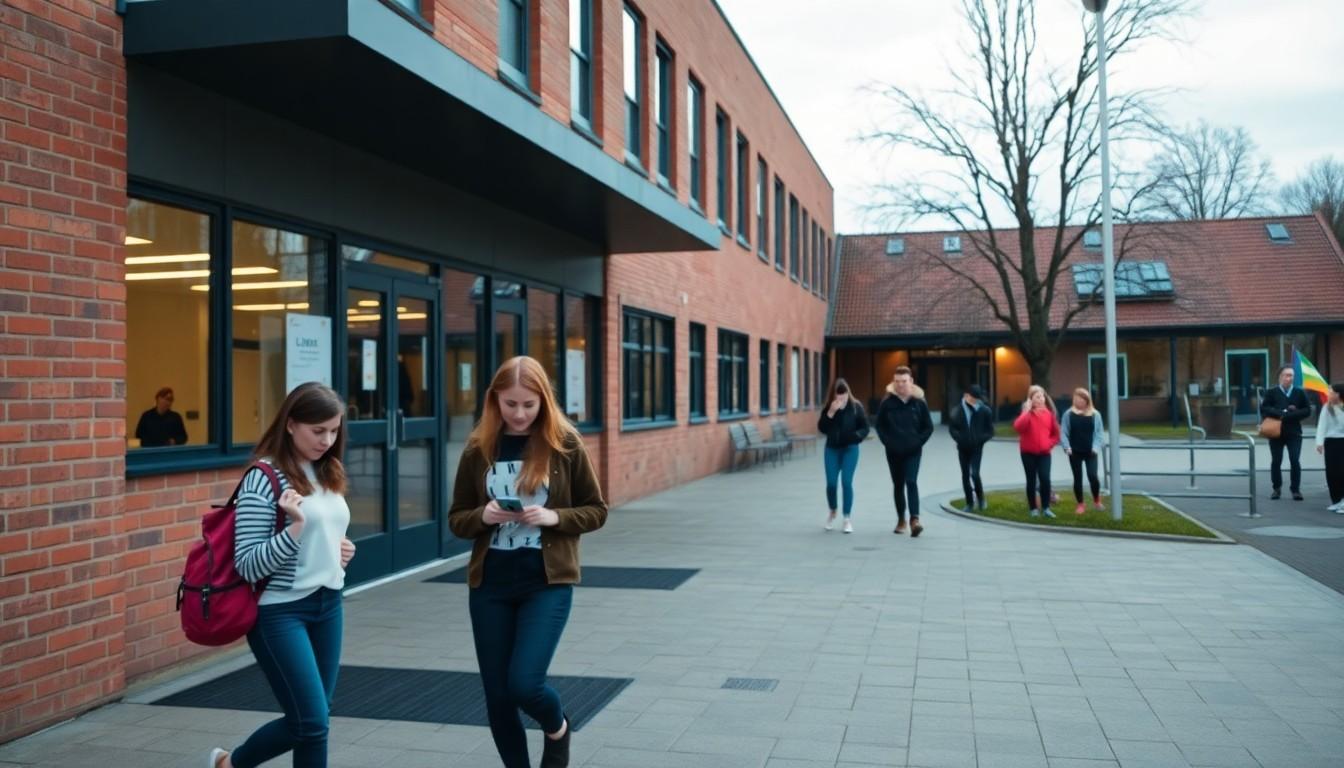
Schools across the Netherlands are facing a troubling shift in attitudes towards homosexuality, with acceptance among secondary pupils falling sharply in four years. The drop is especially severe among boys, as teachers report growing pressure from social media, online masculinity influencers and a tougher classroom atmosphere.
Essential Takeaways
- Acceptance has fallen sharply: Positive views among secondary pupils reportedly dropped from 59 per cent to 36 per cent.
- Boys show the steepest decline: Approval among boys fell from 40 per cent to 22 per cent.
- Girls are affected too: Positive attitudes among girls declined from 78 per cent to 51 per cent.
- Online culture matters: Teachers increasingly notice the influence of content about masculinity, including misogynistic jokes and rigid ideas about being a man.
- Schools are feeling the strain: LGBTQ+ pupils may hide who they are because of bullying, exclusion and online abuse.
The numbers reveal a worrying change
The most striking figure is the speed of the reversal. According to reporting by NOS Radio 1 Journaal, the share of secondary pupils with a positive view of homosexuality has fallen to 36 per cent, compared with 59 per cent four years earlier. That's not a small wobble; it's a sizeable change in the atmosphere young people are growing up in.
The decline is particularly stark among boys. Their positive responses fell from 40 per cent to 22 per cent, while girls' approval dropped from 78 per cent to 51 per cent, according to figures reported by the Nationale Onderwijsgids. Even traditionally more supportive groups appear to be moving backwards.
That contrast is hard to ignore. The Netherlands may look progressive from the outside, but attitudes in corridors, classrooms and group chats can tell a rather different story.
Why are boys being affected most?
One explanation increasingly discussed by educators is the growth of online communities built around rigid ideas of masculinity. These spaces, often grouped under the term 'manosphere', can present dominance, wealth and emotional toughness as proof of male worth, while treating women and LGBTQ+ people with contempt.
WNL reported that education professionals are seeing boys influenced by online content about how men should behave. Teachers also regularly hear sexist jokes and comments, with public figures such as Andrew Tate sometimes mentioned in that context. The evidence doesn't prove that the manosphere directly caused the fall in acceptance, but it does point to a worrying overlap.
TikTok and other short-form platforms make the issue harder to contain. A provocative clip can move from a phone screen into a classroom in seconds, stripped of context and repeated for laughs. For a teenager trying to fit in, mockery can become social currency.
LGBTQ+ pupils are paying the price
Behind the percentages are pupils deciding whether it's safe to be visible. COC Nederland has warned that LGBTQ+ teenagers are increasingly making themselves less noticeable because they fear bullying, exclusion or abuse online, according to OOG TV.
That can mean staying quiet when classmates discuss relationships, avoiding a same-sex partner at a school event or simply choosing not to correct an assumption. It may look like a minor act of self-protection, but over time it can leave young people feeling isolated in places where they should be able to learn and belong.
Schools are also reporting damage to rainbow flags and posters, alongside a harsher tone around initiatives such as Purple Friday. A banner can be replaced, of course, but the message behind that vandalism is much harder to scrub away.
Social media is only part of the picture
It would be too convenient to blame everything on TikTok. Teenagers are also navigating exam pressure, constant comparison and worries about war, climate change and whether they'll ever afford a home. The broader mood is unsettled, and stressed young people can be more vulnerable to simple, angry explanations.
The wider HBSC research, reported by LINDA, also highlights the heavy role of digital media in everyday life. When platforms are always within reach, attitudes are shaped not only by parents and teachers but by creators competing for attention with increasingly extreme content.
That doesn't mean every teenager who watches a masculinity video will become hostile to gay people. It does mean adults need to understand the online world young people are actually using, rather than treating it as a separate universe.
What can schools and parents do now?
The first step is to take casual language seriously. A homophobic joke may be dismissed as harmless banter, but repeated jokes set the boundaries of what feels acceptable. Teachers need clear backing from school leaders, while pupils should know exactly how to report abuse and what will happen afterwards.
Parents can also ask open questions about what their children watch online, without turning every conversation into an interrogation. Asking, 'What do you think that creator was trying to say?' is often more productive than simply banning a video. Young people still need room to disagree, but they also need help recognising manipulation and prejudice.
Schools should keep inclusion visible even when it attracts pushback. As reports covered by the Nationale Onderwijsgids suggest, the answer isn't to retreat from the subject. Calm, consistent discussion about sexuality, respect and masculinity may feel less dramatic than a viral campaign, but it has a better chance of changing the everyday culture.
The next few years will matter
The fall in acceptance isn't explained by one app, one influencer or one political argument. It's the result of a broader environment in which online hostility, insecurity and pressure can reinforce one another. Still, the trend isn't fixed, and attitudes can change when young people are given better examples of confidence, friendship and masculinity.
A safe school shouldn't depend on whether a pupil happens to have a supportive class that year. It should be built into the culture, backed by adults and defended when the atmosphere turns sour. For many teenagers, that quiet certainty could make all the difference.
Small comments shape big environments, so challenging prejudice early matters.
Source Reference Map
Story idea inspired by: [1]
Sources by paragraph: