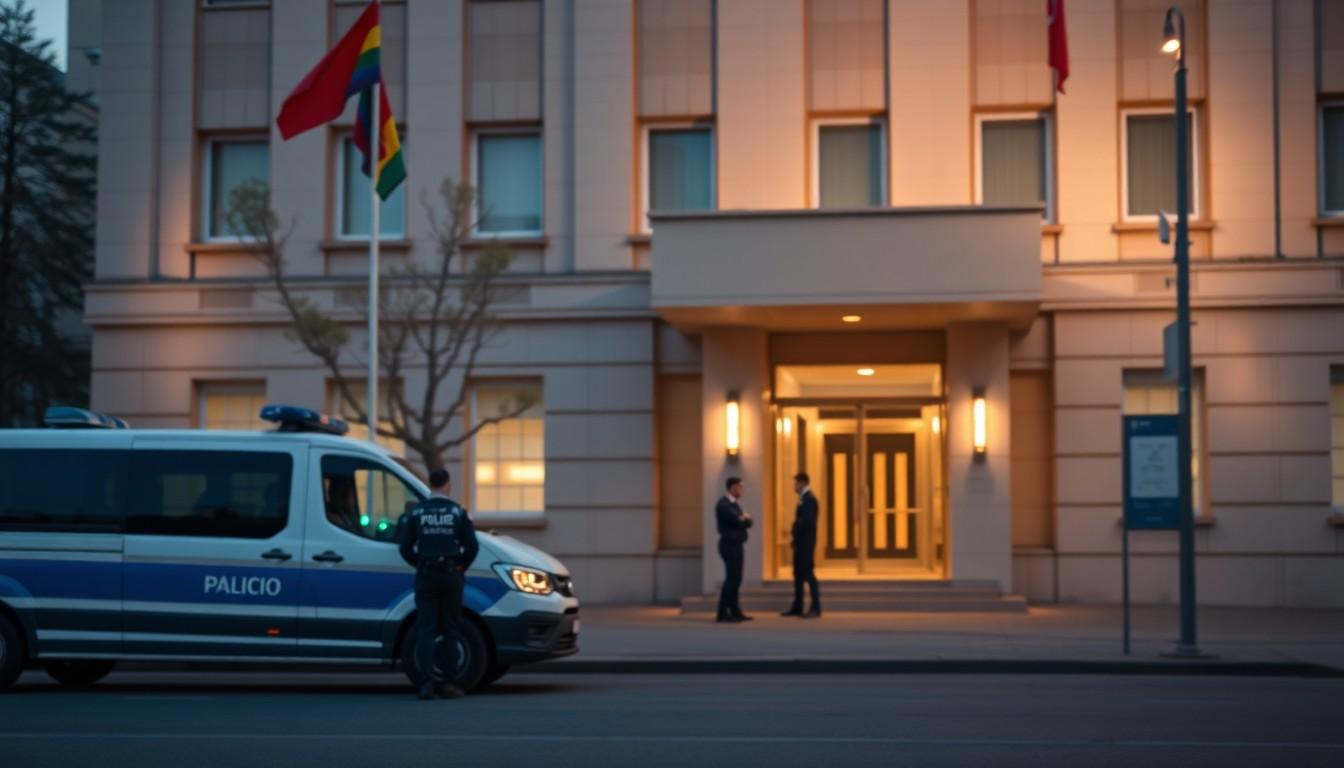
Authorities in Turkey have reportedly blocked LGBTQ+, feminist and student platforms before detaining around 160 people and raiding support organisations. The sweeping action matters far beyond those targeted: it restricts access to information, isolates vulnerable communities and reflects a growing international pushback against equality and civil freedoms.
Essential Takeaways
- Websites blocked: Access to LGBTQ+, feminist, media and student platforms has reportedly been restricted.
- Organisations targeted: Police raids affected advocacy, HIV support and community groups across Turkey.
- People detained: Around 160 people were reportedly detained or arrested during the operations.
- Wider impact: Blocking information can leave LGBTQ+ and HIV-positive people more isolated.
- International concern: The crackdown echoes pressure on minority rights seen in several other countries.
Turkey’s crackdown reaches beyond protest groups
The most alarming detail is the breadth of the action. According to Bi Community News, police operations targeted LGBTQ+ organisations around Turkey after a court decision blocked access to their websites and social-media accounts.
Offices and homes were reportedly searched, while computers and other equipment were seized. The list of affected groups included advocacy organisations, HIV support services and community networks, meaning the consequences could be felt by people seeking practical help, not only by activists.
For someone looking for testing information, legal advice or a safe way to speak to others, a blocked website isn't an abstract political inconvenience. It's a locked door.
Why the website restrictions matter
Online platforms have become essential infrastructure for communities that may not feel safe meeting openly. They connect people with healthcare information, peer support and emergency assistance, particularly where stigma remains strong.
The reported restrictions affected groups including Kaos GL, Muamma, Mersin 7 Renk, SPoD, HEVİ, Pozitif Yaşam, Listag, Lambda and Pozitif-İz. Bi Community News described the move as an attempt to intimidate people organising lawfully and discourage wider civic participation.
That matters because silencing organisations can also silence ordinary users. A person doesn't need to attend a demonstration to be harmed when an information service disappears overnight.
A familiar pattern of pressure on equality groups
The developments in Turkey sit within a broader international argument over the rights of LGBTQ+ people, women and other marginalised communities. Recent pressure in countries including Russia, Hungary and the United States has shown how restrictions can arrive through different routes, from legislation and censorship to direct harassment.
The details vary, but the effect can look remarkably similar: reduce public visibility, weaken support networks and make participation feel risky. Reporting from Bi Community News linked the Turkish actions to a wider retreat from social liberation, including women's ability to take part fully in public life.
That is why this story shouldn't be treated as a narrow dispute between a government and a handful of campaign groups. Civil society depends on people being able to organise, communicate and challenge authority without fearing raids or arrest.
What happens when support networks are cut off?
The immediate concern is access. LGBTQ+ and HIV organisations often provide signposting to healthcare, rights advice and emotional support, alongside public campaigning. When their offices are searched and their digital channels blocked, the practical damage can spread quickly.
People may stop asking for help if they believe communications are being monitored or organisations are under threat. For younger people, those online spaces can be the first place they find language for their identity or reassurance that they're not alone. Bi Community News reported that the operations affected both rights groups and HIV-focused organisations, underlining the potential public-health consequences.
The longer-term effect is harder to measure, but intimidation can be the point. A few highly visible raids may persuade many others to stay quiet.
Turkey’s international reputation faces a fresh test
A crackdown of this scale is likely to draw criticism from rights groups and international observers, while placing further pressure on Turkey's standing abroad. Governments can frame such operations as matters of security or public order, but the seizure of equipment and suppression of community information invite a much broader question: what kind of public debate is still permitted?
The warning signs are difficult to ignore. When attacks on LGBTQ+ organisations sit alongside restrictions affecting feminist and student groups, the issue looks less like an isolated campaign and more like a challenge to independent civic life.
For people watching from the UK and elsewhere, the uncomfortable lesson is that rights rarely disappear all at once. They can be narrowed through small restrictions, hostile rhetoric and legal pressure until speaking up feels like the risky option.
It's a stark reminder that protecting equality means protecting the networks that make solidarity possible.
Source Reference Map
Story idea inspired by: [1]
Sources by paragraph:
- Paragraph 1:
- Paragraph 2:
- Paragraph 3:
- Paragraph 4:
- Paragraph 5:
- Paragraph 6:
- Paragraph 7:
- Paragraph 8:
- Paragraph 9:
- Paragraph 10:
- Paragraph 11:
- Paragraph 12:
- Paragraph 13:
- Paragraph 14:
- Paragraph 15:
- Paragraph 16:
- Paragraph 17:
- Paragraph 18: