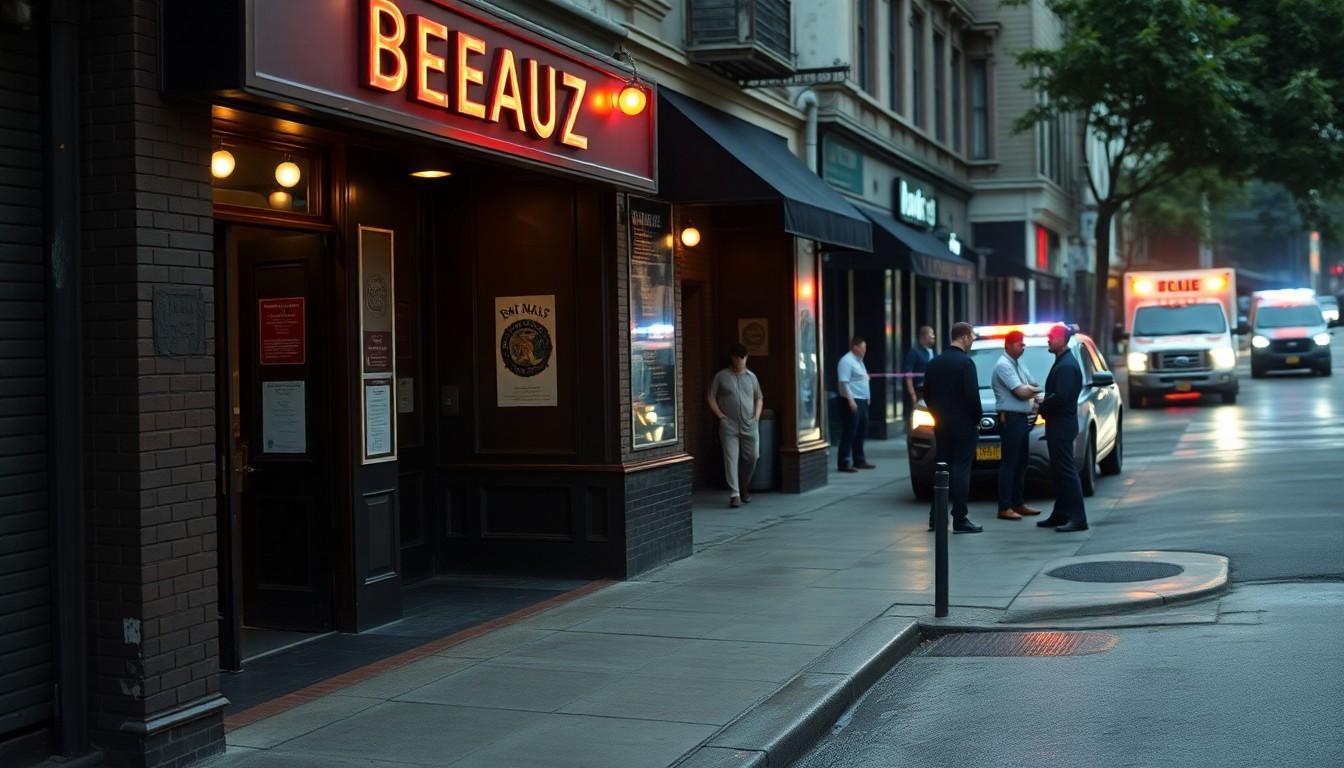
Gay adult star Alfonso Osnaya says he was assaulted outside Beaux in San Francisco after alleged taunts about his work, renewing difficult questions about safety, stigma and solidarity in the Castro’s nightlife scene.
Essential Takeaways
- Osnaya’s account: He says a group confronted and assaulted him outside Beaux after an argument inside the bar.
- Injuries reported: Osnaya described being knocked unconscious and suffering a cut above his eyebrow, while saying nothing serious happened.
- The alleged motive: He believes comments about his sex-work career helped fuel the confrontation.
- A wider setting: Beaux sits in San Francisco’s Castro, a neighbourhood long associated with LGBTQ+ nightlife and community history.
- The practical lesson: Walking away, staying with friends and alerting venue staff can reduce risk when a disagreement starts to turn threatening.
What Alfonso Osnaya says happened outside Beaux
The strongest detail in Alfonso Osnaya’s account is also the most unsettling: he says a heated exchange inside Beaux continued after he left, when he was alone on the street. Speaking to Out, the adult performer said he was knocked out and later helped by people from the bar while paramedics and police attended.
Osnaya also shared an image showing a cut above his right eyebrow. He said the incident happened in San Francisco’s Castro District, an area known for LGBTQ+ bars, landmarks and a long record of queer community life.
Out reported that Osnaya initially tried to leave the confrontation but later acknowledged that he had engaged with comments he found judgemental. That self-reflection matters, but it doesn't shift responsibility for alleged violence onto the person who was targeted.
He links the alleged attack to sex-work stigma
Osnaya said the men mocked him because of his job and claimed they knew who he was. He believes his work in adult entertainment became the spark for the confrontation, describing the experience as an example of slut-shaming.
He began working in the industry in 2021 and has appeared for several established adult studios. For performers, that visibility can bring professional opportunities, but it can also make everyday encounters more complicated. A recognisable face may invite unwanted attention, while stigma can quickly turn a disagreement into something more personal.
The wider point is uncomfortable but familiar. Queer spaces aren't automatically free from judgement, and sexual expression doesn't make someone fair game for harassment. A bar can be welcoming overall while still needing clear, active responses when patrons cross the line.
Why the Castro backdrop matters
The Castro has a particular emotional weight in LGBTQ+ culture. Its bars and streets have served as meeting places, refuges and organising hubs for generations, so an alleged assault connected to a popular venue is likely to feel especially jarring to local patrons.
San Francisco gay-bar directories and community histories document the neighbourhood's dense network of venues, including Beaux. That concentration creates energy and visibility, but it also means arguments can spill into busy public spaces, particularly during late-night hours.
Recent reporting from local queer publications has also highlighted how fragile online visibility can be for San Francisco bars, with some venues losing access to Instagram accounts without warning. That isn't the same issue as physical safety, but both stories point to the pressures facing queer nightlife: venues are expected to build community, manage risk and remain visible, often with limited room for error.
How nightlife venues and friends can help prevent escalation
For anyone caught in a tense exchange, the safest move is usually the least dramatic one: don't trade the final insult. Head towards staff, a busier area or a trusted group rather than leaving alone while someone is still following or provoking you.
Friends can make a real difference. Check that everyone has a safe route home, avoid splitting up after an argument and ask venue staff to intervene early. Staff, meanwhile, can document incidents, separate people and contact emergency services when a situation becomes threatening.
That doesn't mean patrons should have to manage other people's prejudice perfectly. It simply recognises that late-night confrontations can change in seconds, and a quiet exit is often more useful than winning the exchange.
The conversation shouldn't stop at one incident
Osnaya said he felt foolish for taking the bait, but the larger responsibility remains with anyone who uses intimidation or violence. His account is a reminder that LGBTQ+ nightlife needs more than a welcoming reputation; it needs practical safety and a culture that rejects humiliation disguised as humour.
The Castro remains a place where people should be able to meet, celebrate and be visible without having their work or identity used against them. As venues and patrons look ahead, solidarity needs to be something people practise in real time, not just something printed on a poster.
A safer night out starts with refusing stigma and stepping in before an argument becomes a crisis.
Source Reference Map
Story idea inspired by: [1]
Sources by paragraph:
- Paragraph 1: [2], [4]
- Paragraph 2: [2], [7]
- Paragraph 3: [2], [4]
- Paragraph 4: [2], [3]
- Paragraph 5: [2], [5]
- Paragraph 6: [6], [7]
- Paragraph 7: [3], [5]
- Paragraph 8: [4], [6]
- Paragraph 9: [2], [4]
- Paragraph 10: [3], [5]
- Paragraph 11: [2], [6]
- Paragraph 12: [2], [4]
- Paragraph 13: [2], [6]
- Paragraph 14: [3], [5]