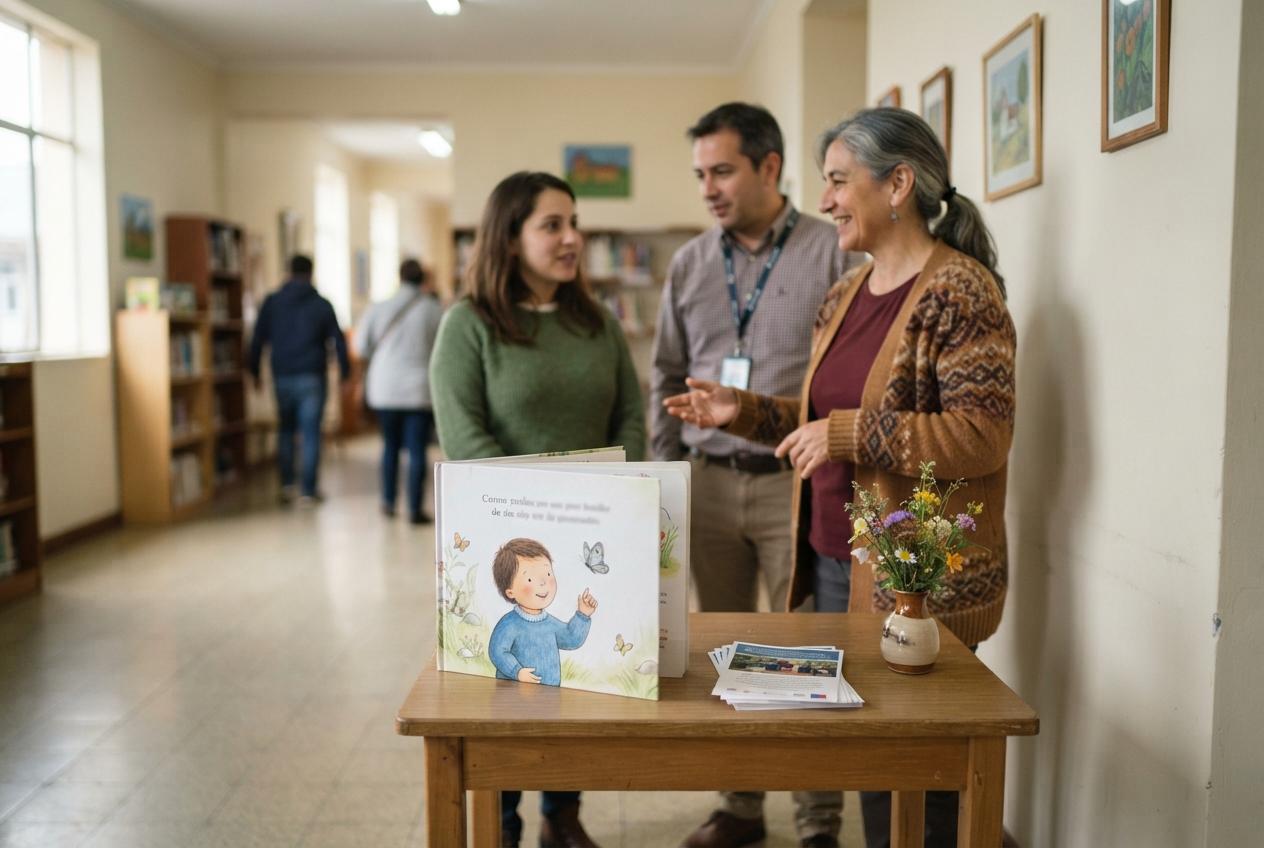
Readers, families and educators are taking a closer look at Ariel es una niña, a Chilean picture book about trans childhoods, as it reaches communities beyond Ñuble. Its arrival matters because reported discrimination linked to sexual orientation and gender identity has risen in the region, while the story is also prompting wider conversations about inclusion, education and children’s rights.
Essential Takeaways
- A pioneering publication: Ariel es una niña is described as the first Chilean story about trans children to receive backing from state, academic and specialist organisations.
- A regional launch: The book was presented in Chillán and San Carlos, with distribution planned across Ñuble.
- A practical audience: It’s designed to support conversations among families, schools, public services and other institutions.
- A national conversation: Later presentations in other Chilean cities, including Puerto Montt, Puerto Varas and Concepción, have broadened its reach.
- A contested subject: Its arrival at Chile’s Congress and a later event requiring security show how emotionally charged the issue remains.
A small book addressing a very large question
At its heart, Ariel es una niña uses a familiar format, a children’s story, to discuss identity, recognition and respect. That gentle approach is part of its appeal: a book can open a difficult conversation without making a child sit through a lecture.
Movilh, the organisation behind the title, launched it in Ñuble as reports of discrimination based on sexual orientation or gender identity increased by 16.6% over the previous year. The group said the publication was intended to help families and institutions understand the rights of trans and LGBTIQ+ children.
The book’s warm, accessible format also matters in classrooms, where teachers often need language that is clear without being clinical. According to Movilh, its wider purpose is to encourage respect and reduce the harm caused by discrimination.
Why Ñuble became an important starting point
The first regional presentations were scheduled for Chillán and San Carlos. In Chillán, the event took place at the Teatro Municipal, while San Carlos hosted the presentation at its hospital, alongside training for health workers on LGBTIQ+ realities.
That combination says plenty about the intended audience. This isn't only a school resource; it’s also being positioned as a tool for public services, healthcare teams and families who may be supporting a child or responding to questions about identity.
The choice of a hospital venue was particularly telling. For many families, healthcare professionals are among the first adults outside the home to encounter questions about a child's wellbeing, dignity and safety. A quiet, informed response can make a significant difference.
Backed by education and child-rights specialists
Ariel es una niña stands out because it received support from several public, academic and child-focused bodies. These included Chile's Undersecretariat for Children, the Office of the Children's Ombudsperson and university teams working in early education, psychology, gender and diversity.
That backing gives the book more weight than a standalone campaign publication, especially for schools and organisations deciding which resources to use. It also reflects a broader shift towards treating children's identity and protection as questions of rights, not simply matters of personal opinion.
For parents, the practical lesson is straightforward. Look for resources that use age-appropriate language, avoid sensationalism and encourage listening. The best books in this area don't tell children what to feel; they give adults a calmer way to respond.
From local launch to national flashpoint
The story travelled well beyond Ñuble. Movilh later presented the book in Puerto Montt and Puerto Varas, while another launch was announced in Concepción. Those events suggest sustained interest from communities looking for ways to discuss trans childhoods in schools and family settings.
But the national conversation has been far from quiet. When Ariel es una niña reached Chile's Congress, it triggered both support and opposition, underlining how quickly a children's book can become a symbol in a wider political dispute.
A later presentation in Valdivia was held with security measures after reported hostility and harassment. That development is sobering, particularly because the original audience was children and the adults who care for them. A picture book may feel soft and harmless, but the arguments surrounding it can be anything but.
How families and schools can use it well
The most useful approach is to read the story together, then allow questions to lead the discussion. Adults don't need a perfect speech. They need patience, simple explanations and a willingness to correct stereotypes when they appear.
Schools may also want to pair the book with clear anti-bullying policies and staff guidance. A story alone can't change a school culture, but it can provide a shared starting point for talking about names, pronouns, belonging and respectful behaviour.
For families choosing resources about trans children, context matters as much as the cover. Check who created the material, whether child-development or education specialists supported it, and whether it encourages kindness rather than fear. In a subject this personal, a soft landing can be invaluable.
Ariel es una niña shows how storytelling can make a difficult conversation feel more human, one page at a time.
Source Reference Map
Story idea inspired by: [1]
Sources by paragraph:
- Paragraph 1: [2], [3]
- Paragraph 2: [1], [4]
- Paragraph 3: [3], [7]
- Paragraph 4: [5], [6]
- Paragraph 5: [2], [7]
- Paragraph 6: [4], [6]
- Paragraph 7: [3], [5]
- Paragraph 8: [2], [7]
- Paragraph 9: [4], [6]
- Paragraph 10: [3], [7]
- Paragraph 11: [5], [6]
- Paragraph 12: [2], [3]
- Paragraph 13: [3], [4]
- Paragraph 14: [5], [6]
- Paragraph 15: [2], [3]
- Paragraph 16: [3], [7]
- Paragraph 17: [2], [4]
- Paragraph 18: [5], [6]
- Paragraph 19: [3], [7]
- Paragraph 20: [2], [4]