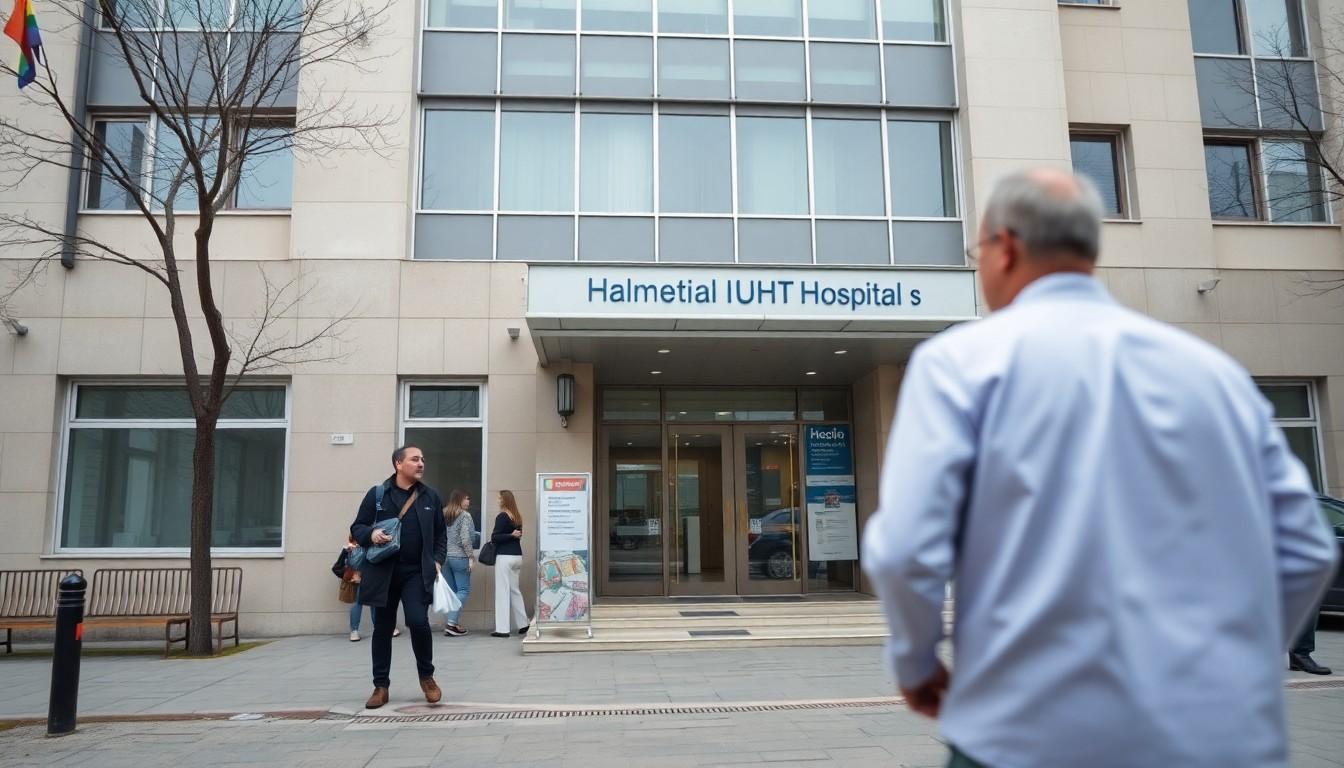
Health professionals in Istanbul are raising concerns about the impact of recent “Ailem Güvende” operations on LGBT+ people, people living with HIV and the organisations supporting them. They say blocked social-media accounts and legal pressure could deepen fear, discourage people from seeking care and undermine vital public-health work.
Essential Takeaways
- Health access could suffer: Fear of discrimination or mistreatment may lead some people to avoid hospitals and clinics.
- Support groups matter: Organisations offering HIV, sexual-health and rights support often connect people with trusted information and care.
- Professional bodies are affected: CETAD and the Turkish Psychiatric Association have reportedly faced online restrictions or requests for restrictions.
- Public-health policy points the other way: Turkey's 2025-2030 HIV programme stresses equal access, human rights and tackling stigma.
- The wider concern: Critics say portraying LGBT+ identity as a threat could fuel hostility and make vulnerable people easier targets.
Doctors warn that fear can keep people away from care
The sharpest concern is also the most practical: people who expect judgement may delay seeing a doctor. That can mean missed screening, postponed treatment and fewer opportunities to receive straightforward, confidential advice.
The Istanbul Medical Chamber says LGBT+ people could become increasingly wary of hospitals and health centres if public debate presents sexual orientation or gender identity as a danger. Reporting by Seçin also highlighted the chamber's concern that pressure on rights groups could affect access to healthcare and reliable information.
That risk isn't abstract. A quiet appointment, a routine test or a conversation about sexual health can be difficult enough without the added worry of being identified, criticised or treated differently. For patients already living with HIV, interruptions to support can make an established care pathway feel suddenly fragile.
Why online restrictions have attracted attention
The controversy centres partly on restrictions involving organisations that provide professional or public-health information. The Istanbul Medical Chamber said access to the social-media accounts of the Sexual Education, Treatment and Research Association, known as CETAD, had been blocked, while a request had also been made concerning the Turkish Psychiatric Association's official X account.
The chamber described the Turkish Psychiatric Association as a lawful professional organisation with 7,138 members, working in psychiatry and mental-health education. Its point was straightforward: limiting established medical and professional voices can make it harder for the public to find evidence-based guidance.
Other reports have described a broader legal operation involving LGBT+ rights advocates and lawyers. MediaNews reported that 107 people, including seven lawyers, had been detained in connection with the operations, while Duvar.org covered claims that lawyers' work had been obstructed. Those reports help explain why medical groups are watching the developments closely, even when they aren't themselves the main target.
The public-health argument is bigger than one dispute
CETAD and psychiatric professionals don't simply offer commentary online. Organisations working in sexual health and mental health can help people understand testing, treatment, consent, safer sex and where to seek support. Their value is often greatest for people who don't feel comfortable asking questions in ordinary settings.
The Istanbul Medical Chamber argues that weakening these networks could undermine efforts to reach people living with HIV and communities already facing stigma. The association AKAI has similarly criticised what it called an attack on fundamental rights and freedoms, placing the dispute within a broader debate about equality and civil liberties.
That matters because health campaigns depend on trust. People are more likely to seek testing or treatment when information feels confidential, respectful and free from moral judgement. Remove trusted intermediaries, and even accurate advice can struggle to reach the people who need it most.
Turkey's HIV strategy sets a different direction
The chamber also pointed to Turkey's national HIV/AIDS control programme for 2025-2030. According to the statement, the programme supports a human-rights-based approach, equal access to diagnosis, treatment, care and support, and stronger efforts to reach groups facing discrimination.
That creates an uncomfortable policy tension. On one side, the national strategy recognises that stigma can obstruct prevention and care. On the other, medical representatives say restrictions on health organisations and rights advocates may increase precisely the fear and isolation that public-health programmes are designed to reduce.
For patients, the takeaway is simple even if the politics are not: reliable healthcare information should remain easy to find, and seeking care shouldn't feel like a risk in itself. The Istanbul Bar Association's reported criticism of the operations, covered by Yeni Safak and 299 News, shows that concern extends beyond medicine into legal and institutional circles.
What happens next could shape trust in healthcare
The Istanbul Medical Chamber is calling for protection of LGBT+ people and those living with HIV, alongside stronger action against discrimination and stigma. It also says professional bodies and civil-society organisations should be able to share scientific information and defend the right to health.
The coming debate will be watched not only by advocacy groups but by clinicians, lawyers and patients. As reports from Yeni Safak and 299 News indicate, the argument has already widened beyond individual organisations to questions about professional independence and equal treatment.
A health system works best when people can walk through the door before a problem becomes a crisis. Once fear takes hold, rebuilding that confidence is slow, which is why many observers see the current dispute as a public-health issue as much as a legal one.
Reliable, stigma-free healthcare depends on people feeling safe enough to seek it.
Source Reference Map
Story idea inspired by: [1]
Sources by paragraph: