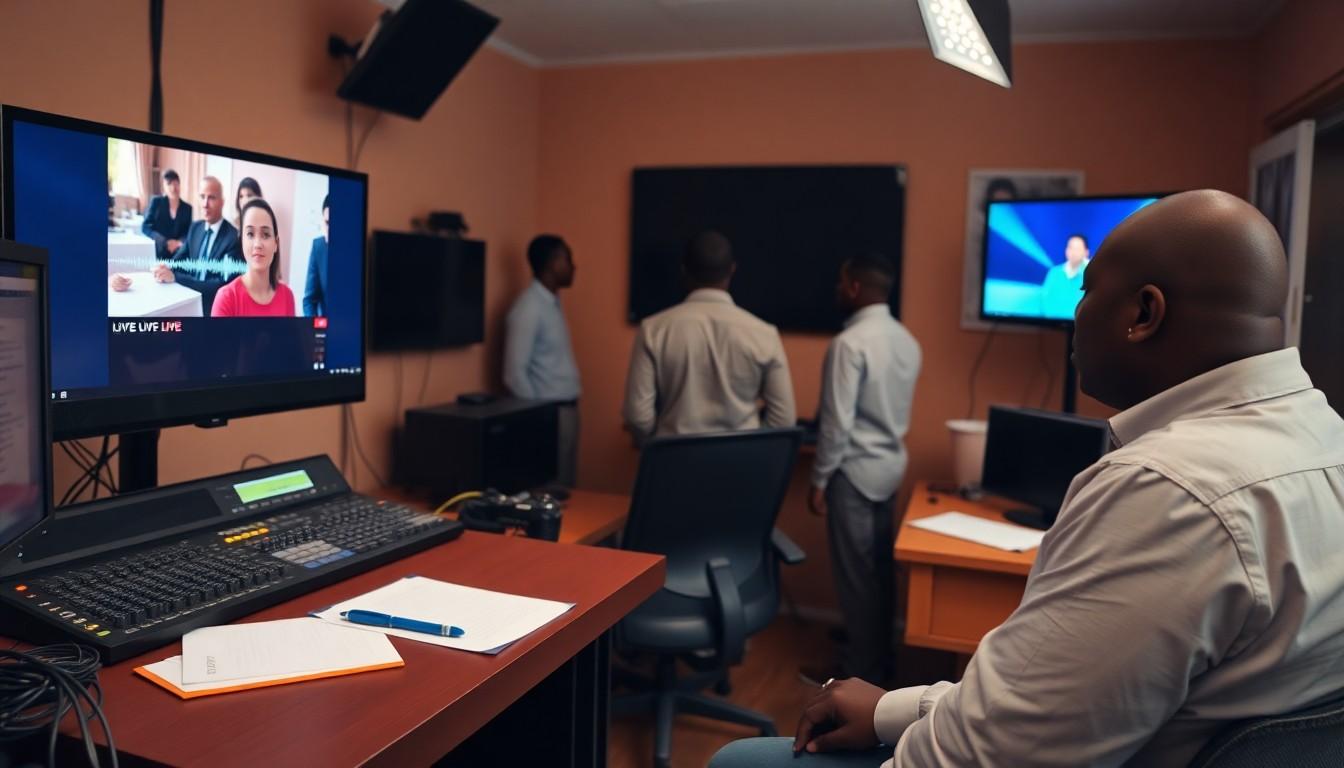
Viewers are revisiting Simon Kaggwa Njala’s viral “Why are you gay?” interview, a tense Ugandan television exchange that travelled from a local newsroom to global meme culture. The moment brought international attention, brand opportunities and lasting criticism, while raising difficult questions about identity, journalism and the cost of becoming famous online.
Essential Takeaways
- A 2012 interview went global: A live discussion on Ugandan television resurfaced years later and spread across social media.
- The clip changed his career: Kaggwa says it brought international appearances, partnerships and merchandise opportunities.
- The moment remains controversial: The exchange has been criticised as uncomfortable and linked to wider debates about LGBTQ+ rights.
- Virality came with a cost: Kaggwa describes both financial gains and backlash over how audiences interpreted his views.
- Online fame has a long memory: Memes, remixes and reposts kept reviving the clip long after the original broadcast.
One blunt question became an internet landmark
The interview was never designed to become a cultural artefact. In 2012, Simon Kaggwa Njala was presenting a current affairs programme on NBS Television in Uganda when he questioned transgender rights activist Pepe Julian Onziema about sexual identity. The exchange was direct, awkward and instantly memorable. Human Rights Watch later revisited the clip in the context of Uganda's hostile political and legal environment for LGBTQ+ people. [2]
At the time, Kaggwa says he hadn't expected the conversation to become a defining part of his public identity. He had prepared to discuss legislation and policy, but the guest and the subject pushed the interview in a different direction. That unscripted turn is precisely what made it so combustible, and, eventually, so shareable. The Times of India described the clip's later life as a viral meme phenomenon, showing how quickly a serious broadcast can be repackaged as online entertainment. [3]
From newsroom interview to global meme
The clip's second life began online, where viewers transformed the exchange with music, edits, jokes and imitations. A Ugandan television segment became material for meme pages and merchandise, including novelty products built around lines from the interview. Redbubble listings show how the phrase moved from video culture into decorative and gift products. [5]
That kind of afterlife is now familiar, but it was still a relatively new route to fame when the interview first resurfaced. Kaggwa says the moment kept returning every few months before becoming dramatically more visible years later. Capital FM Africa also chronicled how the presenter became associated with the viral phrase, rather than simply with his wider body of broadcast work. [7]
There is something oddly modern about that journey. A single expression can outlive its setting, its original intention and even the people involved, becoming a shorthand that audiences recognise without knowing the full story.
Fame brought opportunities, but not a clean slate
Kaggwa says the clip expanded his professional reach. He travelled, appeared with larger media organisations and secured commercial collaborations, including merchandise-linked endorsements. The Times of India reported that his online reputation led some observers to compare him with controversial international interviewers, a label that reflects both his confrontational style and the baggage attached to the viral moment. [3]
But the boost came with a reputational bill. Kaggwa has spoken about being branded homophobic and about the mental strain of facing intense public reaction. The original exchange has often been discussed not just as a meme, but as part of a wider pattern in which LGBTQ+ people are questioned, scrutinised or turned into spectacle. Human Rights Watch connected the viral clip with the broader realities of state-sanctioned discrimination and violence in Uganda. [2]
That tension is the part that memes tend to erase. A funny edit may travel lightly, but the subject matter isn't light for the person being interviewed, or for communities living with restrictive laws and social pressure.
Why the clip still sparks arguments
The debate around the interview has never been limited to whether Kaggwa asked a clumsy question. It also touches on how media frames identity, who gets to define respectability and whether a presenter can claim neutrality while steering a sensitive conversation. An analysis in Compact examined the way public discussions can move from sexual behaviour towards identity, showing why language around these subjects carries such political weight. [4]
Kaggwa has described himself as someone who tries to occupy the middle ground, while also acknowledging strong cultural and social views. That position may sound moderate to some viewers, but it can also feel unsatisfying in a debate where legal rights and personal safety are at stake. The clip's persistence shows how quickly a broadcaster's attempt to reflect a presumed audience can become a public statement of its own.
For media consumers, the useful lesson is to watch beyond the punchline. Ask who had editorial control, what was happening politically at the time and what the edited version leaves out. Viral video is rarely the whole story.
A career shaped by one unforgettable moment
Kaggwa's account is a reminder that internet fame isn't always planned, polished or even welcome. He says the interview strengthened his brand and made money, but also attached a controversial phrase to his name. Merchandise such as clocks and tapestries demonstrates how the exchange became a recognisable piece of digital folklore. [6]
The presenter has also spoken about empathy, fatherhood and the responsibility he feels when discussing social issues. Those comments offer a more complicated picture than the meme alone, although they don't remove the criticism surrounding the interview or its wider context. Capital FM Africa's coverage similarly presents the story as a transformation from television personality into viral figure, with all the contradictions that brings. [7]
Perhaps that's why the clip keeps returning. It contains discomfort, comedy, politics and celebrity in a few seconds, then leaves viewers to decide whether they're watching an awkward interview, a damaging stereotype or an accidental turning point. For Kaggwa, it was all three.
It's a small clip with an unusually large shadow.
Source Reference Map
Story idea inspired by: [1]
Sources by paragraph: