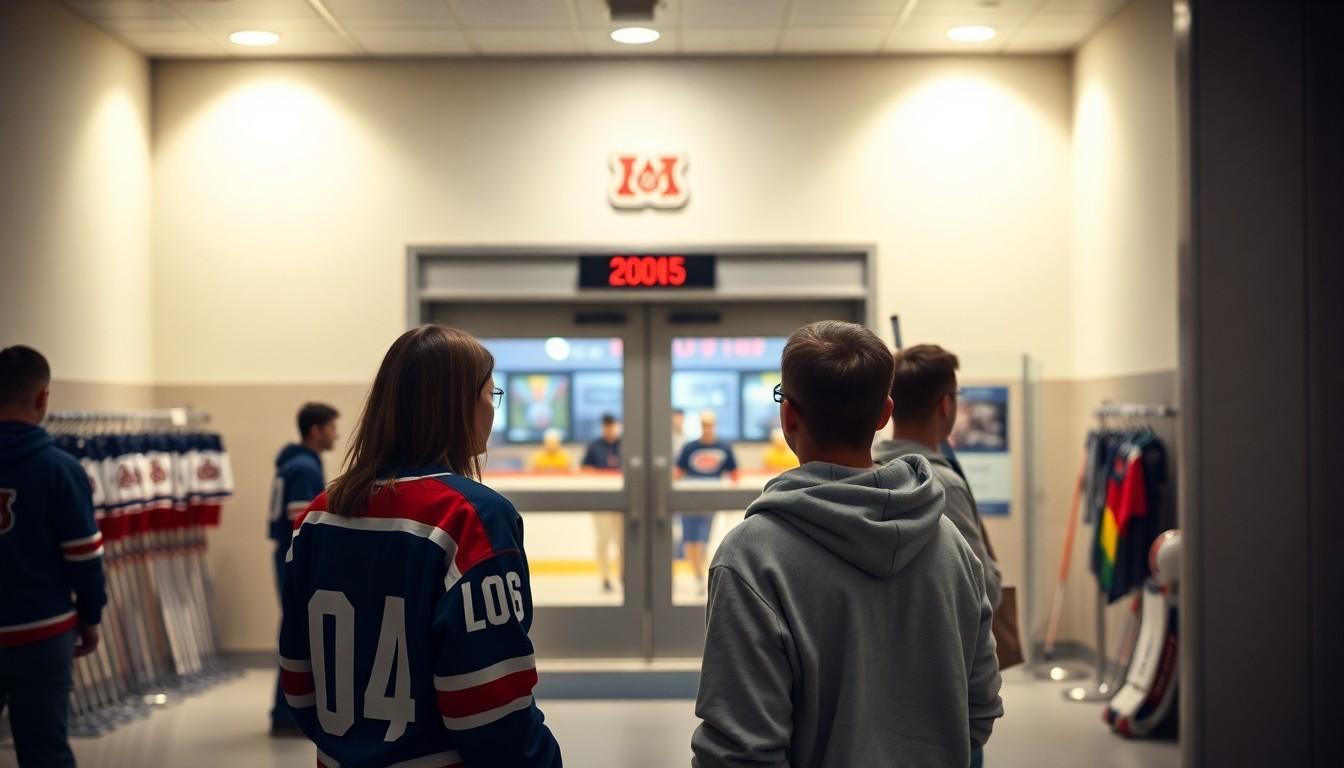
Viewers are turning to hockey dramas for more than romance and rink-side tension. Across Canada and beyond, shows including Heated Rivalry, Shoresy and Off Campus are putting queer love, inclusion and abuse in the spotlight, prompting fresh questions about whether popular television can change a sport still wrestling with its culture.
Essential Takeaways
- Hockey dramas are shifting the story: Recent shows present queer players, women leaders and Indigenous representation as part of the sport's future.
- Heated Rivalry has struck a nerve: Its central romance has attracted international attention and renewed interest in LGBTQ+ stories in elite sport.
- The real game remains complicated: Hockey continues to face criticism over exclusion, abuse, affordability and institutional accountability.
- Online fans are pushing back: New hockey creators and counterpublics are challenging old assumptions, while some supporters resist change.
- Television can open the conversation: But screen representation alone won't reform dressing rooms, clubs or governing bodies.
The biggest hockey story may be happening off the ice
The appeal of these shows is easy to understand. There's the cold bite of the rink, the roar of the crowd and all that deliciously combustible rivalry, but the real drama lies in who gets to belong.
Heated Rivalry places a queer romance between elite hockey players at the centre of its world, while Shoresy imagines a more inclusive team culture and Off Campus confronts sexual assault within hockey. Reviews and listings from outlets including The Guardian, Rotten Tomatoes and IMDb show how quickly Heated Rivalry has moved from niche adaptation to major television conversation. [3], [4], [5]
That matters because sport stories have traditionally treated heterosexual masculinity as the default. These dramas aren't simply adding different characters around the edges. They're asking viewers to imagine the stars of the game, the leaders and the people making difficult choices differently.
Why Heated Rivalry has become a cultural talking point
At the heart of Heated Rivalry is a familiar sports setup: two outstanding players locked in competition. What makes the story feel fresher is the emotional truth beneath the rivalry, as attraction, secrecy and professional pressure collide.
The series has also benefited from a real-world appetite for sports romance with sharper social stakes. Marie Claire has highlighted interest in a second season, while international coverage from Le Monde and reporting connected to the show's inspiration have helped turn its central relationship into a wider cultural discussion. [2], [6], [7]
That reach gives the show unusual influence. A viewer who arrives for the chemistry may leave thinking about why a gay player might still feel unable to be open in a dressing room. It's a quiet shift, but sometimes quiet shifts travel furthest.
Hockey's old culture is still proving hard to dislodge
The glossy version of hockey can make change look inevitable. Away from the screen, however, the sport remains associated with rigid ideas about toughness, belonging and masculinity, alongside long-running concerns about racism, homophobia, sexism, hazing and sexual abuse.
Participation can also be prohibitively expensive, with equipment, fees and travel placing the game beyond many families. At the professional level, questions about representation and accountability continue to shape how supporters view clubs and institutions.
Recent controversies involving player signings, coaching appointments and the handling of Pride events have underlined the gap between hockey's public image and its lived culture. The issue isn't one awkward incident; it's the system around the players, including what teammates, coaches, managers and fans choose to tolerate.
A new generation is changing the conversation online
The response from fans is becoming more organised and more visible. Online hockey creators are using social platforms to question old language, challenge exclusionary traditions and discuss who gets protected when institutions close ranks.
Some of these communities operate as what researchers call counterpublics: spaces formed by people who have been left out of the dominant conversation. Their posts, videos and comment threads can make room for queer supporters, women, Indigenous fans and people who don't see themselves in hockey's traditional image.
The reaction isn't always welcoming. Pride posts can attract enthusiastic support, but they can also draw slurs and complaints that inclusion has no place in sport. That pushback reveals why the debate feels personal to some fans: hockey is tied so closely to Canadian identity that criticism of the sport can feel, to them, like criticism of themselves.
Can a television drama change a dressing room?
Stories can change what audiences consider possible, but they can't rewrite a code of conduct on their own. Heated Rivalry may help viewers picture queer athletes as brilliant, complicated and fully part of hockey, yet meaningful progress still depends on clubs creating safer workplaces and acting consistently when allegations arise.
The opportunity is nevertheless significant. When a popular show makes an invisible pressure visible, it gives fans, players and organisations a shared language for discussing it. The best sports dramas don't merely offer escape; they leave a small question behind when the episode ends.
For hockey, that question is increasingly direct: does the sport want to preserve its old myths, or become the broader, safer game these shows are already imagining?
Television can open the door, but hockey still has to walk through it.
Source Reference Map
Story idea inspired by: [1]
Sources by paragraph: