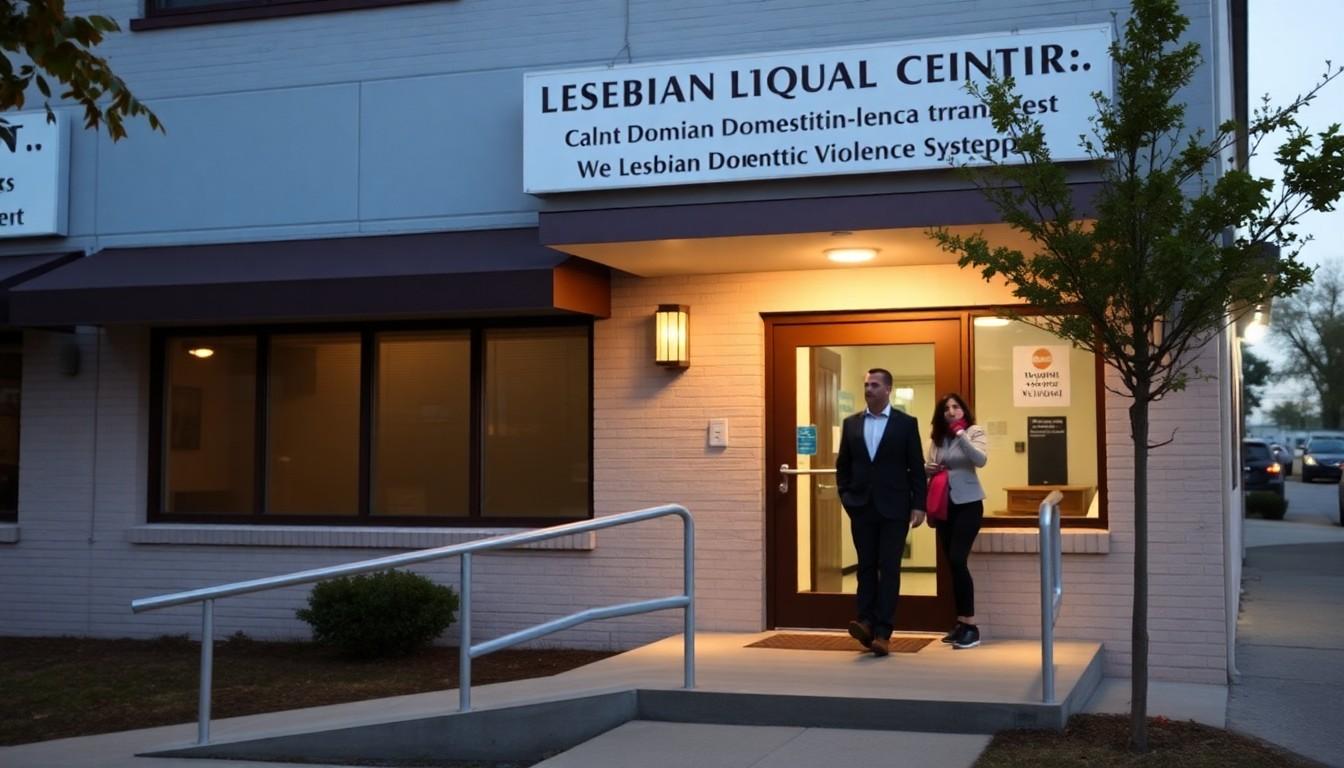
A survivor’s account is highlighting an often-overlooked reality: intimate-partner violence affects lesbian couples too. Research and expert commentary suggest queer women can face serious abuse while struggling to find services that understand their experiences, making inclusive support and safer routes to help especially important.
Essential Takeaways
- Lesbian survivors need specialist support: Domestic abuse services should recognise same-sex relationships and the dynamics that can come with them.
- Violence can be severe: Physical abuse may include choking, threats, stalking, coercive control and isolation.
- Stereotypes create barriers: The assumption that abuse is always male-on-female can leave queer women feeling unseen.
- Confidential help matters: Safety planning, discreet communication and trusted professionals can make seeking support less risky.
- Research is still developing: Studies have identified substantial rates of intimate-partner violence among lesbian and bisexual women, though figures vary by method.
Abuse in lesbian relationships is real, serious and frequently missed
Claire, a 25-year-old Los Angeles resident, remembers being attacked by her former girlfriend during their break-up in a CVS car park. She says her ex strangled her while people nearby appeared not to intervene, a frightening scene that left her fighting for air and confronting how dangerous the relationship had become.
Her story reflects a wider problem. Research indexed by PubMed has examined intimate-partner violence among sexual-minority women, including the prevalence of physical, sexual and psychological abuse. The findings don't support the comforting idea that violence is somehow absent from same-sex relationships.
That misconception can be particularly damaging because it affects whether victims are believed. When people picture domestic abuse only as a man attacking a woman, a lesbian survivor may struggle to see her own experience in the language of support.
Why queer women can find services hard to reach
Domestic abuse services have often been built around heterosexual assumptions. That can influence everything from intake forms and publicity to staff training and the questions survivors are asked when they disclose abuse.
Research published in the Journal of Interpersonal Violence has explored how sexual-minority women experience intimate-partner violence and how social stigma can complicate reporting and support. A survivor may worry about being judged, outed, misgendered or treated as though the abuse is simply a mutual argument.
There can also be practical complications. An abusive partner may threaten to disclose someone's sexuality, use community connections to isolate them, or exploit the fear that reporting violence will reinforce harmful stereotypes about LGBTQ+ people. The result is a trap that can feel both intimate and intensely public.
The numbers point to a wider pattern
Reported estimates vary, partly because studies use different definitions, samples and survey questions. Still, reviews and population research have repeatedly found that lesbian and bisexual women experience intimate-partner violence at significant rates.
Academic reviews available through Springer and PubMed have examined violence across sexual-minority groups, including differences in prevalence and the role of psychological abuse. Other research has considered how sexual orientation, gender and relationship context shape risk, rather than treating all women as one uniform category.
That nuance matters. A single percentage can't describe every relationship, but the broader evidence makes one thing clear: lesbian survivors aren't an unusual exception. They belong in mainstream conversations about domestic abuse, prevention and recovery.
What safer, more inclusive help looks like
For someone experiencing abuse, immediate safety comes first. If there's urgent danger, contacting emergency services may be necessary; where possible, use a device or account the abusive partner can't monitor. A trusted friend, advocate or healthcare professional can also help create a plan for leaving, storing documents and arranging somewhere safe to go.
Specialist organisations may offer confidential advice, shelter referrals, legal information and emotional support. Look for services that explicitly state they support LGBTQ+ survivors, and ask whether staff understand same-sex domestic abuse, coercive control and outing threats.
Research indexed by PubMed has also highlighted the importance of culturally competent services for sexual-minority survivors. In plain English, that means support should feel informed rather than politely puzzled. Nobody seeking safety should have to educate a service about why their relationship counts.
Better recognition could change the conversation
Advocates and researchers are pushing for domestic-abuse services to reflect the people who use them. That means inclusive training, clearer language, better data collection and support that doesn't assume a male perpetrator or a female victim.
Work published in specialist journals, including studies available through Taylor and Francis and JSTOR, has helped widen the evidence base around lesbian relationships, victimisation and help-seeking. The research is not perfect, but it is steadily challenging the gaps that allowed queer women's experiences to be overlooked.
For survivors, recognition isn't an academic detail. It can be the difference between being dismissed and being believed, or between an unsafe response and a carefully planned route to safety. Claire's experience is a stark reminder that bystanders, institutions and communities all have a role to play.
It's time for domestic-abuse support to include every survivor, without assumptions about who the victim or perpetrator is.
Source Reference Map
Story idea inspired by: [1]
Sources by paragraph: