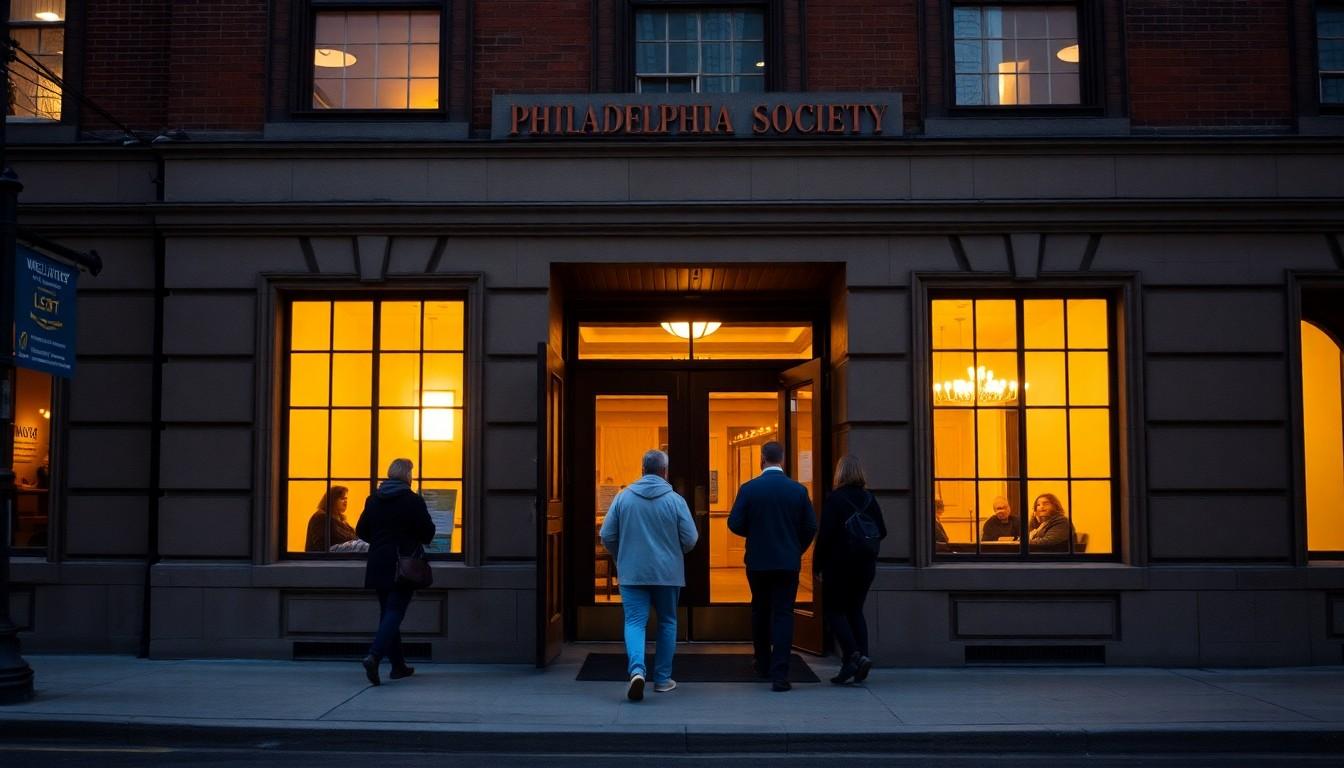
Prospective LGBTQ+ parents in Philadelphia can explore adoption, surrogacy, foster care and donor conception through a free eight-week education series. Starting on 1 October, Pathways to Parenthood pairs practical guidance with legal insight and community connections, helping people understand their choices in a supportive, affirming setting.
Essential Takeaways
- Free weekly sessions: Classes run from 6.30 to 8pm each Thursday, from 1 October to 19 November.
- Wide range of routes: Topics include adoption, foster care, surrogacy and sperm donors.
- Legal guidance matters: A birth certificate may not provide every protection a family needs.
- Community is part of the offer: The series is designed to connect prospective parents at a similar stage.
- Philadelphia has practical support: Local services can help people explore fostering, adoption and parenting pathways.
A clearer way to explore LGBTQ+ family building
Starting a family can feel exciting, but the route there isn't always obvious. For many LGBTQ+ people, becoming a parent involves donor conception, a gestational carrier, adoption or foster care, often alongside specialist medical and legal advice.
That's the thinking behind Pathways to Parenthood, a Philadelphia Family Pride programme designed to make those choices easier to understand. The sessions will take place at the Philadelphia Ethical Society on Rittenhouse Square, giving prospective parents a friendly place to ask questions without having to arrive with a finished plan.
Philadelphia Family Pride's own family-building resources underline the value of learning about several routes before making a decision. That flexibility is useful because the option that sounds right at first may not suit a family's circumstances, budget or timeline. [3], [4]
Eight sessions, several routes to parenthood
The programme covers surrogacy, adoption, foster care and sperm donors, alongside other issues that can shape the journey. Attendees aren't expected to commit to one route simply because they've joined a particular class.
That open approach is particularly helpful for people who are still gathering information. Foster care, for example, involves a different set of expectations and processes from adoption. Philadelphia's official guidance explains that prospective foster carers need to complete an approval process, while local permanency services also distinguish between fostering and longer-term family arrangements. [2], [7]
There are also personal questions to weigh up, from whether someone wants a known or unknown donor to how they feel about pregnancy, legal parentage and contact with birth families. A little honest exploration early on can prevent a lot of confusion later.
Why legal protection deserves more attention
Legal parentage is one of the less glamorous parts of family building, but it's too important to leave until the paperwork becomes urgent. Parents may need advice about court orders, donor arrangements, adoption processes or the rights attached to a particular route.
The programme's legal focus is especially timely for LGBTQ+ families who may worry about discrimination or changing political rhetoric. Philadelphia Family Pride highlights family-building support as part of a broader community infrastructure, while specialist coverage of LGBTQ+ adoption has also stressed the importance of understanding the legal steps involved. [3], [6]
A birth certificate can be reassuring, but it shouldn't automatically be treated as the only document that matters. Families should seek advice from a qualified solicitor or other appropriate professional about their own circumstances, particularly where assisted reproduction, a surrogate or a known donor is involved.
Community support can make the journey less lonely
Information is only half the benefit. Building a family can involve appointments, forms, financial decisions and long stretches of waiting, so meeting people who understand the emotional side can be just as valuable as hearing from professionals.
That community element is central to Philadelphia Family Pride's work. Its resources encourage LGBTQ+ prospective parents to connect with affirming support, while events listings for Pathways to Parenthood offer a straightforward way to find the programme and plan attendance. [3], [4], [5]
It's also worth attending sessions that don't immediately match your preferred route. Circumstances change, and a conversation about foster care or adoption might reveal useful questions for a donor-conception or surrogacy plan. At the very least, you'll come away better informed, which is rarely a bad thing when your future family is involved.
What to do before the first class
Before attending, make a short list of questions rather than trying to research everything at once. Consider your preferred timeline, financial limits, openness to different routes and any medical or legal issues you'd like clarified.
It can also help to separate general information from personal advice. Official Philadelphia resources are a useful starting point for foster care and parenting information, but families should confirm current requirements directly with the relevant organisation. [2]
Most importantly, don't assume there's one correct version of an LGBTQ+ family. The route may be complex, but the options are broader than many people realise. As Philadelphia Family Pride's family-building guidance suggests, informed support can help prospective parents move from uncertainty to a plan. [4]
Pathways to Parenthood runs from 1 October to 19 November, with sessions held weekly from 6.30 to 8pm. Prospective parents can find details and register through Philadelphia Family Pride, or contact the programme organisers directly.
Explore the route that feels right for your future family, with support beside you.
Source Reference Map
Story idea inspired by: [1]
Sources by paragraph: