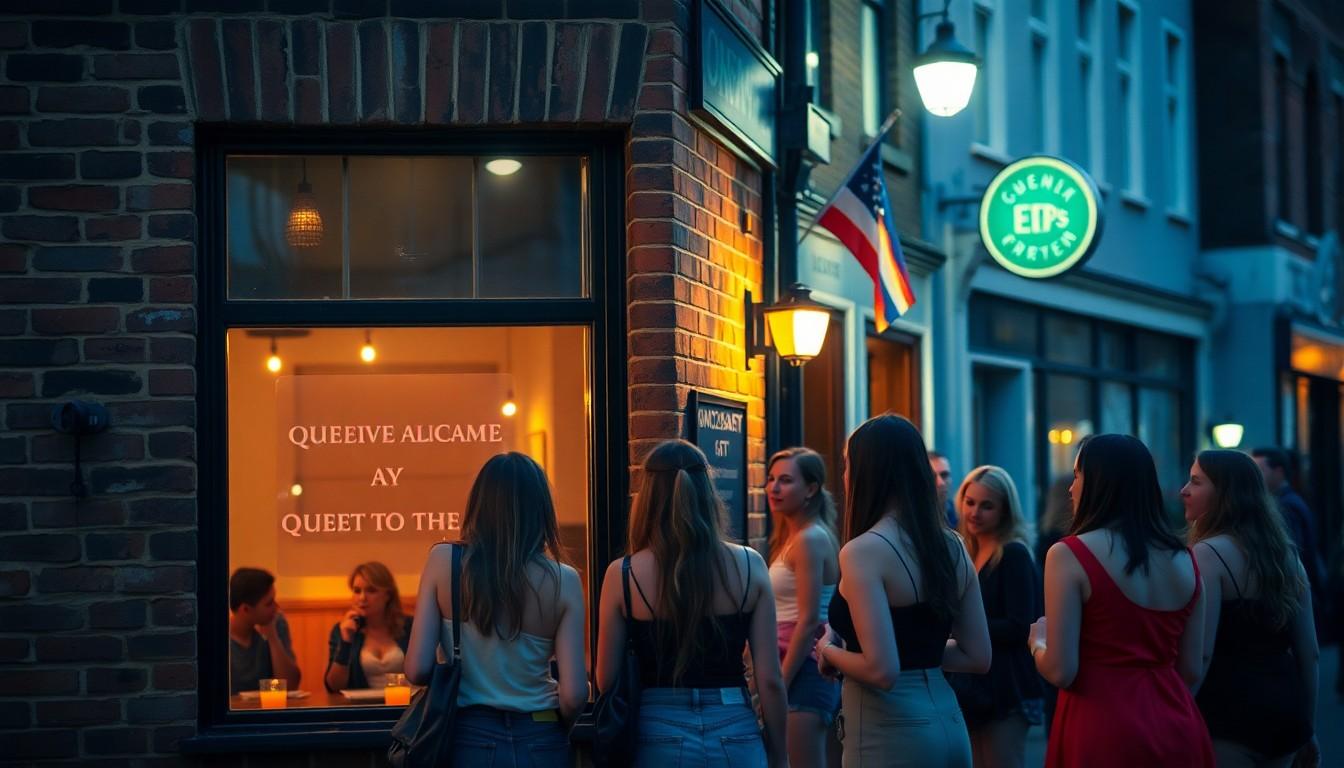
Partygoers are getting ready to celebrate Crushed, Brighton's popular lesbian club night, as it reaches its third birthday on 25 September. With themed evenings, an intentionally welcoming atmosphere and plans to travel beyond the city, the event has become a lively fixture in queer nightlife, while also highlighting the importance of spaces made specifically for LGBTQIA+ women and gender-diverse people.
Essential Takeaways
- Three years strong: Crushed has hosted roughly 30 events since launching in Brighton.
- Themes keep it fresh: Chappell Roan, Halloween and Magic Dyke nights have helped build its following.
- A broad crowd: The event welcomes everyone from freshers and graduates to older butch lesbians.
- The venue picture is changing: The closure of Charles Street Tap means the organisers are looking for a new home.
- Bigger plans ahead: A possible Crushed On The Road tour and festival appearance could take the night beyond Brighton.
Brighton's lesbian nightlife needed something new
The appeal of Crushed is easy to understand: walk into a busy room, add a strong pop soundtrack and give everyone permission to dress up. The result is less like a generic night out and more like a shared ritual, complete with enthusiastic dance-floor participation and plenty of queer recognition.
According to DIVA, founders Neave, Em and Liv created the night after finding Brighton's existing nightlife frustratingly thin on lesbian-focused options. Their answer was direct and practical: build the kind of space they wished had existed when they were younger.
That idea has since grown into an established event, with listings also appearing through Brighton entertainment and nightlife guides including Komedia, Resident Advisor and TravelGay. It matters because a queer city can still leave particular communities feeling overlooked.
Themed nights turned a club event into a community
Crushed's strongest hook is its willingness to commit to a theme. Its Chappell Roan event was an early breakthrough, while Magic Dyke and Halloween nights have developed their own momentum. Dressing up isn't reserved for one special date either, which gives regulars another reason to return.
This is smart nightlife programming, but it also does something more personal. A theme offers an instant conversation starter, a visual identity and a low-pressure way for newcomers to join in. You don't need to know everyone when the room is already singing, dancing and playing along.
The event's wider listings and promotional presence suggest a format that sits comfortably alongside Brighton's broader queer calendar, from club nights to Pride-related fundraisers. Still, Crushed's identity remains clear: it is built around lesbian connection rather than simply adding a rainbow label to a general party.
What makes the crowd feel welcoming?
The organisers' emphasis on friendliness is central to the night. DIVA reports that the team wants the event to feel open rather than cliquey, with door and welfare staff chosen partly for their ability to put people at ease.
That welcome also extends across generations. A typical crowd might include students, graduates and older butch lesbians, which gives the night a more relaxed social texture than a scene aimed only at one age group. In a nightlife world that can feel intimidating at the best of times, that breadth is a genuine strength.
There have been challenges, particularly when people arrive without understanding why a lesbian-specific night needs protecting. The founders describe learning to deal with patronising behaviour and difficult situations while keeping the atmosphere calm. It's not glamorous work, but it is part of what makes an inclusive event function.
A venue closure has forced a fresh chapter
Crushed's former home, Charles Street Tap, has closed, leaving the organisers searching for another venue. That uncertainty arrives at an awkward moment, because a reliable location is often as important to a club night as its music or marketing.
Brighton's queer nightlife scene has long depended on a patchwork of clubs, bars, community events and temporary spaces. Listings on platforms such as Revenge, Komedia and Resident Advisor show how varied that ecosystem can be, but variety doesn't always equal security. Regular nights need venues that understand their audience and can offer consistent welfare and access arrangements.
For anyone planning to attend a future event, it's worth checking the official listing before travelling. Venue details, ticket links and timings can change, particularly while the team works out its next permanent base.
From Brighton favourite to something bigger
The organisers aren't treating the birthday as a finish line. They have discussed taking Crushed on the road, appearing at a festival and becoming more involved with Dyke Pride, whose Brighton events have helped bring large queer crowds together.
There is also a more ambitious long-term vision: a lesbian-run hub combining a coffee shop, bar and event space. That would offer somewhere to meet during the day as well as somewhere to dance at night, recognising that not every lesbian wants their community time to begin after dark.
For now, the most useful form of support is wonderfully simple: attend, buy a ticket if you can and tell people about the night. A full room does more than create atmosphere; it shows venues and organisers that lesbian-focused nightlife has a future.
It's a small act of turning up, but it can help keep a whole scene moving.
Source Reference Map
Story idea inspired by: [1]
Sources by paragraph: