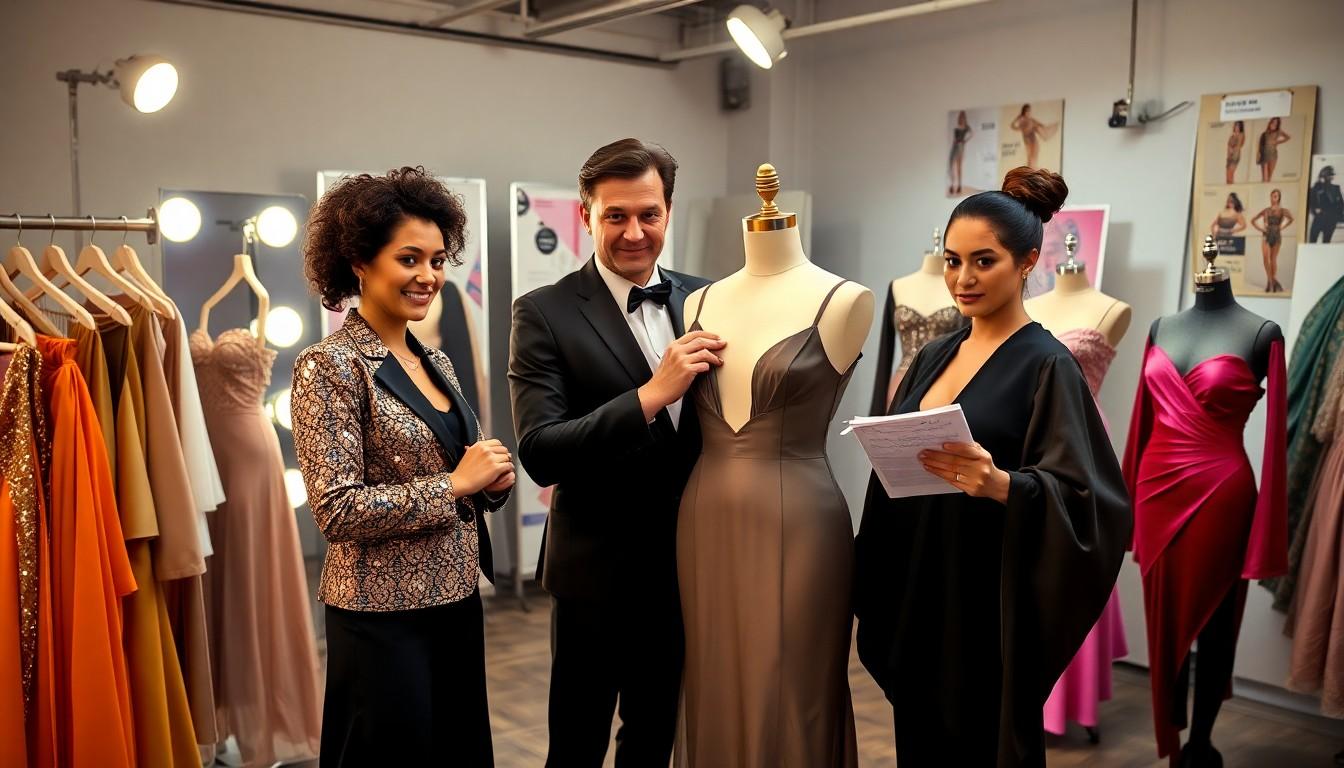
Fashion lovers are embracing ballroom-inspired style across runways, red carpets and social feeds, but the biggest conversation is happening behind the sequins. From New York's Black and Latino LGBTQ+ communities to contemporary Indian design, ballroom fashion shows how clothing can command attention, tell stories and create identity, provided the culture behind the look isn't forgotten.
Essential Takeaways
- Ballroom is performance-led: Clothing, makeup, movement and attitude work together rather than sitting separately.
- The influence is spreading: Dramatic silhouettes and exaggerated styling now appear in editorial fashion, music and celebrity dressing.
- Credit matters: Designers should recognise the communities that developed ballroom's visual language.
- Collaboration is stronger than copying: Working with ballroom creatives can turn inspiration into a genuine exchange.
- The look is highly visual: Bold shapes, polished makeup and movement-friendly pieces translate especially well on screen.
Why ballroom fashion makes such a powerful entrance
A ballroom-inspired look doesn't quietly arrive. It sweeps in with volume, shine, sculpted shape and the kind of deliberate pose that makes even a still photograph feel as though it's moving. That theatrical quality is precisely why fashion designers, stylists and performers keep returning to it.
Ballroom treats clothing as an active part of the performance. A gown can sharpen a turn, tailoring can amplify a stance, and makeup can help construct an entirely new character. The result feels less like getting dressed and more like stepping into a spotlight. Sources covering ballroom and streetwear similarly highlight the importance of silhouette, movement and self-presentation. [2], [7]
From New York ballrooms to the fashion mainstream
Ballroom culture grew through Black and Latino LGBTQ+ communities in New York, where competitions created space for creativity, belonging and self-definition. Its categories, poses and visual codes developed within communities that understood fashion as both armour and celebration.
That history is increasingly visible in mainstream culture. Music videos, celebrity appearances, fashion editorials and social platforms all reward strong visual storytelling, making ballroom's high-impact vocabulary particularly easy to spot. A dramatic shape reads instantly on a screen, while a transformed face or exaggerated pose can travel around the world in seconds. [2], [7]
The shift isn't entirely surprising. Fashion has always borrowed from nightlife, club scenes and subcultures, but digital media has accelerated the process. What once belonged to a particular room or community can now become a global reference point almost overnight.
Designers are borrowing the drama, not just the clothes
For Rahul Gandhi Rohit Khanna, ballroom offers a rich starting point because it understands fashion as spectacle. The designer's comments, reported by Deccan Chronicle, suggest that the most successful interpretation isn't a literal costume copy. Instead, it takes the energy of the source and filters it through a designer's own visual language. [2]
That approach echoes the thinking behind the Rohit Gandhi and Rahul Khanna label's Noir Botanica work, which drew on historic Parisian jazz and nightlife. Coverage of the collection describes a world built around darkness, glamour and theatrical detail, while the brand's product range shows how those ideas can be translated into contemporary Indian occasionwear. [4], [5], [6]
For shoppers, the lesson is useful: ballroom-inspired fashion doesn't have to mean head-to-toe excess. A sculpted shoulder, a liquid fabric, an unexpectedly sharp waist or a carefully exaggerated sleeve can bring the drama down to a wearable level. Your wardrobe needn't look like a stage set, although a little sparkle rarely hurt anyone.
The real question is who gets remembered
Mainstream attention can be flattering, but it can also flatten a culture. Once a visual idea becomes a trend, its origins may disappear behind the finished photograph, leaving the people who developed it out of the story.
That matters because ballroom isn't simply a collection of poses, garments and makeup references. It grew from lived community experience, creative competition and the need to build spaces where identity could be expressed openly. Treating it as a mood board risks reducing a rich cultural practice to surface decoration. [2], [7]
Aisha Ray, a dancer quoted in the coverage, makes the point clearly: ballroom performers have long transformed limited resources into something extraordinary. The excitement of seeing those ideas in fashion is real, she suggests, but so is the responsibility to remember the performers and communities behind them. [2]
How fashion can move from influence to exchange
Acknowledgement is a useful beginning, but meaningful participation goes further. Designers can commission ballroom artists, collaborate with performers, create paid creative roles and ensure that the people shaping the reference are visible in the final work.
That difference is important for anyone discussing ballroom-inspired fashion. Inspiration travels in every direction, but the most respectful versions create a relationship rather than simply extracting an image. Coverage of the trend points towards this kind of exchange as a way for fashion to engage with ballroom's history while allowing the culture to keep evolving. [2], [7]
The outlook is promising, particularly as audiences become more alert to questions of credit and representation. Ballroom's influence is already firmly established; the next step is making sure its creators aren't treated as an afterthought once the lights come on.
It's a striking look, but its deepest power lies in the people who made it possible.
Source Reference Map
Story idea inspired by: [1]
Sources by paragraph: