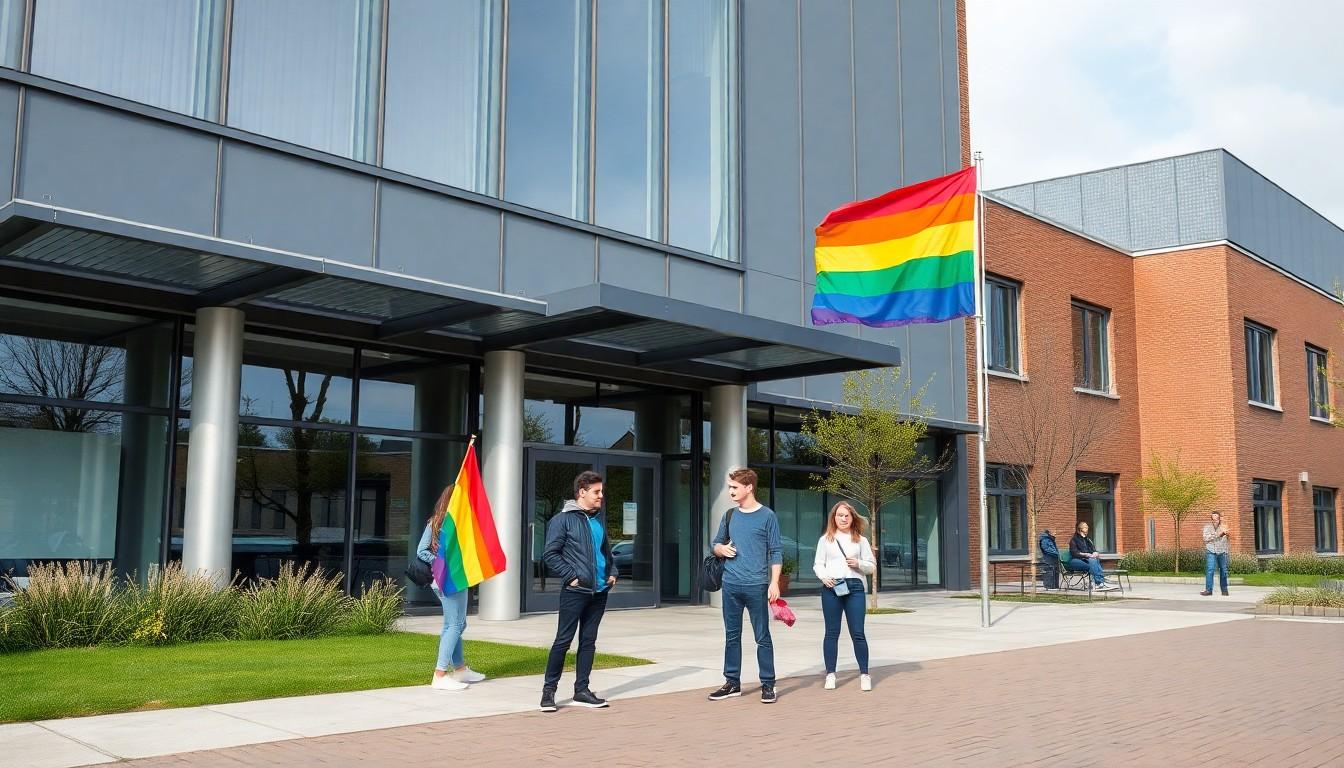
New research in the Netherlands has found a sharp drop in positive attitudes towards homosexuality among teenagers, raising fresh concerns for schools, families and social media platforms. The findings matter because the decline cuts across gender, school type, income and migration background, suggesting a wider cultural shift rather than an isolated classroom problem.
Essential takeaways
- Acceptance has fallen sharply: Just 22% of boys aged 12 to 16 now express a positive attitude towards homosexuality, compared with 51% of girls.
- The change affects everyone: Researchers found lower acceptance among pupils across school levels, family incomes and backgrounds.
- Schools are noticing: Resistance to LGBTQ+ inclusion events such as Purple Friday appears to be growing.
- Online culture may play a role: Researchers point to the influence of the manosphere and rigid ideas about gender.
- The evidence calls for action: LGBTQ+ organisations are urging policymakers, schools, parents and social media companies to respond quickly.
A striking reversal among young people
The most unsettling detail is the direction of travel. Acceptance of homosexuality had generally increased among teenagers for years, but the latest Dutch research suggests that progress has gone into reverse.
A representative study of 6,600 pupils by Utrecht University and the Trimbos Institute found that only 22% of boys aged 12 to 16 held a positive view of homosexuality. Among girls, the figure was higher at 51%, but it had fallen from 78% four years earlier, according to Trimbos Institute.
That gap is significant, but the broader picture is just as important. The decline wasn't limited to one type of pupil or one part of the country. Researchers say it appeared among boys and girls, vocational and academic pupils, and teenagers from both lower- and higher-income households.
Why Purple Friday has become a flashpoint
Schools had already been reporting signs of a changing mood, particularly around Purple Friday, an annual event promoting LGBTQ+ acceptance. What was once a fairly straightforward piece of school inclusion work has increasingly become a point of debate and, in some places, open resistance.
COC, the Dutch LGBTQ+ rights organisation, described the new findings as deeply alarming and called on the government, schools, parents and social media companies to act. Its response reflects a concern that visibility itself is becoming controversial, rather than simply disagreement about a particular lesson or event.
That matters for pupils who are questioning their sexuality or gender identity. A rainbow poster or a themed school day may look symbolic to adults, but for a teenager it can signal whether they are likely to be supported, ignored or singled out.
The manosphere enters the classroom
The researchers haven't identified one definitive cause, but they highlight the possible influence of the manosphere, a loose online network of influencers promoting strict ideas about masculinity and relationships. In that world, men are often expected to be dominant, physically strong, successful and heterosexual, while women are presented as decorative and obedient.
Those messages can be difficult to avoid. Research reported by de Volkskrant found that such ideas had become increasingly visible on the TikTok profiles of school pupils, while teacher surveys suggested that manosphere beliefs were finding their way into classrooms.
The online effect isn't necessarily dramatic or obvious. It can arrive as a steady stream of jokes, short videos and supposedly motivational advice. Over time, that background noise may make contemptuous attitudes feel normal, especially when social media rewards the loudest and most provocative voices.
This isn't simply a migration story
The findings also challenge an easy explanation for the decline. Lead researcher Gonneke Stevens said the data doesn't point to migration background as the cause, because acceptance had fallen among teenagers with and without a migration background.
That distinction is crucial. When attitudes shift across such a broad range of pupils, it suggests that the explanation lies in the wider social environment, including political debate, online culture and changing ideas about gender and identity.
Tilburg University sociologist Inge Sieben said the study was carefully designed and matched patterns seen in longer-running European values research. Earlier work had already suggested that younger generations were becoming more conservative on subjects such as gender roles and abortion, while some appeared more religious.
What schools and parents can do now
There is no single fix, but silence is unlikely to help. Schools can make LGBTQ+ inclusion part of everyday pastoral care rather than treating it as an annual event, while teachers need clear support when pupils repeat hostile or degrading ideas.
Parents can also ask what children are watching online without turning every conversation into an interrogation. A simple question about a video, influencer or comment can reveal whether a teenager is absorbing ideas that present respect as weakness.
The research also underlines the need for better digital literacy. Young people should be able to recognise when content is designed to provoke, sell an identity or funnel them towards more extreme material. That lesson is useful far beyond LGBTQ+ issues.
The figures are worrying, but they aren't destiny. Attitudes can change again when young people encounter thoughtful teaching, supportive peers and adults willing to challenge prejudice without humiliating them.
Protecting acceptance now means making inclusion visible, ordinary and properly supported.
Source Reference Map
Story idea inspired by: [1]
Sources by paragraph:
- Paragraph 1: [2], [3]
- Paragraph 2: [2], [6]
- Paragraph 3: [3], [7]
- Paragraph 4: [5], [6]
- Paragraph 5: [2], [3]
- Paragraph 6: [5], [7]
- Paragraph 7: [2], [6]
- Paragraph 8: [6], [5]
- Paragraph 9: [2], [3]
- Paragraph 10: [5], [7]
- Paragraph 11: [2], [6]
- Paragraph 12: [3], [7]
- Paragraph 13: [2], [5]
- Paragraph 14: [3], [6]