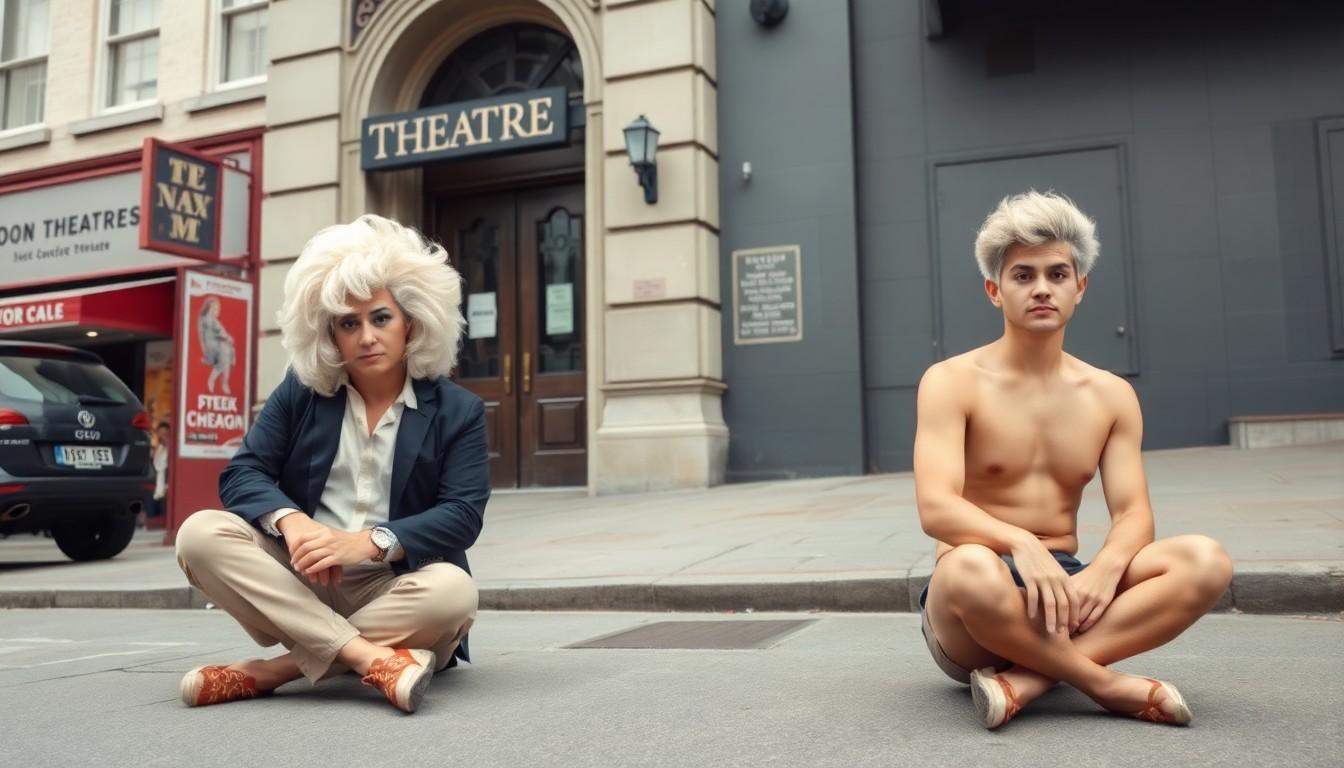
Fans are sharing side-by-side drag transformations across social media, celebrating the artistry, surprise and sheer glamour behind the looks. From established Drag Race names to lesser-known performers, the trend shows why drag makeup, wigs and styling remain so captivating, while offering a playful glimpse at the people behind the characters.
Essential Takeaways
- The format is simple: Performers post one image in drag and another out of drag.
- The appeal is visual: Makeup, wigs, contouring and costume can create dramatic transformations.
- The trend is broader than television: Many of the most discussed queens aren't household names.
- Drag keeps evolving online: Social platforms have become stages for performance, community and discovery.
- The reaction is playful: Fans are responding with admiration, surprise and plenty of thirst.
The before-and-after format is doing all the work
The latest social media craze has a wonderfully straightforward hook: one photograph in drag, one without it, and a dramatic reveal in between. The contrast can be startling, especially when a towering wig, sharp contour and glittering costume give a performer an entirely new silhouette.
That surprise is part of the pleasure, but it isn't the whole story. These posts also underline how much craft goes into drag, from facial transformation and hair design to posture, expression and lighting. Out Magazine has previously highlighted the fan fascination surrounding Drag Race contestants away from the runway, showing that the person behind the persona can be just as intriguing as the finished look.
Why the transformations feel so convincing
Drag isn't simply a costume change. It can alter the way a face catches light, the apparent shape of the jaw and cheekbones, and even the energy a performer projects. Add false lashes, coloured contacts, padded garments or a sculptural wig, and the result can look almost cinematic.
That artistry has always travelled well online. During lockdown, ABC News reported on the "Pass the Brush" challenge, which gave drag performers a way to share transformations and stay connected while live venues were closed. The format worked because it made technique visible, turning a familiar beauty reveal into a compact performance.
Social media has become a second stage
For queens without a television platform, these posts offer a direct route to an audience. A single side-by-side image can introduce a performer to people who might never have encountered them in a club, on tour or at a pride event.
The wider digital shift has been building for years. GQ examined how drag artists moved performances online during the coronavirus era, while Vogue has explored drag performers finding communities through gaming and livestreaming. The common thread is adaptability: queens aren't waiting for one traditional stage to validate their work.
It isn't only famous Drag Race faces
Television names naturally attract attention, but the current conversation is also opening the door to performers who aren't regulars on reality TV. That matters because drag culture is far bigger than any single franchise, and social media can surface regional, independent and emerging talent with remarkable speed.
There is also a useful reminder here for viewers. A viral post may be a polished snapshot rather than a complete introduction to an artist's work, so it's worth following performers, checking their event listings and supporting their shows when possible. Admiring the reveal is fun; recognising the labour behind it is even better.
The next reveal is already part of the show
Part of the trend's staying power comes from its low barrier to entry. Viewers understand the joke immediately, performers can participate from almost anywhere, and every post offers a new combination of surprise and personality.
Drag has always played with transformation, identity and theatrical misdirection. Online, that tradition has found a fast, shareable format that can be glamorous, cheeky and occasionally jaw-dropping. As long as audiences remain curious about the artist as well as the image, the trend has plenty of room to keep evolving.
A great reveal may last seconds, but the artistry behind it takes far longer.
Source Reference Map
Story idea inspired by: [1]
Sources by paragraph: