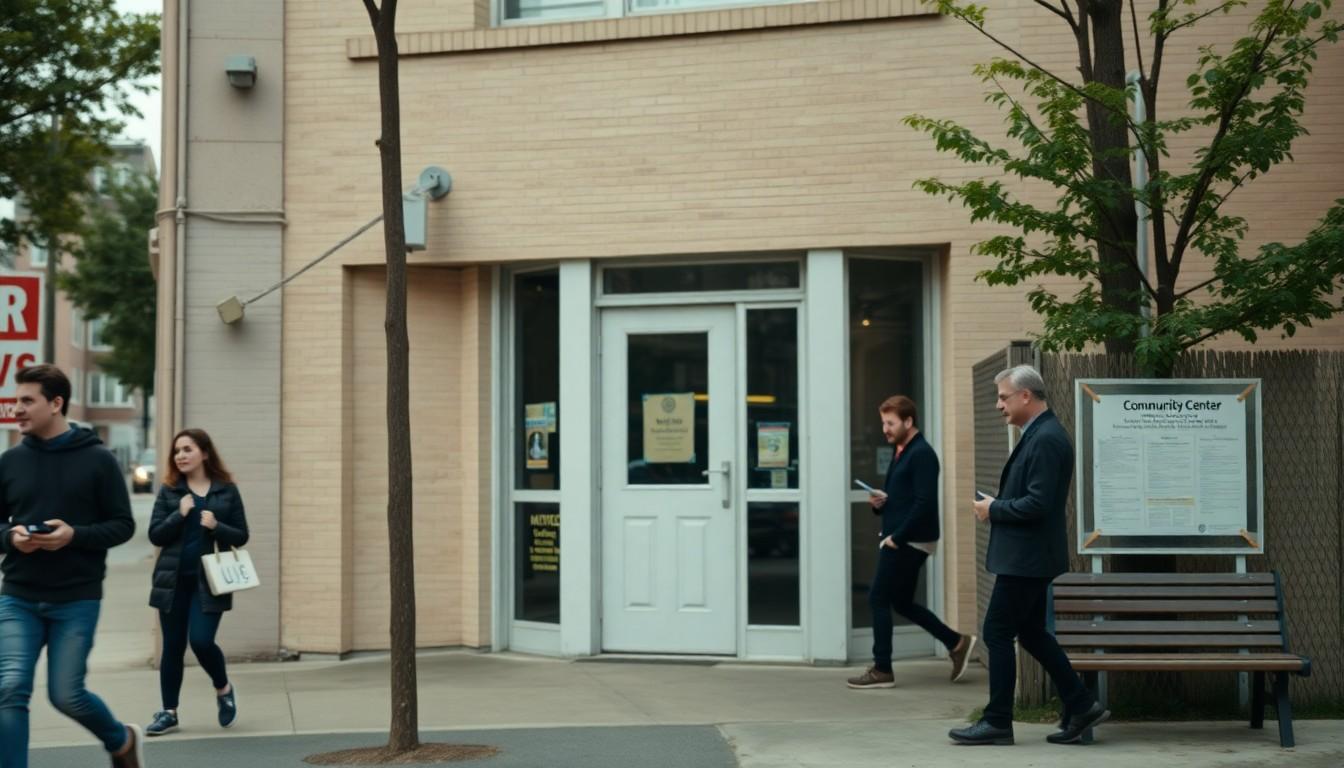
Readers are rethinking chosen family as queer and marginalised communities ask what belonging really means. The idea can offer warmth, safety and practical support, but shared identity alone doesn't guarantee trust. A new first-person critique has reopened that difficult conversation, alongside research and personal accounts about how these bonds are built, tested and sometimes withdrawn.
Essential Takeaways
- Identity isn't a safety guarantee: Shared race, sexuality, gender or politics doesn't automatically create solidarity.
- Chosen family is active, not permanent: These relationships need care, accountability and room for disagreement.
- Exclusion can hurt more when it comes from insiders: Betrayal often cuts deepest when people appear to understand your experience.
- Support should be practical: Reliable help, clear boundaries and consistent behaviour matter more than affectionate labels.
- Healthy belonging leaves room for criticism: A group that demands silence may offer community in name only.
Shared identity can feel like a promise
The appeal of chosen family is easy to understand. For people pushed away by relatives, institutions or wider society, finding others who recognise their experience can feel like stepping into a warm, softly lit room after years in the cold.
The term has particular roots in queer communities, where friends and community members have often provided emotional, financial and practical support when biological families were rejecting or unavailable. Wikipedia's overview of chosen family reflects that broader meaning: family can be formed through commitment and care rather than ancestry alone.
But the emotional promise can become too large. If someone assumes that a shared identity guarantees protection, ordinary conflict may feel like a profound breach. Worse, harmful behaviour can be excused because the person involved is seen as part of the same "us".
That is the central warning in Tara Knight's critique, which argues that resemblance and solidarity are not interchangeable. It isn't a comfortable idea, but it's an important one.
Belonging isn't the same as being safe
People often use words such as "sister", "brother" or "family" to signal closeness. Those terms can be deeply affirming, particularly for anyone who has spent years being treated as disposable. Yet language can create expectations that a relationship hasn't earned.
Personal accounts collected by LGBTQ+ publication LOTL describe chosen family as a source of friendship, care and resilience. Those bonds can be life-changing, but they still depend on behaviour. A person who uses the right language while ignoring your boundaries isn't offering the same thing as someone who turns up consistently when life becomes difficult.
Psychology Today makes a similar case for the value of chosen family, presenting it as a network that can strengthen wellbeing and provide meaningful connection. The catch is that support works best when it is mutual. One person can't keep supplying patience, money, labour or emotional availability while receiving only slogans in return.
So, if a group says "we've got you", it's worth noticing what happens next. Do members listen when you're angry? Can you disagree with influential people? Are those with less money, status or social confidence treated with the same respect?
Why insider betrayal feels so sharp
Harm from strangers is painful, but harm from people who seem to understand you can scramble your sense of judgement. The mind keeps searching for an explanation: perhaps you misunderstood, perhaps the group is under pressure, perhaps the person who caused the damage is still fundamentally safe.
That uncertainty is part of what makes exclusion within a community so destabilising. Research published in The Journals of Gerontology: Series B examines the significance of social relationships and belonging in later life, reinforcing a wider point: connection matters, but the quality and reliability of that connection matter too.
A community can therefore reproduce some of the same hierarchies it claims to oppose. Status, charisma, money, beauty, political influence and social fluency can all shape who gets believed. Shared pronouns or progressive language won't automatically dismantle those patterns.
The uncomfortable truth is that a group may look welcoming from the outside while quietly rationing acceptance. You might be included when agreeable, useful or easy to manage, then pushed to the margins once you become critical.
Choosing a healthier support network
There isn't a perfect checklist for finding safe people, but there are useful clues. Look for relationships where apologies lead to changed behaviour, disagreements don't trigger punishment and support isn't offered only when you're cheerful or convenient.
The Multiamory podcast's discussion of chosen family frames these relationships as intentional and negotiated. That matters because family-like closeness still needs conversations about expectations, communication and limits. Affection alone can't carry the entire structure.
It also helps to build more than one layer of support. One close friend shouldn't be your only source of housing advice, emotional care, emergency money or community connection. A broader network can make relationships feel less pressured and make it easier to step back when something becomes unhealthy.
Practical questions can reveal a lot: Can I say no here? Will my privacy be respected? Can I raise a concern without being labelled disloyal? Do people help quietly, or only perform solidarity in public?
Chosen family should be earned repeatedly
Chosen family remains a powerful idea because it recognises something biological definitions often miss: love is demonstrated through action. People become family when they make room, share responsibility and keep showing up.
But the label shouldn't become a shield against scrutiny. A relationship can be meaningful and still contain jealousy, avoidance, unequal labour or control. Naming those problems doesn't betray community; it can be a way of taking community seriously.
A review in the National Library of Medicine explores how social connection and interpersonal relationships relate to health and wellbeing, adding weight to the idea that belonging isn't merely decorative. The people around us can steady us, but they can also exhaust us when care is conditional or one-sided.
The strongest chosen families aren't built on the fantasy that everyone is automatically safe. They're built on accountability, repair and the freedom to remain a full person. That's a quieter promise, perhaps, but a far more dependable one.
It's belonging with the doors open, the boundaries clear and the welcome backed by action.
Source Reference Map
Story idea inspired by: [1]
Sources by paragraph: