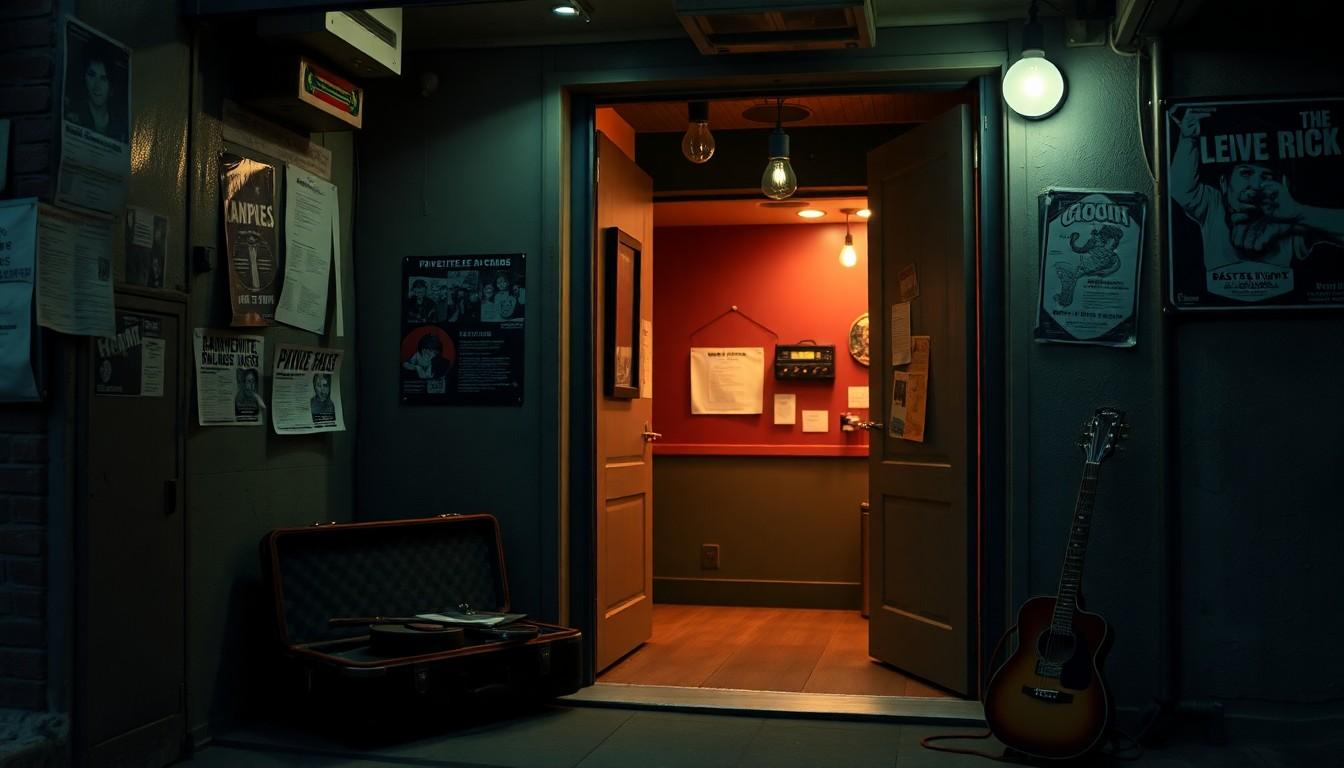
Viewers are discovering Rock Out, a new four-part documentary series on Revry that traces LGBTQ+ influence across rock, punk and metal. Inspired partly by Dustin Lance Black’s late brother Marcus, the project looks beyond famous performers to uncover the hidden communities, creative forces and hard-won belonging behind rebellious music.
Essential Takeaways
- A personal starting point: Black created the series partly in response to his late brother Marcus’s loneliness as a gay rock and metal fan.
- A broad musical journey: Rock Out explores queer contributions from the 1950s onwards, including artists, managers and behind-the-scenes figures.
- Four episodes on Revry: The series is available through the LGBTQ+ streaming platform, with festival screenings adding to its reach.
- History with emotional weight: The documentary links music discovery with identity, pride and the search for community.
- A timely reminder: Rock’s supposedly straight, macho image has never told the whole story.
A brother’s question sits at the heart of Rock Out
The most powerful detail in Rock Out isn't a famous riff or a backstage anecdote. It's the question Dustin Lance Black says his late brother Marcus once asked him: whether there were other gay people like him.
That memory gives the four-part series a tender, searching quality. Black, whose work includes the Oscar-winning screenplay for Milk, approaches queer music history not simply as a cultural catalogue, but as an answer arriving years too late. According to Queerty, Marcus found refuge in rock, punk and metal, even while feeling isolated within both queer and music communities.
For Black, that gap between loving a culture and seeing yourself reflected in it became impossible to ignore. The result is a documentary with a clear emotional mission: to show that LGBTQ+ people weren't visitors in rock history. They helped shape it.
The hidden queer history behind rebellious music
Rock has long sold itself as dangerous, unruly and outside the mainstream. Yet its public image has often been surprisingly narrow, especially when it comes to sexuality and gender. Rock Out sets out to widen the frame, moving from the industry's early decades through the more openly defiant eras of the 1970s, 1980s and beyond.
The series looks at more than frontpeople with flamboyant stage personas. Its story includes managers, producers and other influential figures whose work helped build the music world from the ground up. That broader approach matters, because cultural change rarely comes from the person holding the microphone alone.
Festival listings from Sheffield DocFest and Outfest-style programming place Rock Out within a wider documentary and LGBTQ+ film conversation. It feels like a natural fit: music history is at its most revealing when it follows the people who were overlooked, edited out or expected to stay discreet.
From Little Richard to metal’s outsiders
The musical trail is deliberately wide-ranging. Black has pointed to figures and groups including Little Richard, the Beatles, Judas Priest and The Dead Milkmen, suggesting a story that crosses generations, styles and levels of visibility.
That mix should appeal to viewers who want more than a parade of familiar names. Little Richard's complicated relationship with faith and sexuality, the coded possibilities of pop stardom, and the openly queer presence that emerged in heavier music all form part of a larger picture. None of it fits neatly into a single timeline, which is rather the point.
The Los Angeles Blade highlighted the series as a chance to revisit rock's queer roots. For fans, that may mean a satisfying reappraisal of records they already know. For newcomers, it offers a useful way into the subject: start with the music, then ask who was allowed to claim it publicly.
Why representation mattered so much before the internet
Marcus came of age when finding a queer community could depend on chance, courage and a well-hidden network of friends. The internet was not yet the instant connection point it is now, and hard-edged rock scenes could be especially hostile to anyone who didn't fit their expected mould.
That context helps explain why music could be both a lifeline and a lonely place. A record might offer recognition, while the surrounding culture offered little reassurance that there was a place for the person listening. Black's interviews, as reported by Queerty, frame the documentary as an attempt to reach others who may still feel like outsiders among outsiders.
The practical lesson for viewers is simple: don't judge a scene by its loudest stereotype. Whether you're exploring classic rock, punk or metal, look for the memoirs, local histories, archival interviews and queer publications that reveal who was making the culture possible. The overlooked stories are often the ones with the most pulse.
Rock Out turns grief into belonging
Black has described the series as a responsibility, shaped by his regret that he couldn't give Marcus a stronger sense of community while he was alive. That's a painful foundation, but it also makes the project feel unusually direct. This isn't nostalgia polished until it loses its rough edges; it's an act of recovery.
Listings from Revry, NewFest and festival programmes show the series travelling through spaces built for queer audiences and documentary fans alike. That matters because Rock Out isn't only about correcting the past. It's also about giving today's viewers a stronger sense of ownership over music that may once have seemed closed to them.
There is something moving in the idea that a documentary can arrive as a belated answer to a family conversation. Marcus may not have received it, but other viewers can. Sometimes cultural history does its best work quietly, helping someone press play and feel a little less alone.
Rock Out offers a louder, fuller answer to who belongs in rock history.
Source Reference Map
Story idea inspired by: [1]
Sources by paragraph:
- Paragraph 1: [2], [4]
- Paragraph 2: [3], [6]
- Paragraph 3: [5], [4]
- Paragraph 4: [2], [3]
- Paragraph 5: [6], [5]
- Paragraph 6: [2], [4]
- Paragraph 7: [3], [6]
- Paragraph 8: [2], [5]
- Paragraph 9: [4], [6]
- Paragraph 10: [2], [3]
- Paragraph 11: [5], [6]
- Paragraph 12: [4], [5]
- Paragraph 13: [2], [3]
- Paragraph 14: [4], [6]
- Paragraph 15: [5], [2]