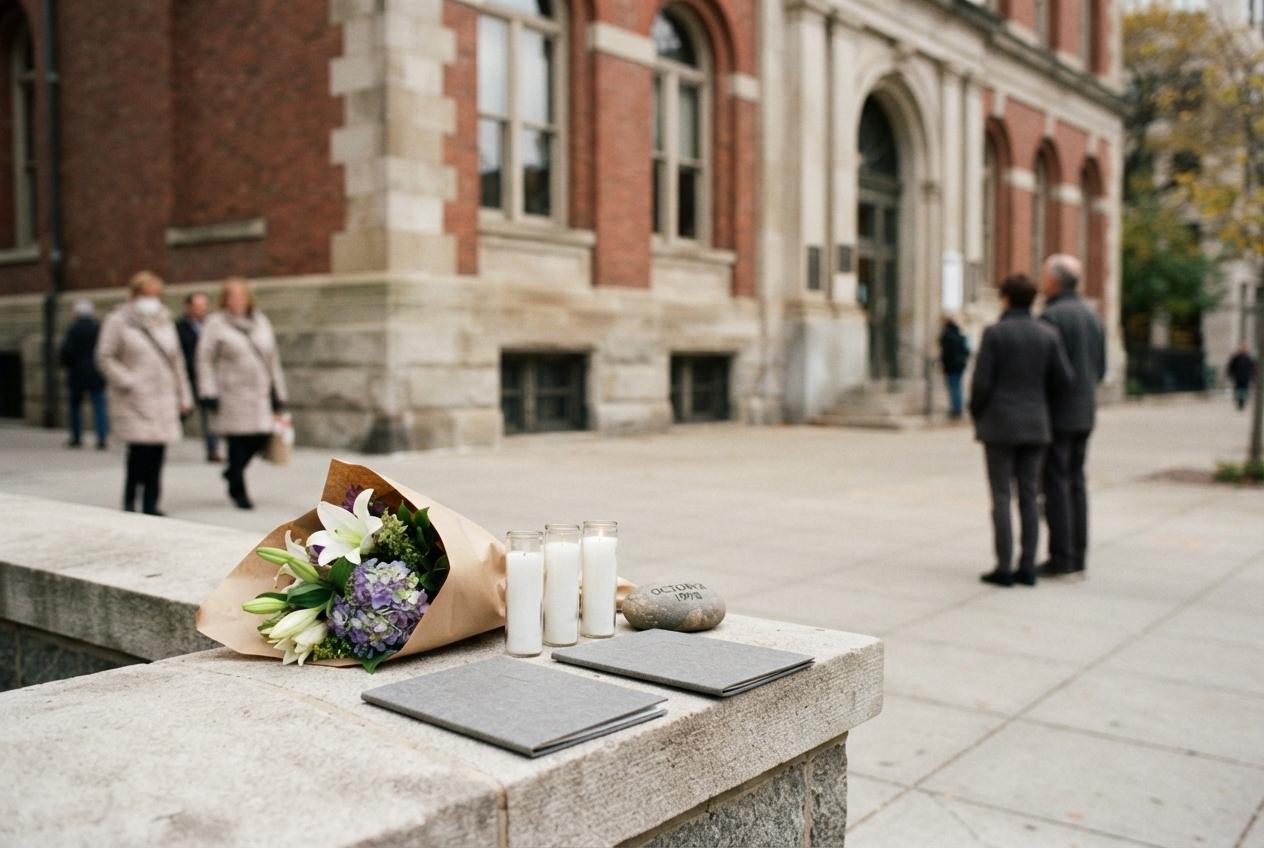
As the US marks 25 years since 9/11, attention is turning to the LGBTQ people among those lost, the partners who faced unequal treatment, and the communities that rallied in grief. Their stories add a deeply personal layer to the anniversary, while showing how crisis exposed both extraordinary courage and the painful gaps in legal recognition.
Essential Takeaways
- Several LGBTQ people died: Victims included pilot David Charlebois, public relations executive Mark Bingham and firefighter chaplain Father Mychal Judge.
- Courage came in many forms: Bingham was among passengers who attempted to retake control of United Airlines Flight 93.
- Partners faced barriers: Some same-sex partners initially struggled to access survivor assistance because their relationships weren't legally recognised.
- Communities organised: LGBTQ groups created support networks and pressed officials to correct unequal treatment.
- The legacy continues: The anniversary has renewed interest in remembrance, recognition and the fight for equal protection.
The LGBTQ lives woven into 9/11's story
The scale of 9/11 can make individual stories feel almost impossible to hold on to. Yet remembrance often begins with a name, a face and the people who loved someone who never came home.
Among the LGBTQ victims was David Charlebois, a gay American Airlines co-pilot killed when Flight 77 struck the Pentagon. His partner, Tom Hay, was treated with care by colleagues and the airline, which acknowledged Charlebois's relationship and his work supporting equality in aviation.
Mark Bingham, a gay public relations executive from San Francisco, was also aboard Flight 93. Reporting widely credited him and other passengers with trying to storm the cockpit, an act that may have prevented the aircraft from reaching its intended target.
Father Mychal Judge became a symbol of service
Father Mychal Judge, a gay Franciscan priest and New York City Fire Department chaplain, ran towards the disaster at the World Trade Center. He died after being struck by debris while ministering to a fallen firefighter, according to accounts highlighted by The Advocate and Them.
Judge had long been a familiar presence at fires and LGBTQ and AIDS demonstrations. Journalist Andy Humm later remembered him as someone who moved easily between communities, offering moral support in a monk's habit while standing alongside firefighters and queer activists alike.
That combination of faith, public service and LGBTQ visibility has helped keep Judge's story alive. But efforts to have him formally canonised did not secure sufficient backing from Catholic authorities, despite renewed interest from supporters.
When grief met unequal recognition
The attacks also exposed a harsh practical reality. Same-sex partners grieving in New York, Washington and elsewhere sometimes had to prove relationships that heterosexual spouses could establish automatically.
For people searching for missing loved ones or seeking financial support, the extra paperwork wasn't a minor inconvenience. It arrived at the worst possible moment, when families were frightened, exhausted and desperate for answers.
The Washington Post reported one important exception in 2003, when Peggy Neff received compensation after the death of her longtime partner, Sheila Hein, a civilian Pentagon employee. Even so, Lambda Legal told the Washington Blade that many LGBTQ partners were unable to obtain the same federal benefits available to married heterosexual spouses.
Activists turned a crisis into a push for change
LGBTQ organisations didn't simply document the unfairness. They lobbied officials, challenged exclusions and created the September 11 Gay and Lesbian Family Fund to support partners left out of federal relief arrangements.
New York moved more quickly in some areas. Then-governor George Pataki issued an executive order allowing surviving same-sex partners of World Trade Center victims to receive full benefits through the state's crime victims system.
The changes didn't erase the hurt, but they helped demonstrate how emergency policy can either deepen inequality or correct it. In the years that followed, advocates pointed to 9/11 as one of the experiences that strengthened the case for legal recognition of same-sex relationships, culminating nationally in the US Supreme Court's 2015 marriage equality ruling.
Remembering people, not just events
This year's commemorations at the Pentagon, the World Trade Center site and the Shanksville memorial will inevitably focus on the enormity of the attacks. But the LGBTQ stories bring the anniversary back to human scale.
They also show that community support was never one-directional. LGBTQ people mourned, served, organised and, in some cases, risked their lives to protect others. That history deserves a place alongside the better-known public narrative.
Twenty-five years on, remembrance is still about grief. It's also about asking who was recognised, who was overlooked and what changed because people refused to accept unequal treatment as inevitable.
Their stories remain part of the work of remembering 9/11 with honesty and care.
Source Reference Map
Story idea inspired by: [1]
Sources by paragraph:
- Paragraph 1: [2], [5]
- Paragraph 2: [3], [4]
- Paragraph 3: [5], [7]
- Paragraph 4: [2], [3]
- Paragraph 5: [4], [6]
- Paragraph 6: [5], [7]
- Paragraph 7: [2], [4]
- Paragraph 8: [3], [5]
- Paragraph 9: [2], [6]
- Paragraph 10: [4], [5]
- Paragraph 11: [2], [3]
- Paragraph 12: [5], [7]
- Paragraph 13: [2], [4]
- Paragraph 14: [3], [5]
- Paragraph 15: [2], [4]