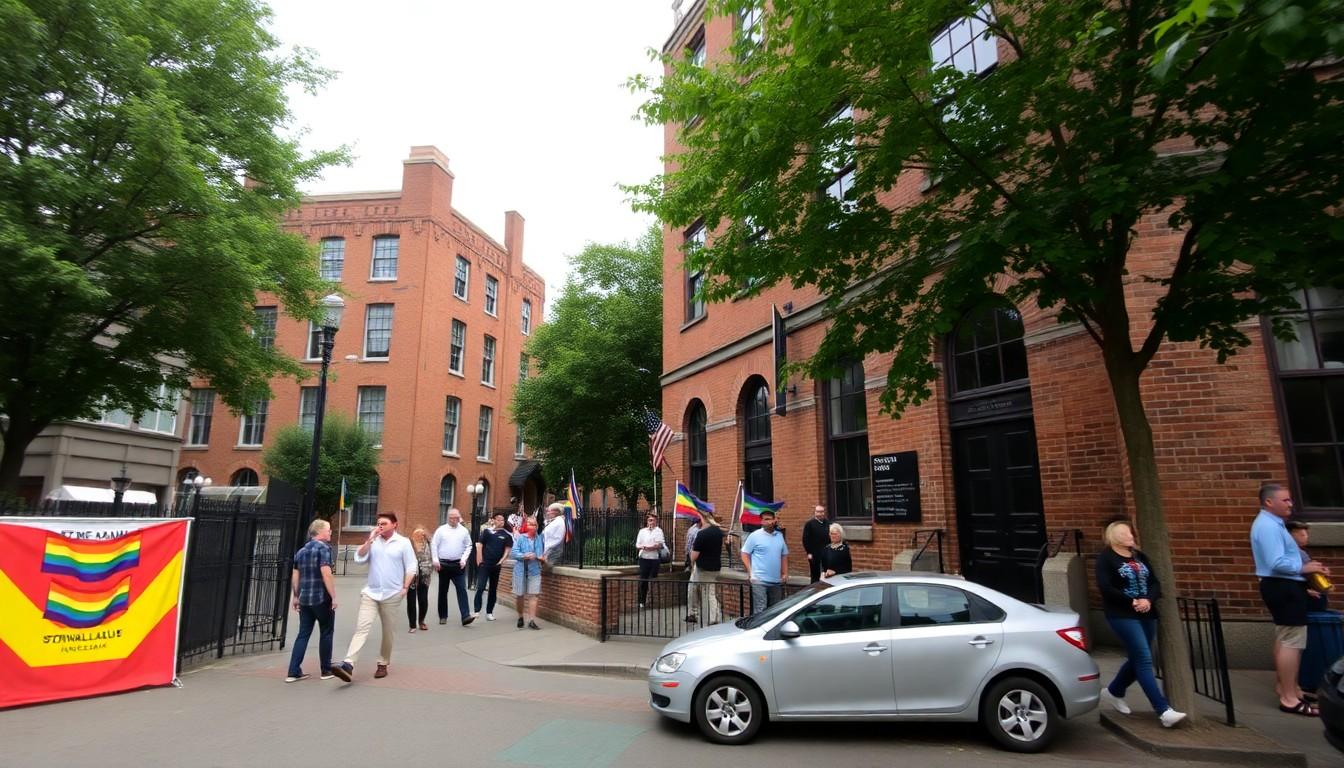
Readers are catching up on a lively mix of LGBTQ+ culture and current affairs, from Rob Jetten's approach to Pride politics to Wanda Sykes' long marriage and Dwyane Wade's changing locker-room perspective. Together, these stories show why visibility still matters, whether it's happening in government, entertainment, sport or a museum packed with history.
Essential Takeaways
- Visibility matters: Public figures are using their platforms to make LGBTQ+ lives more visible.
- Marriage takes work: Wanda Sykes points to humour and friendship as important parts of lasting love.
- Sport is changing: Dwyane Wade's experience highlights the impact of challenging casual homophobia.
- History needs room: The Stonewall National Museum is seeking a larger home for its collection.
- Personal stories resonate: Ruby Rose's tribute to Hayden Panettiere shows the emotional weight of friendship and loss.
Pride politics is becoming more personal
Rob Jetten's comments on Pride place visibility at the centre of political leadership. As the Netherlands' prime minister, his public presence carries symbolic weight, but his message is also practical: showing up can reassure people who may feel pushed to the margins.
That matters at a time when Pride is often discussed as both celebration and protest. According to Attitude, Jetten spoke about the relationship between LGBTQ+ rights, politics and the importance of being present, rather than treating inclusion as a once-a-year slogan.
The wider point is easy to miss amid the flags and speeches. Representation isn't only about making history; it's about making people feel that public life includes them too. [3]
Wanda Sykes keeps marriage advice refreshingly simple
Ahead of her 18th wedding anniversary with Alex Niedbalski, Wanda Sykes offered a notably grounded view of marriage. Rather than presenting a polished secret formula, she highlighted the everyday qualities that help a relationship stay warm, funny and resilient.
People reported that Sykes sees friendship and humour as central to the couple's bond. It's advice that feels more useful than grand romantic declarations because long relationships are usually built in the quieter moments, including the ability to laugh when life gets awkward.
For readers looking for LGBTQ+ relationship advice, the takeaway is reassuringly ordinary: affection matters, but so do patience, companionship and not taking every minor disagreement as a dramatic season finale. [4]
Ruby Rose's tribute brings celebrity grief into focus
Ruby Rose became emotional while remembering Hayden Panettiere, describing her as a best friend and recalling years of regular conversation. The detail gives the tribute its force. It isn't simply a familiar face praising another performer; it's someone mourning a relationship woven through daily life.
Entertainment Weekly reported that Rose and Panettiere had spoken every day for five years. That kind of closeness makes grief feel immediate, especially when public memories can never capture the full texture of a private friendship.
Celebrity tributes often travel quickly online, but the most affecting ones are usually the least theatrical. A repeated phone call, an inside joke or the sense that someone was part of your routine can say far more than a formal statement. [5]
Dwyane Wade shows how locker-room culture can shift
Dwyane Wade's story offers a different kind of visibility, rooted in sport rather than celebrity interviews or political speeches. He recalled moving away from laughing along with locker-room jokes and challenging a close friend on the team instead.
That change is significant because casual homophobia often survives through silence, not just openly hostile language. Outsports' account presents Wade's decision as a reminder that influential teammates can alter the atmosphere simply by refusing to reward harmful behaviour.
The lesson extends beyond basketball. In workplaces, clubs and changing rooms, one clear objection can make others reconsider what they repeat. It may feel uncomfortable in the moment, but that discomfort is often the point at which a culture starts to move. [6]
LGBTQ+ history needs more than a storage cupboard
The Stonewall National Museum's search for a larger space underlines a practical problem behind the celebration of LGBTQ+ history: important collections need somewhere safe, accessible and big enough to be seen.
The Advocate reported that the museum is overflowing with material. That may sound like a fortunate problem, but cramped surroundings can limit exhibitions, research and public access. A larger home could help turn stored objects and documents into a more visible, living resource.
There is something encouraging in the pressure created by a growing collection. It suggests that LGBTQ+ history is being preserved with real momentum. The challenge now is making sure the stories have room to breathe. [7]
A weekend of stories with a common thread
Taken together, these headlines move between government, marriage, grief, sport and heritage. Their subjects are different, but each story comes back to the same question: who gets to be visible, heard and remembered?
That is why a round-up like this feels more substantial than a list of celebrity updates. Whether someone is speaking in parliament, defending a friend, reflecting on a marriage or protecting a museum collection, small acts of openness can have a surprisingly long reach. [3]
It's a small weekend selection, but the message is broad: visibility still changes the room.
Source Reference Map
Story idea inspired by: [1]
Sources by paragraph: