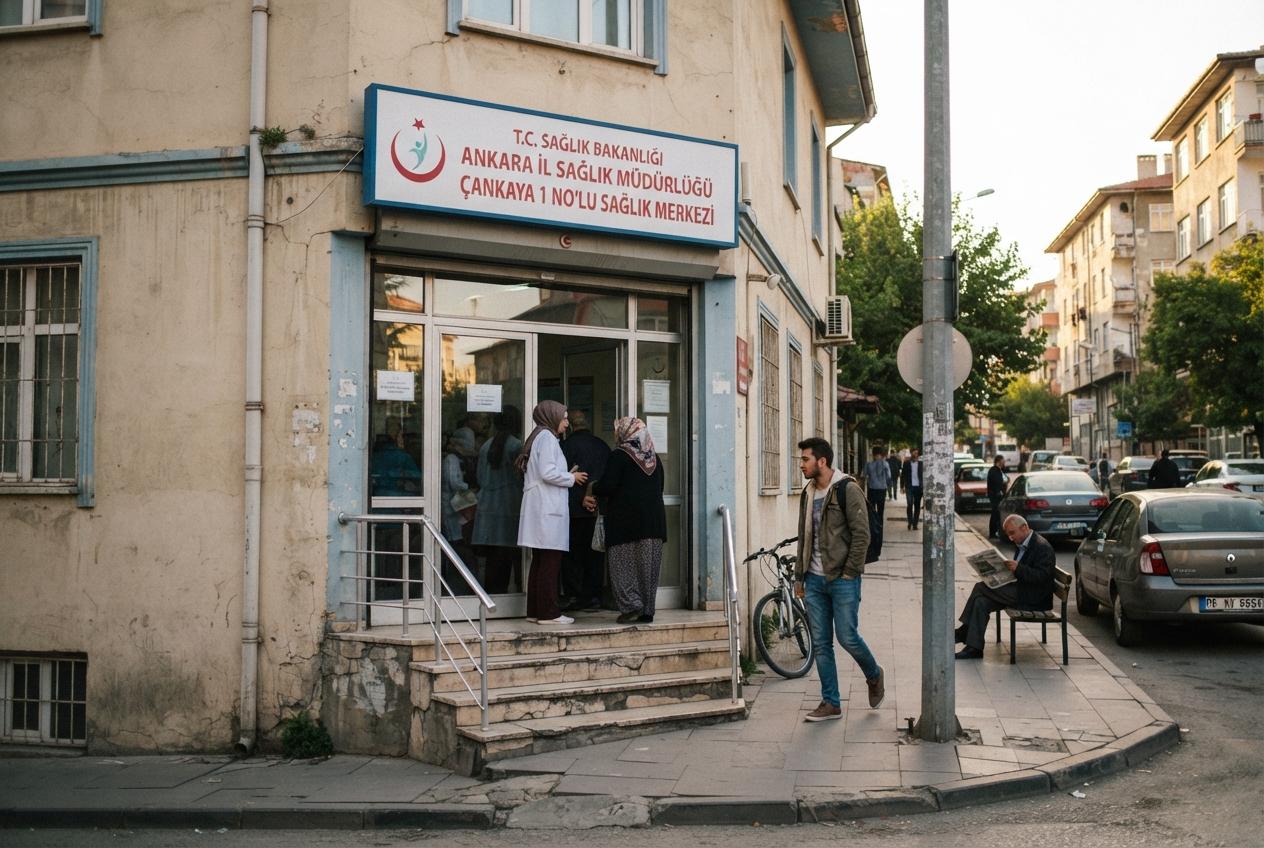
Health professionals in Turkey are warning that restrictions linked to the “Ailem Güvende” investigations could make HIV support harder to reach. The Turkish Medical Association says blocked communication channels and pressure on civil society groups risk undermining testing, treatment advice and trusted, stigma-free healthcare, especially for people already facing discrimination.
Essential Takeaways
- Medical groups are concerned: The Turkish Medical Association has criticised action against HIV and LGBT+ rights organisations.
- Access could suffer: Support groups often connect people with testing, counselling and treatment.
- Stigma remains a barrier: Fear of discrimination can discourage people from seeking care early.
- The policy tension is clear: Turkey’s HIV strategy includes reducing stigma and working with civil society.
- Restrictions affect more than one community: Professional and scientific organisations have also reportedly faced pressure.
Why HIV support groups matter beyond campaigning
The strongest warning from Turkey’s public health community is that these organisations aren't simply political campaigners. They can be a practical bridge between people and the health system, offering clear information, directing individuals towards testing and helping them understand their rights.
That role matters because HIV care depends on trust. Someone worried about judgement may be more likely to ask questions privately through a community organisation than walk straight into a clinic. According to reporting by Kaos GL, the Turkish Medical Association's Public Health Branch said these groups help people find counselling and testing while supporting those facing discrimination. [2]
There’s also a quieter, human side to the issue. A discreet conversation, a reliable explanation or help finding the right service can make the difference between seeking care now and delaying it for months.
Restrictions risk widening the gap
The association says the investigations under the “Ailem Güvende” banner have affected LGBT+ rights groups, HIV-focused organisations and, more recently, professional bodies linked to sexual health and psychiatry. Reported measures include blocked social media accounts and the detention of some organisation leaders.
That widening circle is what has alarmed health professionals. Evrensel reported that the Turkish Medical Association viewed the situation as extending beyond the rights of one particular group, raising broader questions about scientific communication, professional independence and civil society. [6]
When trusted information channels disappear, rumours tend to fill the space. For HIV, where myths and fear can be especially damaging, that isn't a minor inconvenience. It can affect whether people test, start treatment and remain connected to care.
The clash with Turkey's own HIV strategy
The criticism also points to an apparent contradiction in public policy. Turkey’s HIV/AIDS Control Programme for 2025-2030 places emphasis on equal access to diagnosis, treatment, care and support, alongside reducing stigma and reaching marginalised communities.
The TTB argues that civil society organisations help deliver precisely those aims. Haber Istiklal reported the association's concern that pressure on HIV groups conflicts with the broader public health approach, which includes accurate information, counselling, testing and cooperation with non-governmental organisations. [5]
That matters because national health programmes don't operate through hospitals alone. Community organisations often know where services are falling short and which groups are least likely to use them. Remove that local knowledge and the official response can look tidy on paper while becoming harder to reach in real life.
What stigma means for testing and treatment
HIV-related stigma can discourage people from asking for a test, disclosing concerns or returning for follow-up care. It can also make patients fear that personal information won't be treated sensitively, even when medical services are available.
The Turkish Medical Association has stressed that early diagnosis and continued treatment depend on accessible, scientifically accurate information. According to Ankara Odak, the group questioned why organisations helping people access health services should face restrictions when public health goals require more outreach, not less. [7]
For anyone seeking help, the practical lesson is straightforward: use established medical services and reputable health organisations, check information against official clinical guidance and avoid relying on social media rumours. Confidentiality, respectful treatment and evidence-based advice should be the baseline, not a luxury.
A test for public health and civic space
The TTB has called for pressure, access restrictions and measures limiting lawful organising to end, while urging that detained rights defenders’ cases be reconsidered in line with fair-trial and freedom-of-association principles. Its statement frames the issue as one involving science, democracy and public confidence as well as individual rights.
Son Dakika reported the association asking how restricting scientific information, healthcare rights and lawful civil society work could be justified as a way of protecting families. [4] It’s a pointed question, because families are also affected when people delay testing or treatment due to fear.
The wider outlook will depend on whether health authorities and civil society can continue working together. In HIV prevention, trust is not decorative; it’s part of the infrastructure.
A strong HIV response needs open information, confidential care and community trust.
Source Reference Map
Story idea inspired by: [1]
Sources by paragraph: