Viewers can now stream Feindbild Queer on ZDF, ahead of its ZDFinfo television broadcast, in a timely two-part investigation into threats, online abuse and the political forces shaping life for queer people in Germany.
Essential Takeaways
- Two-part investigation: Each episode runs for around 45 minutes and approaches the subject from a different angle.
- Available now: The documentary is streaming on ZDF, with a scheduled ZDFinfo broadcast to follow.
- Personal testimony: Activists, public figures and professionals describe discrimination, threats and public hostility.
- A changing climate: The film asks why acceptance can appear to grow while anti-queer rhetoric becomes louder.
- Broad debate: The programme explores online hate, demonstrations, politics, religion and the wider meaning of democracy.
A documentary arriving at a tense moment
The central message of Feindbild Queer is blunt: progress isn't guaranteed. The documentary follows the experiences of queer people and activists who say the atmosphere around them has become more aggressive, from abusive comments online to serious threats in real life.
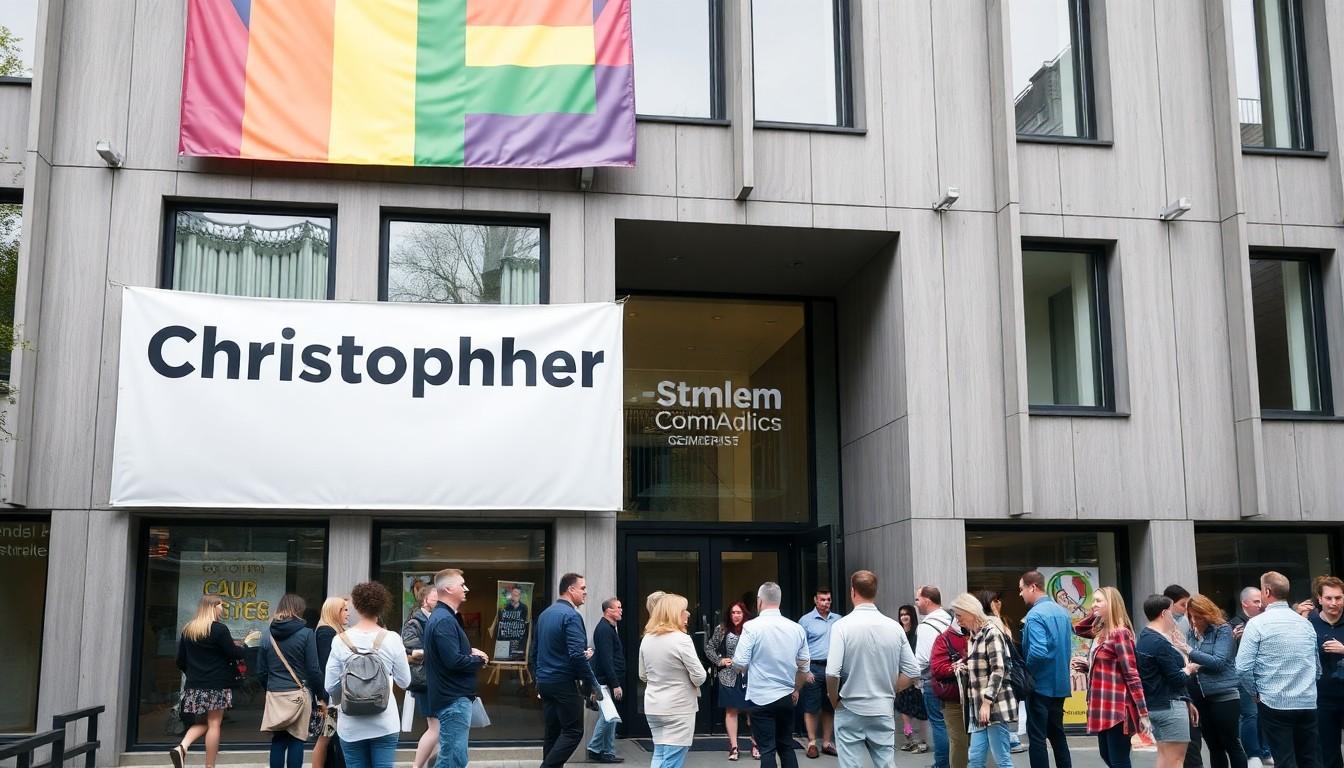
Its timing gives the project extra weight. Events surrounding a Christopher Street Day gathering in Berlin were incorporated during the final stages of production, adding a sharper political and security dimension to a film that was already examining hostility towards queer communities. ZDF's press material presents the documentary as an investigation into the origins and consequences of anti-queer sentiment.
That makes it more than a conventional profile of LGBTQ+ life. The mood is less celebratory parade and more uneasy morning after, when the music has stopped and people are asking what changed.
Two episodes, two different questions
The first instalment focuses on efforts to defend diversity and improve visibility. The second turns towards the harder question of where hatred comes from, bringing together personal accounts, political arguments and social analysis.
According to programme listings from TVinfo and Prisma, the two episodes form a single editorial package rather than unrelated films. That structure matters because it moves the viewer from lived experience to wider explanation, although the sheer number of subjects can make the film feel busy.
The line-up includes voices from within the queer community, alongside critics and commentators who challenge its arguments. Queer.de also highlights the documentary's focus on the increasingly hostile public debate, while the ZDF trailer frames the series as an examination of a society in which queer people are increasingly portrayed as a threat.
Online abuse is part of the story
Social media gives the documentary one of its most recognisable settings. Contributors describe the abuse directed at queer creators and faith leaders, where platforms intended for conversation can quickly become noisy, cruel and exhausting.
This is an important choice. Anti-queer hostility isn't confined to protest banners or parliamentary speeches; it can arrive as a notification, appear beneath a video and follow someone into their home. The documentary connects that everyday digital pressure with broader political language, showing how repeated claims about danger or cultural decline can shape public attitudes.
For viewers, the strongest sections are likely to be those that keep the human cost visible. Statistics can establish scale, but a person describing what it feels like to receive threats is harder to dismiss or scroll past.
Why representation and policy still matter
The film also considers the political changes that have made it easier for some trans and non-binary people to alter their names and gender markers. Those developments are presented alongside disputes over family policy, reproductive issues and the role of queer people in public life.
Regional reporting by Lausitzer Rundschau notes that the documentary explores the claim that queer people are being presented as a danger. That framing is significant because it shifts the argument away from isolated insults and towards the language used in political and cultural disputes.
Meanwhile, the programme doesn't pretend there is only one view. Including conservative and far-right perspectives may frustrate some viewers, but it reflects the documentary's attempt to examine the machinery of hostility rather than simply announce its conclusion. The challenge is keeping that balance without giving inflammatory ideas more oxygen than the people harmed by them.
What viewers should expect from Feindbild Queer
This isn't a light streaming watch. The subject matter includes murder threats, hate speech and terrorism, so viewers should expect disturbing testimony and an intentionally serious tone. The documentary is best approached as a snapshot of a changing debate, rather than a final verdict on queer life in Germany.
ZDF has made the episodes available online, while ZDFinfo is scheduled to show them as a television double bill. For anyone following LGBTQ+ rights, German politics or the impact of online radicalisation, it's a useful chance to compare personal experience with the louder arguments surrounding it.
The wider question lingers after the credits: if acceptance depends on constant defence, how secure was that progress in the first place?
Feindbild Queer is streaming now on ZDF and offers a timely, sobering look at the forces behind anti-queer hostility.
Source Reference Map
Story idea inspired by: [1]
Sources by paragraph: