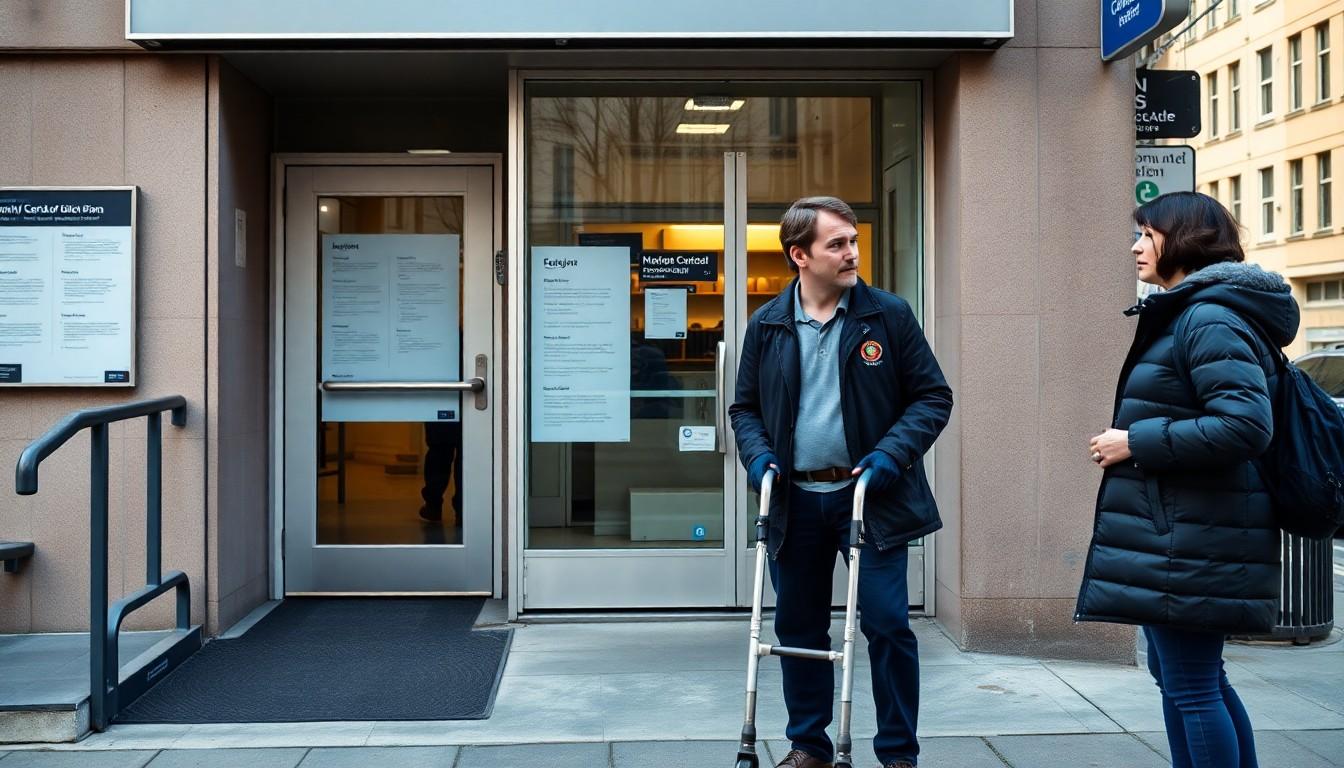
Listeners are hearing a more personal side of HIV stigma, dating and disability through a podcast conversation with survivor Brenda Emily. Her story explores rejection, criminalisation and the pressure to make other people comfortable, while the U equals U message offers a clearer, kinder path towards informed intimacy and self-confidence.
Essential Takeaways
- Personal perspective: Brenda Emily discusses dating with HIV and cerebral palsy.
- A wider stigma: HIV and herpes can attract similar fears and misinformation.
- U equals U: People with an undetectable viral load do not sexually transmit HIV.
- Legal tension: HIV criminalisation laws remain a civil-rights concern.
- The emotional lesson: Confidence can look intimidating to people who aren't ready to respect it.
Dating with HIV means navigating more than disclosure
The hardest part of dating isn't always the conversation itself. Sometimes it's the pause afterwards, the sudden change in someone's tone, or the feeling that you've become a medical question rather than a potential partner.
On Something Positive for Positive People, Brenda Emily speaks about living with HIV while also navigating cerebral palsy and modern dating. Her experience matters because it pushes back against the tidy assumptions people often make about how HIV is acquired, who lives with it and what intimacy looks like afterwards. The episode is personal, but its questions are much bigger. According to iHeart's listing, the podcast focuses on lived experiences around stigma, health and relationships.
Emily's story also makes space for rejection without treating it as proof that something is wrong with her. That's a useful distinction. Dating can be bruising for anyone, but disclosure can add a second layer of vulnerability that isn't visible in a profile picture.
U equals U changes the conversation
The U equals U campaign is central to modern HIV education. It explains that someone with a sustained undetectable viral load does not transmit HIV sexually, a message supported by public-health organisations including the North Carolina Department of Health and Human Services.
That fact doesn't erase every emotional hurdle, but it should remove much of the fear. It also shifts the responsibility for a conversation: partners deserve accurate information, not dramatic myths or outdated ideas about inevitable transmission. Sexual Being likewise presents U equals U as a way to challenge stigma and support healthier relationships.
The difference between knowledge and prejudice can be surprisingly small. One person asks a thoughtful question; another makes a snap judgement. The outcome may feel worlds apart.
Why criminalisation remains controversial
HIV criminalisation laws add a difficult legal layer to an already personal subject. In some places, people living with HIV can face prosecution for alleged non-disclosure or exposure, even where transmission was impossible or no harm occurred.
Legal Clarity notes that these laws have become a focus of civil-rights reform because they can rely on outdated medical assumptions and deepen stigma. They may also discourage testing or open conversations, which runs against the goals of public health.
The tension becomes sharper when compared with the U equals U message. Medical progress says an undetectable person poses no sexual transmission risk, while some legal frameworks can still treat HIV status as inherently threatening. That mismatch is not merely technical. It affects trust, privacy and the freedom to date without feeling watched.
HIV and herpes stigma often follow the same script
The episode also considers the overlap between HIV and herpes stigma. Although the viruses are medically different, public reactions can be oddly similar: fear arrives first, facts come later, and a diagnosis is treated as a verdict on someone's character.
That pattern can make dating feel like a test of public education. People living with either condition may find themselves explaining transmission, treatment or risk before anyone asks about personality, chemistry or whether they actually like one another.
Podchaser's programme summary places these experiences within a broader conversation about positivity and self-acceptance. The value of that approach is simple: stigma becomes easier to challenge when people are allowed to tell the full story, rather than being reduced to a diagnosis.
Confidence isn't the same as intimidation
One of the episode's most striking ideas is that empowerment can be mistaken for intimidation. Someone who knows their worth, states their boundaries and refuses shame may unsettle people who are more comfortable with silence.
That doesn't mean every negative reaction should be dismissed. It does mean the right audience matters. A potential partner who listens, learns and respects disclosure is offering something very different from someone who treats confidence as a threat.
For people dating with HIV, cerebral palsy or any other condition that attracts lazy assumptions, this is a valuable reminder: acceptance shouldn't require shrinking. The people drawn to genuine self-assurance are more likely to build relationships based on honesty rather than fear.
The podcast's wider promise is equally important. Positive stories don't pretend stigma has disappeared; they show how people keep living, dating and connecting despite it. As public-health guidance continues to reinforce U equals U, the cultural conversation has room to catch up.
Start with accurate information, listen without judgement and let confidence remain confidence.
Source Reference Map
Story idea inspired by: [1]
Sources by paragraph:
- Paragraph 1: [3], [4]
- Paragraph 2: [2], [3]
- Paragraph 3: [4], [5]
- Paragraph 4: [5], [6]
- Paragraph 5: [6], [7]
- Paragraph 6: [5], [7]
- Paragraph 7: [4], [5]
- Paragraph 8: [3], [4]
- Paragraph 9: [2], [6]
- Paragraph 10: [5], [7]
- Paragraph 11: [2], [4]
- Paragraph 12: [3], [6]
- Paragraph 13: [2], [5]
- Paragraph 14: [6], [7]
- Paragraph 15: [2], [3]
- Paragraph 16: [4], [5]
- Paragraph 17: [6], [7]
- Paragraph 18: [3], [4]