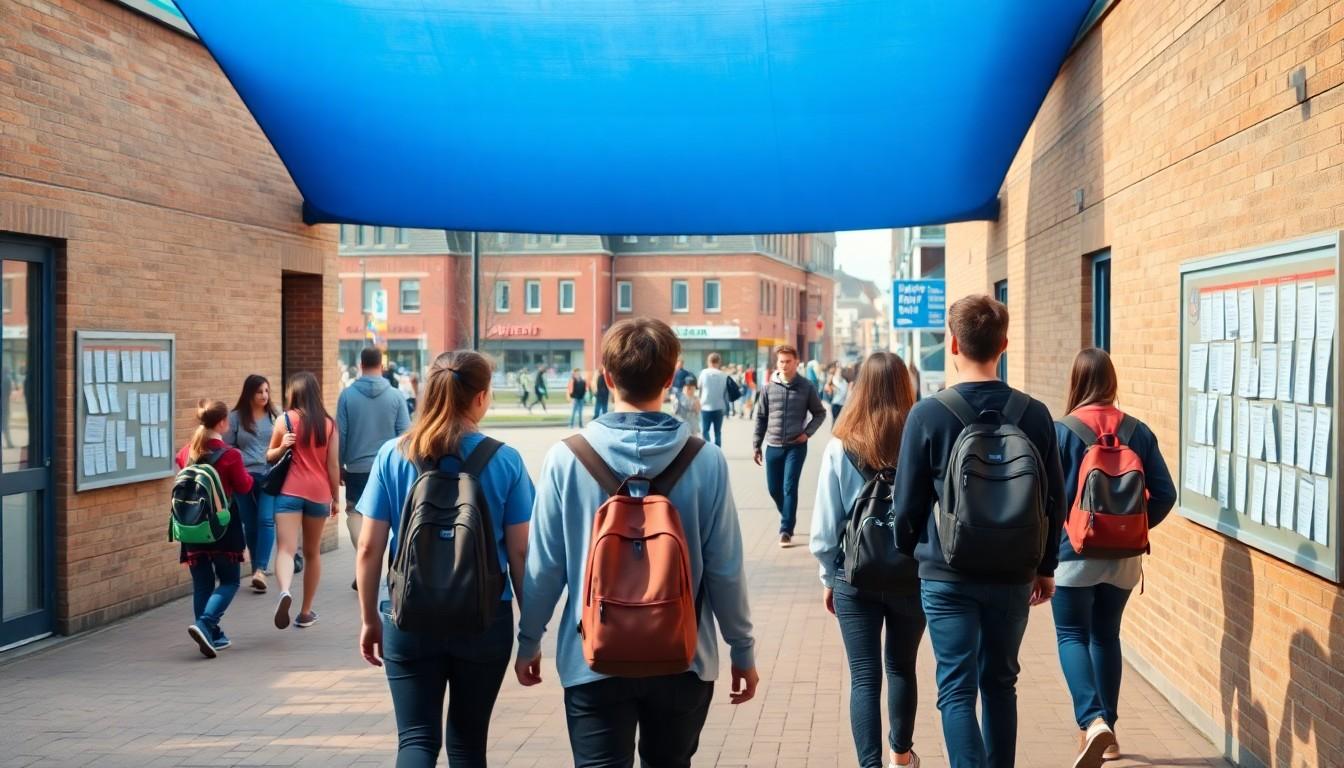
Researchers are sounding the alarm after new Dutch youth research found a marked fall in acceptance of same-sex relationships. The shift is visible across age groups, school types and backgrounds, while social media, polarised debate and hostile comments from public figures may be helping negative views spread faster.
Essential Takeaways
- Acceptance has fallen sharply: More secondary-school pupils now describe two girls kissing as “dirty” than in earlier research.
- The change is broad: Researchers report a decline among boys and girls, different school levels and young people from varied backgrounds.
- Social media matters: Negative comments from politicians, influencers and online personalities can reach large youth audiences quickly.
- Schools feel the pressure: Some schools are encountering more resistance to LGBTQ+ inclusion events and discussions.
- Support needs to widen: Researchers say schools, parents, platforms and government all have a role in rebuilding a safer climate.
A worrying shift is showing up across Dutch classrooms
The clearest message from the research is that this isn't confined to one supposedly “conservative” corner of Dutch society. Young people across the Netherlands appear to be becoming less comfortable with homosexuality, including pupils without a migration background and those studying at higher academic levels.
Researchers asked children and teenagers whether they'd want to be friends with gay boys or lesbian girls, and whether they'd find it unpleasant to see a same-sex couple kissing. The results point to a notable change in attitudes, rather than a small statistical wobble. Dutch reporting by NRC described the direction as a worrying trend, while earlier coverage highlighted the government's decision to investigate falling LGBTQ+ acceptance. (NRC; NL Times)
One particularly striking comparison concerns girls kissing. In 2021, 18.5 per cent of secondary pupils said they'd find that “dirty”; in the latest results, the figure has risen to 40 per cent. That doesn't automatically predict hostile behaviour, but it does suggest that negative attitudes are becoming more visible and more socially acceptable. (NRC; NL Times)
Why social media is part of the conversation
Young people aren't forming opinions in a vacuum. Clips of politicians, influencers and figures associated with the online “manosphere” can travel rapidly, often stripped of context and pushed towards users who are already watching similar material.
That doesn't mean every teenager who sees an offensive post will adopt its message. But repeated exposure can make harsh language feel ordinary, especially when it comes wrapped in humour, outrage or the confidence of a popular creator. Coverage from Dutch media has linked the debate around declining acceptance with increasingly confrontational public discussion. (NRC; NL Times)
The wider research picture is also more complicated than a simple national swing in one direction. University of Amsterdam reporting on Dutch youth found varied views across LGBTIQ+ issues, while other coverage suggested that acceptance of homosexuality itself may not move in exactly the same way as attitudes towards broader LGBTIQA+ groups. In other words, the trend needs careful reading, not a single sweeping label. (University of Amsterdam; NL Times)
Schools are seeing the impact beyond the survey
A questionnaire about kissing doesn't measure bullying, abuse or discriminatory behaviour directly. Still, it captures something important: whether young people see same-sex relationships as normal, uncomfortable or unacceptable.
Teachers and school leaders are also reporting more resistance around LGBTQ+ inclusion activities, including Purple Friday. That matters because a school can be legally inclusive on paper while pupils still feel unable to be open about who they are. Fewer than half of surveyed secondary pupils believed gay or lesbian classmates could be open about their sexuality at school in 2025. (NRC; NL Times)
For schools, the practical answer isn't simply another poster or one annual event. Clear anti-bullying policies, trusted staff, age-appropriate teaching and a reliable way to report concerns all matter. Inclusion works best when it's part of everyday school life, rather than something brought out for a single themed day.
What parents and platforms can do now
Parents don't need to become social-media detectives, but they can ask ordinary questions: What videos have you been seeing? Why do you think that creator said it? How would that comment feel if it were aimed at someone in your class?
That kind of conversation helps children separate popularity from credibility. It also gives parents a chance to challenge prejudice without turning every discussion into a lecture. The researchers cited in Dutch coverage argue that families, schools and policymakers all have responsibilities, including considering stronger protections for children online. (NRC; NL Times)
Platforms have a role too. Recommendation systems can amplify provocative material because outrage keeps people watching, so moderation and age protections aren't minor technical details. They shape the environment in which young people learn what is supposedly normal. The research and related reporting suggest that reducing harm will require more than asking teenagers to scroll past it. (NL Times; University of Amsterdam)
Acceptance won't simply bounce back on its own
It can be tempting to treat teenage attitudes as a temporary phase. Some young people become more open-minded with age, friendships and experience. But researchers warn that a decline this broad shouldn't be expected to correct itself without action.
There are still reasons for care rather than despair. The findings open a conversation about what children are seeing, what schools need and how public figures use their reach. The human test is straightforward: can a young person walk into school, talk about whom they love and feel safe doing so? That shouldn't be a radical expectation.
Small conversations matter, but so do visible standards from adults and institutions. If online hostility is becoming louder, a clear, consistent defence of dignity needs to become louder too.
It's a small daily choice for adults, but it can help make acceptance feel normal again.
Source Reference Map
Story idea inspired by: [1]
Sources by paragraph:
- Paragraph 1: [2], [6]
- Paragraph 2: [2], [4]
- Paragraph 3: [5], [6]
- Paragraph 4: [3], [4]
- Paragraph 5: [6], [7]
- Paragraph 6: [5], [7]
- Paragraph 7: [2], [6]
- Paragraph 8: [3], [4]
- Paragraph 9: [6], [7]
- Paragraph 10: [2], [3]
- Paragraph 11: [5], [6]
- Paragraph 12: [3], [4]
- Paragraph 13: [2], [6]
- Paragraph 14: [5], [7]
- Paragraph 15: [3], [6]
- Paragraph 16: [2], [4]